Hey there! I'm a supplier of Cationic Emulsifiers, and today I want to chat about how these nifty little substances affect the freezing and thawing stability of emulsions. It's a topic that might not sound super exciting at first, but trust me, it's pretty important, especially if you're in industries like road construction or coatings.
First off, let's quickly go over what an emulsion is. An emulsion is basically a mixture of two immiscible liquids, like oil and water. One liquid is dispersed in the other in the form of tiny droplets. And that's where emulsifiers come in. They help keep those droplets from clumping together and separating. Cationic emulsifiers, in particular, have a positive charge, which gives them some unique properties compared to other types of emulsifiers.
Now, when it comes to freezing and thawing stability, it's all about how an emulsion holds up when it goes through cycles of freezing and then thawing. This is a big deal in real - world applications. For example, in cold climates, emulsified asphalt used for road construction can be exposed to freezing temperatures at night and then thaw during the day. If the emulsion isn't stable under these conditions, it can break down, and that's a major headache.
So, how do cationic emulsifiers impact this stability? Well, one of the key ways is through their interaction with the droplets in the emulsion. The positive charge of cationic emulsifiers allows them to form a protective layer around the droplets. This layer acts like a shield, preventing the droplets from getting too close to each other and coalescing during the freezing and thawing process.
When an emulsion freezes, the water in it turns into ice. As ice forms, it can push the droplets closer together, increasing the risk of coalescence. But the cationic emulsifier's protective layer helps to counteract this. It keeps the droplets at a safe distance, even when the ice is squeezing them.
Another factor is the effect of cationic emulsifiers on the viscosity of the emulsion. They can increase the viscosity to some extent. A more viscous emulsion is generally more resistant to droplet movement. During freezing and thawing, less movement means less chance of the droplets colliding and merging.
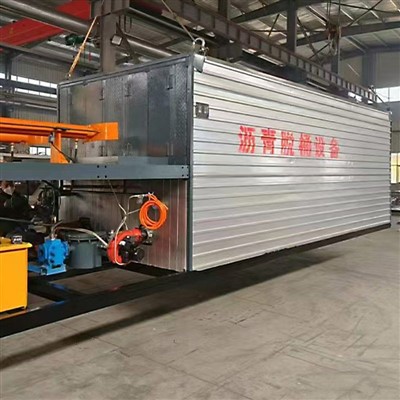
Let's take a look at some real - world examples. In the road construction industry, Asphalt Emulsifier is often used to create Emulsified Asphalt Liquid. Cationic emulsifiers play a crucial role here. They help the emulsified asphalt maintain its stability during the harsh winter months. If the emulsion breaks down, it can lead to poor road quality, potholes, and expensive repairs.
In the coatings industry, emulsions are used to create paints and varnishes. Freezing and thawing can also affect the quality of these products. Cationic emulsifiers ensure that the droplets in the coating emulsion stay well - dispersed, so the final product has a smooth and even finish.
But it's not all smooth sailing. There are some challenges when using cationic emulsifiers for freezing and thawing stability. For instance, the concentration of the emulsifier matters. If there's too little, the protective layer might not be strong enough. On the other hand, if there's too much, it can cause other issues, like increased viscosity to the point where the emulsion becomes difficult to work with.
The type of oil or other dispersed phase in the emulsion also plays a role. Different oils have different properties, and the cationic emulsifier needs to be compatible with them. Some oils might interact more favorably with the emulsifier, leading to better freezing and thawing stability.
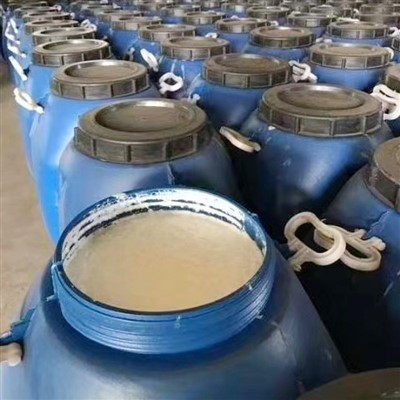
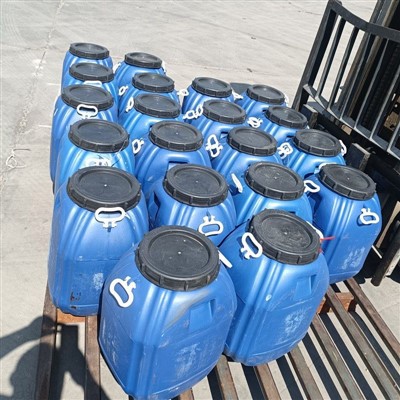
Now, if you're in an industry that uses emulsions and you're dealing with freezing and thawing issues, you might be interested in our Cationic Emulsifier. We've spent a lot of time researching and developing our products to ensure they offer the best possible freezing and thawing stability.


Our cationic emulsifiers are formulated to work well with a wide range of oils and other dispersed phases. They form a strong protective layer around the droplets, and they can be adjusted to the right concentration for your specific application. Whether you're in road construction, coatings, or any other industry that relies on stable emulsions, we've got you covered.
If you're looking for a reliable solution to improve the freezing and thawing stability of your emulsions, don't hesitate to get in touch. We're here to answer your questions, provide samples, and help you find the perfect cationic emulsifier for your needs.
In conclusion, cationic emulsifiers have a significant impact on the freezing and thawing stability of emulsions. They work by forming a protective layer around the droplets and influencing the viscosity of the emulsion. While there are some challenges, with the right product and application, they can be a game - changer for industries that rely on stable emulsions. So, if you're facing freezing and thawing issues with your emulsions, give our cationic emulsifiers a try.
References
- McClements, D. J. (2015). Food Emulsions: Principles, Practice, and Techniques. CRC Press.
- Becher, P. (1965). Emulsions: Theory and Practice. Reinhold Publishing Corporation.