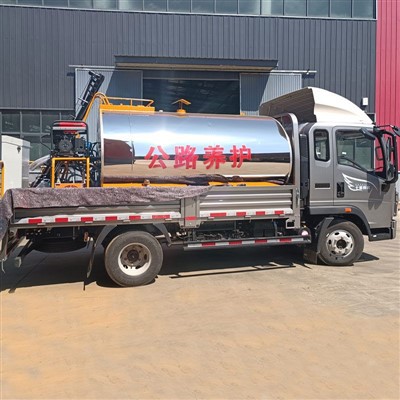
Maintaining an emulsion asphalt plant in optimal condition is crucial for ensuring high - quality asphalt production and the longevity of the equipment. As a trusted supplier of emulsion asphalt plants, I understand the importance of proper cleaning procedures. In this blog, I will share comprehensive guidelines on how to clean an emulsion asphalt plant effectively.
Pre - cleaning Preparations
Before starting the cleaning process, it is essential to take some preparatory steps. First, ensure that all operations of the plant are stopped. This includes shutting down all pumps, mixers, and heating systems. Disconnect the power supply to prevent any accidental start - up during the cleaning process.
Next, gather all the necessary cleaning tools and materials. These may include high - pressure water hoses, brushes of different sizes (stiff - bristle and soft - bristle), cleaning agents suitable for asphalt and related residues, and safety equipment such as gloves, goggles, and protective clothing.
Cleaning the Storage Tanks
The storage tanks in an emulsion asphalt plant are used to hold the bitumen, water, and additives. Over time, residues can accumulate on the tank walls and floors, which may affect the quality of the emulsion.
Draining the Tanks
Start by draining the remaining emulsion or liquid from the tanks. Use a suitable drainage system to transfer the liquid to a designated storage area. Make sure to follow all safety and environmental regulations during the draining process.
Rinsing the Tanks
After draining, rinse the tanks with water. A high - pressure water hose can be used to remove loose debris and residues from the tank walls and floors. For stubborn residues, a cleaning agent can be added to the water. Allow the cleaning solution to soak in the tank for a certain period to loosen the hardened asphalt.
Scrubbing the Tanks
Use stiff - bristle brushes to scrub the tank walls and floors thoroughly. Pay special attention to corners and edges where residues are more likely to accumulate. After scrubbing, rinse the tanks again with clean water to remove all traces of the cleaning agent and residues.
Cleaning the Mixing Equipment
The mixing equipment is where the bitumen, water, and additives are combined to form the emulsion. Keeping this equipment clean is vital for consistent and high - quality emulsion production.
Disassembling the Mixing Components
If possible, disassemble the mixing components such as impellers, shafts, and baffles. This allows for a more thorough cleaning. Carefully remove any bolts or fasteners and keep them in a safe place.
Cleaning the Components
Soak the disassembled components in a cleaning solution. Use soft - bristle brushes to clean the surfaces of the components, being careful not to damage them. For hard - to - reach areas, small brushes or toothbrushes can be used. After cleaning, rinse the components with clean water and dry them thoroughly before reassembly.
Cleaning the Mixing Chamber
Use a high - pressure water hose to clean the inside of the mixing chamber. Scrub the chamber walls with brushes to remove any residues. If there are any heating elements in the chamber, clean them carefully to ensure proper heat transfer.
Cleaning the Piping System
The piping system in an emulsion asphalt plant is responsible for transporting the bitumen, water, and emulsion. Clogged pipes can lead to reduced flow rates and production inefficiencies.
Flushing the Pipes
Start by flushing the pipes with water. Use a high - pressure water source to force the water through the pipes. This can help remove loose debris and residues. For pipes with more stubborn blockages, a cleaning agent can be added to the water.
Using Pipe Cleaners
In some cases, pipe cleaners or snakes can be used to physically remove blockages. Insert the pipe cleaner into the pipe and move it back and forth to break up the blockage. Be careful not to damage the pipes during this process.
Inspecting the Pipes
After cleaning, inspect the pipes for any signs of damage or wear. Check for leaks, cracks, or corrosion. Replace any damaged pipes or fittings to ensure the integrity of the piping system.


Cleaning the Heating System
The heating system in an emulsion asphalt plant is used to maintain the proper temperature of the bitumen and emulsion. A dirty heating system can lead to inefficient heating and increased energy consumption.
Cleaning the Heat Exchangers
If the plant has heat exchangers, clean them regularly. Use a cleaning solution to remove any scale or deposits on the heat exchanger surfaces. A high - pressure water hose can be used to rinse the heat exchangers after cleaning.
Inspecting the Burners
Inspect the burners for any blockages or damage. Clean the burner nozzles to ensure proper fuel atomization. Check the ignition system and adjust it if necessary.
Safety Considerations
Throughout the cleaning process, safety should be the top priority. Always wear appropriate safety equipment such as gloves, goggles, and protective clothing. When using cleaning agents, follow the manufacturer's instructions carefully. Ensure proper ventilation in the cleaning area to prevent the inhalation of harmful fumes.
Regular Maintenance and Cleaning Schedule
To keep the emulsion asphalt plant in top condition, it is recommended to establish a regular maintenance and cleaning schedule. This can include daily, weekly, monthly, and annual cleaning tasks. Regular inspections can also help identify potential problems before they become major issues.
Conclusion
Proper cleaning of an emulsion asphalt plant is essential for its efficient operation and the production of high - quality asphalt emulsion. By following the steps outlined in this blog, you can ensure that your plant remains in optimal condition. If you are in the market for Emulsion Bitumen Equipment, Asphalt Emulsion Equipment, or Bitumen Emulsion Equipment, we are here to provide you with the best solutions. Our team of experts can offer guidance on equipment selection, installation, and maintenance. Contact us to start a procurement discussion and take your asphalt production to the next level.
References
- "Maintenance and Cleaning of Asphalt Plants" - Industry Best Practices Handbook
- Manufacturer's manuals for emulsion asphalt plant equipment