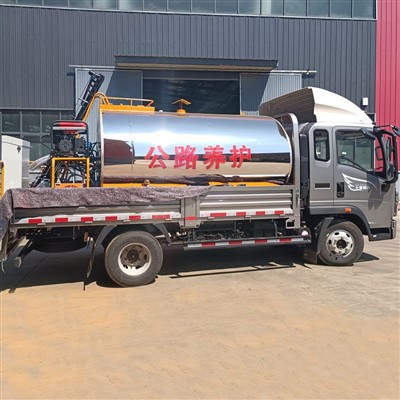
As a supplier of Asphalt Distributor Trucks, I've encountered numerous inquiries about the cooling system of these specialized vehicles. The cooling system in an Asphalt Distributor Truck is a crucial component that ensures the smooth operation of the truck and the quality of the asphalt distribution process. In this blog post, I'll delve into what the cooling system of an Asphalt Distributor Truck is, how it works, and why it's so important.


Understanding the Basics of an Asphalt Distributor Truck
Before we dive into the cooling system, let's briefly understand what an Asphalt Distributor Truck is. An Asphalt Distributor Truck is designed to transport and distribute asphalt evenly on road surfaces during construction projects. There are different types of asphalt distributor trucks available, such as the Standard Asphalt Distributor, Asphalt Distributor Tank, and Intelligent Asphalt Distributor Truck. Each type has its own unique features and capabilities, but they all rely on a well - functioning cooling system.
The Role of the Cooling System
The primary role of the cooling system in an Asphalt Distributor Truck is to regulate the temperature of the engine and other critical components. Asphalt is typically stored and transported at high temperatures, often around 150 - 180 degrees Celsius. The heat from the asphalt can transfer to the truck's engine and other parts, causing them to overheat. Overheating can lead to a variety of problems, including reduced engine performance, increased wear and tear on components, and even engine failure.
The cooling system helps to dissipate the excess heat generated by the engine and the asphalt. It ensures that the engine operates within its optimal temperature range, which is essential for efficient fuel combustion, smooth operation, and long - term reliability.
Components of the Cooling System
- Radiator: The radiator is one of the most important components of the cooling system. It is a heat exchanger that transfers heat from the coolant to the surrounding air. The coolant, usually a mixture of water and antifreeze, circulates through the engine, absorbing heat as it goes. It then flows into the radiator, where it passes through a series of small tubes. As air passes over these tubes, the heat is transferred from the coolant to the air, and the cooled coolant is then recirculated back to the engine.
- Water Pump: The water pump is responsible for circulating the coolant throughout the cooling system. It is typically driven by the engine's crankshaft via a belt or chain. The water pump creates the necessary pressure to move the coolant from the radiator to the engine and back again.
- Thermostat: The thermostat acts as a valve that regulates the flow of coolant between the engine and the radiator. When the engine is cold, the thermostat remains closed, allowing the coolant to circulate only within the engine to help it warm up quickly. Once the engine reaches its optimal operating temperature, the thermostat opens, allowing the coolant to flow through the radiator for cooling.
- Coolant Hoses: Coolant hoses are used to connect the various components of the cooling system, such as the radiator, water pump, and engine. They are made of flexible rubber or synthetic materials that can withstand the high temperatures and pressures of the coolant.
- Fan: The fan helps to increase the airflow through the radiator, especially when the truck is moving at low speeds or is stationary. There are two types of fans commonly used in Asphalt Distributor Trucks: mechanical fans, which are driven by the engine, and electric fans, which are controlled by a temperature sensor.
How the Cooling System Works
The cooling system works in a continuous cycle to maintain the engine's temperature. Here's a step - by - step breakdown of the process:
- Heat Absorption: As the engine runs, it generates a significant amount of heat. The coolant, which is circulated by the water pump, flows through the engine block and cylinder head, absorbing heat from the engine components.
- Coolant Flow to the Radiator: Once the coolant has absorbed the heat, it flows through the coolant hoses to the radiator. The thermostat, which monitors the coolant temperature, opens when the temperature reaches a certain level, allowing the coolant to enter the radiator.
- Heat Dissipation: Inside the radiator, the hot coolant passes through a network of tubes. As air flows over these tubes, either naturally or with the help of the fan, the heat is transferred from the coolant to the air. This cools down the coolant.
- Recirculation: The cooled coolant then flows back to the engine through the coolant hoses, and the cycle repeats.
Importance of a Well - Maintained Cooling System
A well - maintained cooling system is essential for the proper functioning of an Asphalt Distributor Truck. Here are some reasons why:
- Engine Performance: An overheated engine can experience a loss of power and efficiency. The cooling system helps to keep the engine at its optimal temperature, ensuring that it operates smoothly and delivers the necessary power for the truck to perform its tasks.
- Component Longevity: High temperatures can cause premature wear and tear on engine components, such as pistons, valves, and gaskets. By regulating the temperature, the cooling system helps to extend the lifespan of these components, reducing the need for costly repairs and replacements.
- Asphalt Quality: Maintaining the right temperature is also important for the quality of the asphalt. If the truck's components overheat, it can affect the temperature of the asphalt, leading to inconsistent distribution and a lower - quality road surface.
Maintenance Tips for the Cooling System
To ensure the proper functioning of the cooling system, regular maintenance is required. Here are some tips:
- Check the Coolant Level: Regularly check the coolant level in the radiator and the coolant reservoir. If the level is low, add the appropriate coolant mixture.
- Inspect the Hoses and Belts: Look for signs of wear, cracks, or leaks in the coolant hoses and the belts that drive the water pump and the fan. Replace any damaged components immediately.
- Flush the Cooling System: Over time, the coolant can become contaminated with dirt, rust, and other debris. Flushing the cooling system at regular intervals helps to remove these contaminants and maintain the efficiency of the system.
- Test the Thermostat: A faulty thermostat can cause the engine to overheat or run too cold. Have the thermostat tested periodically to ensure that it is functioning properly.
Conclusion
The cooling system of an Asphalt Distributor Truck is a complex and vital part of the vehicle. It plays a crucial role in maintaining the engine's temperature, ensuring optimal performance, and prolonging the lifespan of the truck's components. As a supplier of Asphalt Distributor Trucks, we understand the importance of a reliable cooling system and are committed to providing high - quality trucks with efficient cooling solutions.
If you're in the market for an Asphalt Distributor Truck or have any questions about our products, we encourage you to contact us for a detailed discussion. Our team of experts is ready to assist you in finding the right truck for your specific needs and to provide you with all the information you need to make an informed decision.
References
- Automotive Cooling System Basics, Society of Automotive Engineers
- Handbook of Heavy - Duty Vehicle Systems, McGraw - Hill Education