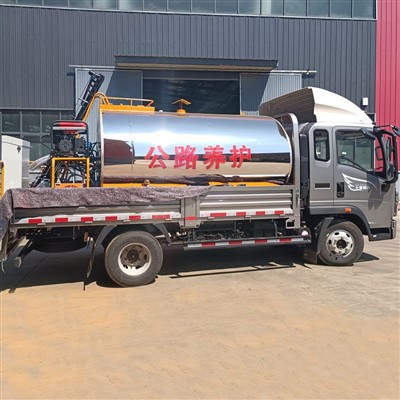
What materials are used to make an Asphalt Distributor Tank?
Hey there! I'm a supplier of Asphalt Distributor Tanks, and I'm super stoked to chat with you about the materials that go into making these bad boys. Asphalt distributor tanks are crucial in road construction and maintenance, helping to evenly distribute asphalt on roads, ensuring a smooth and durable surface. So, let's dive right in and explore the materials that make these tanks tick.
Steel
Steel is hands - down the most commonly used material for asphalt distributor tanks. It's tough as nails and can withstand the high temperatures of hot - asphalt storage. There are different types of steel that can be used, but carbon steel is a popular choice. It's relatively inexpensive and has good strength.
Carbon steel can handle the weight of the asphalt and the stresses that come with transportation and operation. However, it does have a bit of a drawback - it's prone to rust. That's why many manufacturers coat carbon steel tanks with a protective layer. This can be a paint coating or a more advanced corrosion - resistant coating. For example, epoxy coatings are often used because they create a barrier between the steel and the elements, preventing rust from forming.
Stainless steel is another option. It's more expensive than carbon steel, but it offers excellent corrosion resistance. This means that stainless - steel tanks require less maintenance over their lifespan. They can be a great choice for areas with high humidity or where the tank will be exposed to harsh chemicals. The chromium in stainless steel forms a passive oxide layer on the surface, which protects the metal from corrosion.
Aluminum
Aluminum is also used in the construction of asphalt distributor tanks. One of the biggest advantages of aluminum is its lightweight nature. Compared to steel, an aluminum tank can significantly reduce the overall weight of the asphalt distributor vehicle. This can lead to better fuel efficiency, which is a major plus, especially for companies that operate a large fleet of these vehicles.

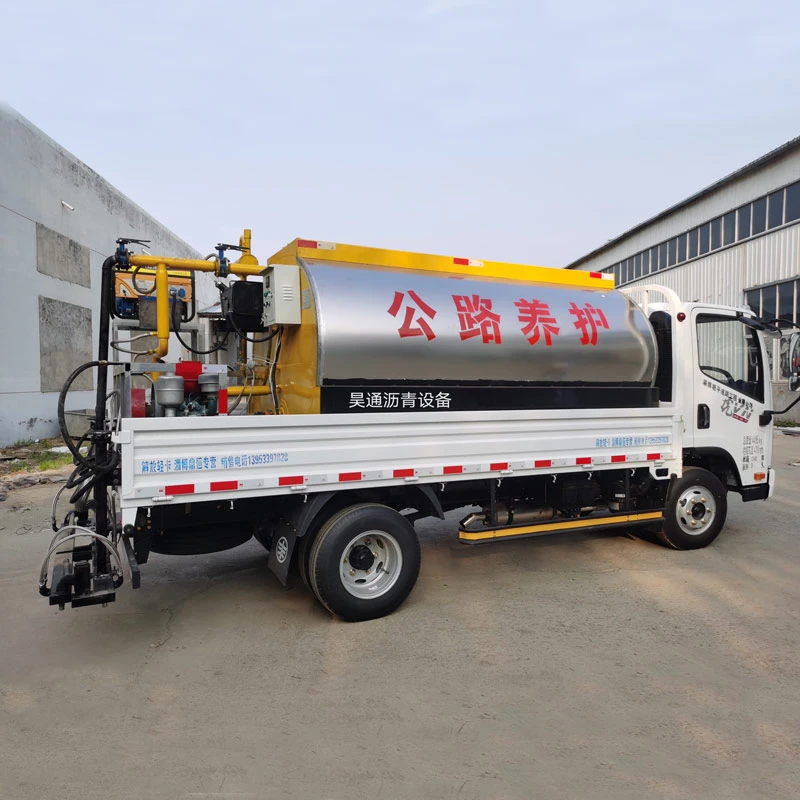
Aluminum is also highly resistant to corrosion. It forms a natural oxide layer on its surface when exposed to air, which protects it from rust and other forms of corrosion. However, aluminum has a lower melting point than steel. So, when using aluminum for an asphalt distributor tank, it's important to make sure that the tank is properly insulated to prevent the asphalt's high temperature from causing any structural issues.
Fiberglass
Fiberglass is a composite material that's becoming more popular in the construction of asphalt distributor tanks. It's made by combining glass fibers with a resin matrix. Fiberglass tanks are non - metallic, which means they're resistant to corrosion from chemicals, including asphalt and any additives that might be mixed with it.
They're also lightweight, similar to aluminum tanks. This makes them easier to transport and install. Fiberglass has good insulation properties, which helps to keep the asphalt at the right temperature. Additionally, fiberglass tanks can be molded into various shapes, allowing for more flexibility in the design of the asphalt distributor.
Insulation Materials
No matter what the tank is made of, insulation is a key component. Insulation helps to maintain the temperature of the asphalt inside the tank. Asphalt needs to be kept at a certain temperature to remain in a liquid state and be properly distributed.
Common insulation materials include fiberglass insulation. It's inexpensive and has good thermal insulation properties. Mineral wool is another option. It's made from natural or synthetic minerals and offers excellent heat resistance. Polyurethane foam is also used. It has a high R - value, which means it's very effective at preventing heat transfer. This type of insulation can be sprayed onto the tank, providing a seamless and efficient insulation layer.
Linings
Linings are used inside the tank to protect the inner surface from the corrosive effects of asphalt. Epoxy linings are a popular choice. They form a hard, smooth surface that resists adhesion of asphalt and is easy to clean. Rubber linings are also used in some cases. They can absorb vibrations and provide a flexible barrier between the asphalt and the tank wall.
Different Types of Asphalt Distributors
Now, if you're in the market for an asphalt distributor, we offer a variety of options. Check out our Standard Asphalt Distributor, which is a reliable and cost - effective choice for many road construction projects. If you're looking for something more high - tech, our Intelligent Asphalt Distributor Truck and Intelligent Asphalt Distributor are equipped with advanced features to ensure precise asphalt distribution.
Conclusion
As you can see, there are several materials that go into making an asphalt distributor tank. Each material has its own advantages and disadvantages, and the choice of material depends on factors like cost, durability, weight, and the specific requirements of the project. Whether you need a tank made of steel, aluminum, fiberglass, or a combination of materials, we've got you covered.
If you're interested in purchasing an asphalt distributor tank or have any questions about the materials and features, don't hesitate to reach out. We're here to help you find the perfect solution for your road construction and maintenance needs. Let's start a conversation and see how we can work together to get your projects rolling!
References
- "Materials for Industrial Tanks" - Industrial Tank Handbook
- "Asphalt Distributor Technology" - Road Construction Journal
- "Corrosion Resistance in Tank Materials" - Materials Science Review