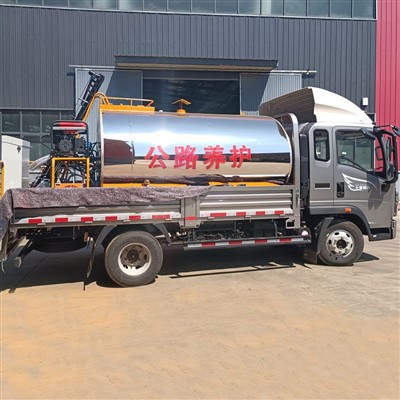
As a reputable supplier of Rubber Asphalt Plant, I understand the critical importance of ensuring the safety of rubber asphalt storage. Rubber asphalt, a blend of asphalt binder and crumb rubber, offers numerous benefits such as improved pavement performance, reduced noise, and enhanced durability. However, improper storage can lead to a variety of issues, including degradation of the rubber asphalt properties, safety hazards, and environmental concerns. In this blog post, I will delve into the key measures that a Rubber Asphalt Plant employs to guarantee the safety of rubber asphalt storage.
Temperature Control
One of the most crucial factors in rubber asphalt storage is temperature control. Rubber asphalt is typically stored at elevated temperatures to maintain its fluidity and prevent the rubber particles from settling. However, excessive temperatures can cause the rubber to degrade, leading to a loss of performance and potential safety risks. Therefore, it is essential to maintain the storage temperature within a specific range.
Most Rubber Asphalt Plants use insulated storage tanks equipped with heating systems to regulate the temperature. These heating systems can be either direct-fired or indirect-fired, depending on the plant's design and requirements. Direct-fired systems heat the asphalt directly using a burner, while indirect-fired systems use a heat transfer fluid to transfer heat to the asphalt. Both types of systems are effective in maintaining the desired temperature, but indirect-fired systems are generally considered safer and more energy-efficient.
In addition to heating systems, Rubber Asphalt Plants also use temperature sensors to monitor the temperature of the rubber asphalt in the storage tanks. These sensors are connected to a control system that can automatically adjust the heating system to maintain the temperature within the specified range. Regular temperature checks are also conducted manually to ensure the accuracy of the sensors and the effectiveness of the temperature control system.
Mixing and Agitation
Another important aspect of rubber asphalt storage is mixing and agitation. Rubber asphalt is a suspension of rubber particles in an asphalt binder, and over time, the rubber particles can settle to the bottom of the storage tank. This can lead to uneven distribution of the rubber in the asphalt, resulting in inconsistent performance and potential safety issues.
To prevent rubber particle settling, Rubber Asphalt Plants use mixing and agitation systems in the storage tanks. These systems can be either mechanical or hydraulic and are designed to keep the rubber asphalt in constant motion. Mechanical mixing systems typically use paddles or impellers to stir the asphalt, while hydraulic mixing systems use pumps to circulate the asphalt within the tank.
In addition to continuous mixing, Rubber Asphalt Plants also conduct periodic batch mixing to ensure the homogeneity of the rubber asphalt. Batch mixing involves transferring a portion of the rubber asphalt from the storage tank to a mixing vessel, where it is thoroughly mixed before being returned to the storage tank. This process helps to break up any clumps of rubber particles and ensure that the rubber is evenly distributed throughout the asphalt.
Storage Tank Design and Maintenance
The design and maintenance of the storage tanks are also critical for the safety of rubber asphalt storage. Storage tanks should be designed to withstand the high temperatures and pressures associated with rubber asphalt storage and should be constructed from materials that are resistant to corrosion and degradation.
Most Rubber Asphalt Plants use stainless steel or carbon steel storage tanks, which are coated with a protective lining to prevent corrosion. The tanks are also equipped with safety features such as pressure relief valves, level sensors, and overflow protection devices to prevent overpressure and spillage.
Regular maintenance of the storage tanks is essential to ensure their continued safe operation. This includes inspecting the tanks for signs of corrosion, leaks, or damage, and performing any necessary repairs or replacements. The tanks should also be cleaned periodically to remove any accumulated sediment or debris, which can affect the quality of the rubber asphalt and pose a safety hazard.
Safety Protocols and Training
In addition to the technical measures described above, Rubber Asphalt Plants also implement comprehensive safety protocols and training programs to ensure the safety of their employees and the surrounding environment. These protocols cover all aspects of rubber asphalt storage, including handling, transfer, and emergency response.
Employees are trained on the proper use of the storage equipment, including the heating systems, mixing systems, and safety devices. They are also trained on the potential hazards associated with rubber asphalt storage, such as fire, explosion, and chemical exposure, and are taught how to prevent and respond to these hazards.
Regular safety drills are conducted to ensure that employees are familiar with the emergency response procedures and can respond quickly and effectively in the event of an accident. The safety protocols also include measures to prevent unauthorized access to the storage area and to ensure the security of the rubber asphalt.
Quality Control
Quality control is an integral part of rubber asphalt storage safety. Rubber Asphalt Plants conduct regular quality tests on the rubber asphalt to ensure that it meets the specified standards and requirements. These tests include viscosity, penetration, softening point, and rubber content analysis.
By monitoring the quality of the rubber asphalt during storage, the plant can detect any potential issues early and take corrective action to prevent further degradation. Quality control also helps to ensure that the rubber asphalt is suitable for use in the intended applications and that it will perform as expected.
Environmental Considerations
Rubber asphalt storage also has environmental implications, and Rubber Asphalt Plants are required to comply with strict environmental regulations. This includes preventing spills and leaks, controlling emissions, and properly disposing of any waste materials.
To prevent spills and leaks, the storage tanks are equipped with secondary containment systems, such as dikes or berms, to contain any spilled asphalt. The plant also has procedures in place for cleaning up spills quickly and safely to minimize the environmental impact.
Emissions from the storage tanks, such as volatile organic compounds (VOCs) and greenhouse gases, are also controlled through the use of emission control systems. These systems can include vapor recovery units, scrubbers, and filters, which are designed to capture and treat the emissions before they are released into the atmosphere.
Waste materials generated during rubber asphalt storage, such as sediment and debris from tank cleaning, are properly disposed of in accordance with environmental regulations. This may involve recycling the materials or sending them to a licensed waste disposal facility.


Conclusion
Ensuring the safety of rubber asphalt storage is a complex and multifaceted process that requires a combination of technical measures, safety protocols, and quality control. As a supplier of Rubber Asphalt Plant, we are committed to providing our customers with high-quality equipment and solutions that meet the highest safety and environmental standards.
By implementing the measures described in this blog post, Rubber Asphalt Plants can minimize the risks associated with rubber asphalt storage and ensure the quality and performance of the rubber asphalt. If you are interested in learning more about our Rubber Asphalt Plant or our other Rubber Modified Asphalt Equipment and Rubber Colored Asphalt Equipment, please feel free to contact us to discuss your specific requirements and explore potential procurement opportunities.
References
- Asphalt Institute. (2019). Rubberized Asphalt Pavements: A Primer.
- Federal Highway Administration. (2018). Guide for the Use of Recycled Tire Rubber in Asphalt Paving.
- National Asphalt Pavement Association. (2020). Best Practices for Rubberized Asphalt Pavements.