Hey there! As a supplier of Rubber Asphalt Plant, I've been in the game for quite a while. One of the most common questions I get from customers is how to ensure the quality of recycled rubber in a rubber asphalt plant. Well, I'm here to share some tips and tricks that I've picked up over the years.
First off, let's talk about why the quality of recycled rubber matters. When you're using recycled rubber in a rubber asphalt plant, you're looking to improve the performance and durability of the asphalt. High - quality recycled rubber can enhance the elasticity, skid resistance, and temperature stability of the asphalt. On the other hand, low - quality recycled rubber can lead to issues like premature cracking, poor adhesion, and reduced overall performance of the asphalt.
1. Source Selection
The very first step in ensuring the quality of recycled rubber is to choose the right source. Not all recycled rubber is created equal. You want to work with suppliers who have a good reputation for producing high - quality recycled rubber. Look for suppliers who follow strict quality control measures during the recycling process.
For example, they should properly sort the rubber waste before recycling. Different types of rubber, like natural rubber and synthetic rubber, have different properties. Mixing them without proper consideration can affect the quality of the final recycled product. Also, the source rubber should be free from contaminants such as dirt, metal, and other non - rubber materials. Contaminants can cause problems in the rubber asphalt production process and reduce the quality of the final asphalt product.
2. Recycling Process Control
Once you've found a reliable source, it's crucial to understand and control the recycling process. The way the rubber is recycled can have a huge impact on its quality.
Grinding and Shredding
The first stage in the recycling process is usually grinding and shredding the rubber waste into smaller pieces. The particle size of the recycled rubber is an important factor. If the particles are too large, they may not blend well with the asphalt, leading to uneven distribution and potential performance issues. On the other hand, if the particles are too small, they may lose some of their beneficial properties.


Most rubber asphalt plants prefer a particle size range of 0.5 - 2 mm. To achieve this, the grinding and shredding equipment needs to be well - maintained and calibrated regularly. You can also test the particle size distribution of the recycled rubber samples to ensure they meet your requirements.
Devulcanization (if applicable)
Some recycling processes involve devulcanization, which breaks the cross - links in the vulcanized rubber to make it more pliable and reusable. However, this process needs to be carefully controlled. Over - devulcanization can damage the rubber structure and reduce its performance in the asphalt.
You should work closely with your rubber recycling supplier to ensure that the devulcanization process, if used, is optimized. This may involve adjusting factors like temperature, pressure, and the use of devulcanizing agents.
3. Quality Testing
Quality testing is an essential part of ensuring the quality of recycled rubber. You can't just rely on the supplier's word; you need to test the recycled rubber yourself.
Physical Property Testing
- Hardness: The hardness of the recycled rubber can affect its performance in the asphalt. You can use a durometer to measure the hardness. Generally, a suitable hardness range for recycled rubber used in rubber asphalt is between 50 - 80 Shore A.
- Density: Measuring the density of the recycled rubber can help you detect any inconsistencies or the presence of contaminants. A consistent density indicates a more uniform and high - quality product.
Chemical Property Testing
- Ash Content: The ash content in recycled rubber is an important indicator of the presence of non - rubber materials. High ash content can be a sign of poor quality or the presence of contaminants. You can measure the ash content by heating a sample of the recycled rubber in a furnace at a high temperature until all the organic matter is burned off, and then weighing the remaining ash.
- Fiber Content: Some recycled rubber may contain fibers, which can affect the processing and performance of the rubber asphalt. You can use microscopy or chemical analysis to determine the fiber content.
4. Storage and Handling
Proper storage and handling of recycled rubber are also crucial for maintaining its quality.
Storage
- Dry Environment: Recycled rubber should be stored in a dry environment. Moisture can cause the rubber to degrade over time and may also lead to the growth of mold and bacteria. You can use sealed containers or storage silos to protect the recycled rubber from moisture.
- Temperature Control: Extreme temperatures can affect the properties of recycled rubber. High temperatures can cause the rubber to become soft and sticky, while low temperatures can make it brittle. Try to store the recycled rubber at a moderate temperature, ideally between 10 - 30°C.
Handling
- Avoid Contamination: When handling recycled rubber, make sure to use clean equipment. Contamination during handling can introduce foreign materials into the rubber, which can affect its quality. For example, using dirty shovels or conveyor belts can transfer dirt and other contaminants to the recycled rubber.
5. Integration with Asphalt Production
Finally, how the recycled rubber is integrated into the asphalt production process can also impact its quality in the final product.
Mixing Process
The mixing process is where the recycled rubber and asphalt are combined. It's important to ensure a uniform mixture. You can use high - shear mixers to achieve better dispersion of the recycled rubber particles in the asphalt.
The mixing temperature and time are also critical factors. If the temperature is too low, the rubber may not dissolve or disperse properly in the asphalt. If the temperature is too high, it can cause the rubber to degrade. A typical mixing temperature range for rubber asphalt is between 170 - 200°C, and the mixing time can vary from 30 minutes to a few hours depending on the specific requirements.
Quality Monitoring during Production
During the asphalt production process, you should continuously monitor the quality of the rubber asphalt. You can take samples at regular intervals and test them for properties such as viscosity, softening point, and elasticity. If you notice any deviations from the desired quality parameters, you can adjust the production process accordingly.
Conclusion
Ensuring the quality of recycled rubber in a rubber asphalt plant is a multi - step process that involves source selection, process control, quality testing, proper storage and handling, and careful integration into the asphalt production process. By following these steps, you can produce high - quality rubber asphalt that meets the needs of your customers.
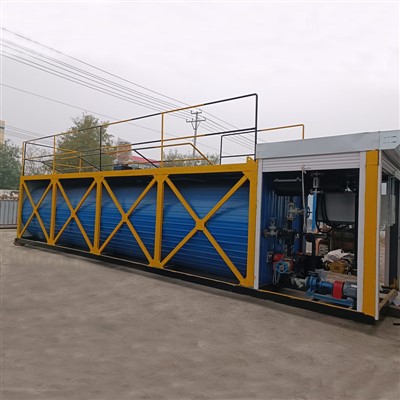
If you're in the market for a Mobile Rubber Asphalt Plant or Rubber Modified Asphalt Equipment, or if you have any questions about ensuring the quality of recycled rubber in your plant, feel free to reach out. I'm always happy to help you make the best decisions for your business.
References
- ASTM International standards for rubber and asphalt testing.
- Industry research papers on rubber asphalt technology and recycled rubber quality control.