In the modern industrial landscape, the bitumen melting plant plays a crucial role in various sectors, especially in road construction and waterproofing. As a leading supplier of bitumen melting plants, I understand the significance of enhancing the automation level of these facilities. This blog will explore effective strategies to increase the automation level of a bitumen melting plant, which can lead to improved efficiency, safety, and cost - effectiveness.
Understanding the Current State of Bitumen Melting Plants
Before delving into the ways to increase automation, it is essential to understand the current state of bitumen melting plants. Traditional bitumen melting plants often rely on manual labor for tasks such as loading bitumen drums, monitoring temperature, and controlling the flow of melted bitumen. These manual processes are not only time - consuming but also prone to human errors. For example, inaccurate temperature control can lead to over - heating or under - heating of bitumen, which affects its quality and performance.
Key Areas for Automation in Bitumen Melting Plants
1. Raw Material Handling
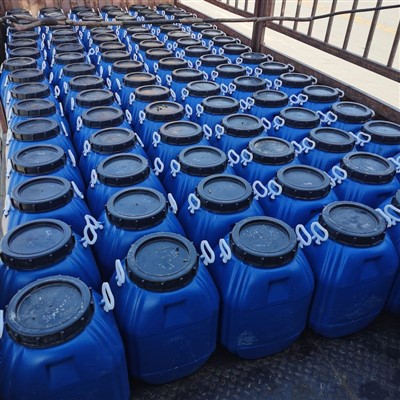
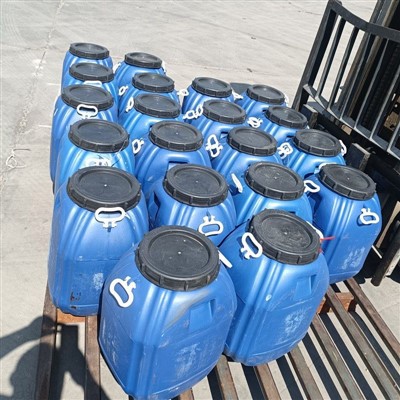
One of the primary areas where automation can be implemented is in raw material handling. Instead of manually loading bitumen drums into the melting unit, automated conveyor systems can be installed. These conveyor systems can transport bitumen drums from the storage area to the melting chamber in a timely and efficient manner. This reduces the physical labor required and minimizes the risk of accidents during the loading process.
Moreover, automated weighing systems can be integrated into the conveyor system. These weighing systems can accurately measure the amount of bitumen being loaded into the melting unit, ensuring that the correct quantity is used for each batch. This helps in maintaining the quality of the melted bitumen and optimizing the production process.
2. Temperature and Pressure Control
Temperature and pressure are critical parameters in the bitumen melting process. Manual monitoring and adjustment of these parameters can be inaccurate and inconsistent. Automated temperature and pressure control systems can be installed to continuously monitor these variables and make real - time adjustments.
For instance, sensors can be placed inside the melting chamber to measure the temperature and pressure. These sensors are connected to a control unit, which can adjust the heating elements or the pressure valves accordingly. This ensures that the bitumen is melted at the optimal temperature and pressure, resulting in high - quality melted bitumen.
3. Flow Control
Controlling the flow of melted bitumen is another area where automation can bring significant benefits. Automated flow control valves can be installed at the outlet of the melting unit. These valves can regulate the flow rate of the melted bitumen based on the requirements of the downstream processes.


For example, if the melted bitumen is being transferred to a storage tank or a mixing unit, the flow control valve can adjust the flow rate to match the capacity of these units. This prevents over - filling or under - filling of the downstream equipment and ensures a smooth and continuous production process.
Advantages of Increasing Automation in Bitumen Melting Plants
1. Improved Efficiency
Automation reduces the time required for various processes in the bitumen melting plant. For example, automated raw material handling and flow control systems can speed up the production cycle. This allows the plant to produce more melted bitumen in a shorter period, increasing the overall productivity of the plant.
2. Enhanced Safety
Manual operations in a bitumen melting plant pose several safety risks, such as burns from hot bitumen and injuries from heavy equipment. By automating these processes, the exposure of workers to these hazards is minimized. For example, automated conveyor systems eliminate the need for workers to manually lift heavy bitumen drums, reducing the risk of back injuries.
3. Cost - Effectiveness
Although the initial investment in automation technology can be significant, it can lead to long - term cost savings. Automated systems are more accurate and consistent than manual operations, which reduces the amount of waste and rework. Additionally, automation reduces the labor cost as fewer workers are required to operate the plant.
Implementing Automation in Bitumen Melting Plants
1. Assess the Current Plant
The first step in implementing automation is to conduct a thorough assessment of the current bitumen melting plant. Identify the areas that are most suitable for automation based on the existing processes, equipment, and production requirements. This assessment will help in developing a customized automation plan for the plant.
2. Select the Right Automation Technology
There are various automation technologies available in the market, and it is crucial to select the right ones for the bitumen melting plant. Consider factors such as the compatibility of the technology with the existing equipment, the ease of integration, and the cost - effectiveness. For example, when choosing an automated temperature control system, ensure that it can be easily integrated with the existing heating elements and sensors in the melting unit.
3. Train the Staff
Once the automation technology is installed, it is essential to train the staff on how to operate and maintain the new systems. Provide comprehensive training programs that cover the functionality of the automated equipment, troubleshooting procedures, and safety protocols. This will ensure that the staff can effectively use the automation technology and maximize its benefits.
Our Offerings as a Bitumen Melting Plant Supplier
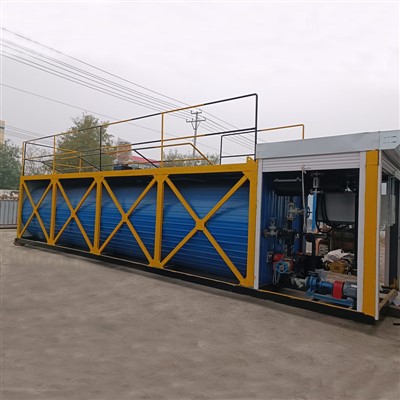
As a supplier of bitumen melting plants, we offer a wide range of Bitumen Melting Equipment that can be customized to meet the specific automation requirements of our customers. Our Asphalt Fast Melting Machine is designed with advanced automation features, such as automated temperature and flow control systems.
We also provide Asphalt Melting Equipment that can be integrated with automated conveyor systems and weighing systems for efficient raw material handling. Our team of experts can assist you in assessing your plant's needs, selecting the right automation technology, and providing training and support throughout the implementation process.
Conclusion
Increasing the automation level of a bitumen melting plant is a strategic move that can bring numerous benefits, including improved efficiency, enhanced safety, and cost - effectiveness. By focusing on key areas such as raw material handling, temperature and pressure control, and flow control, and following a systematic implementation process, you can transform your bitumen melting plant into a highly automated and productive facility.
If you are interested in upgrading your bitumen melting plant with advanced automation technology, please do not hesitate to contact us. We are committed to providing you with the best solutions and support to help you achieve your production goals.
References
- "Automation in Industrial Processes: Principles and Applications" by John Smith
- "Bitumen Production and Processing" by Jane Doe
- Industry reports on bitumen melting plant technologies and trends