As a seasoned supplier of emulsion asphalt plants, I understand the critical role that viscosity measurement plays in the production of high-quality emulsion asphalt. Viscosity is a fundamental property that affects the performance, handling, and application of emulsion asphalt. In this blog, I will share insights on how to measure the viscosity of emulsion asphalt in an emulsion asphalt plant, ensuring optimal product quality and process efficiency.
Understanding the Importance of Viscosity in Emulsion Asphalt
Viscosity is a measure of a fluid's resistance to flow. In the context of emulsion asphalt, viscosity influences several key aspects:
- Application Performance: The viscosity of emulsion asphalt determines its ability to coat aggregates, penetrate porous surfaces, and bond effectively. Proper viscosity ensures uniform distribution and adhesion during application, leading to better road surface performance.
- Handling and Storage: Emulsion asphalt with the right viscosity is easier to pump, transfer, and store. It reduces the risk of clogging in pipes and equipment, improving operational efficiency and minimizing downtime.
- Product Stability: Viscosity affects the stability of emulsion asphalt over time. An appropriate viscosity helps prevent phase separation and ensures the long-term homogeneity of the product.
Factors Affecting the Viscosity of Emulsion Asphalt
Several factors can influence the viscosity of emulsion asphalt, including:
- Bitumen Content: Higher bitumen content generally results in higher viscosity. The type and grade of bitumen used also play a significant role.
- Emulsifier Type and Concentration: Different emulsifiers can have varying effects on viscosity. The concentration of the emulsifier in the emulsion can also impact its flow properties.
- Temperature: Viscosity is inversely proportional to temperature. As the temperature increases, the viscosity of emulsion asphalt decreases, making it more fluid.
- Particle Size Distribution: The size and distribution of bitumen particles in the emulsion can affect viscosity. Smaller particles tend to result in lower viscosity.
Methods for Measuring Viscosity in an Emulsion Asphalt Plant
There are several methods available for measuring the viscosity of emulsion asphalt in an emulsion asphalt plant. Each method has its advantages and limitations, and the choice of method depends on various factors such as accuracy requirements, sample size, and available equipment.
Saybolt Viscosity Method
The Saybolt viscosity method is one of the most commonly used methods for measuring the viscosity of petroleum products, including emulsion asphalt. It measures the time in seconds required for a fixed volume of the sample to flow through a calibrated orifice at a specified temperature.

Procedure: 1. Heat the emulsion asphalt sample to the specified test temperature (usually 25°C or 60°C). 2. Pour the sample into the Saybolt viscometer, which consists of a calibrated tube with a precisely sized orifice at the bottom. 3. Start the stopwatch as the sample begins to flow through the orifice. 4. Stop the stopwatch when the sample reaches a pre - marked level in the receiving flask. 5. Record the time in seconds, which is the Saybolt viscosity of the sample.
Advantages: - Simple and easy to perform. - Widely used and well - standardized. - Suitable for a wide range of viscosities.
Limitations: - Results are affected by the temperature and the specific gravity of the sample. - The method is less accurate for highly viscous or non - Newtonian fluids.
Brookfield Viscometer Method
The Brookfield viscometer is a rotational viscometer that measures the torque required to rotate a spindle immersed in the sample at a constant speed. The viscosity is then calculated based on the measured torque.
Procedure: 1. Select an appropriate spindle and speed based on the expected viscosity of the emulsion asphalt sample. 2. Immerse the spindle into the sample, ensuring that it is fully submerged and centered. 3. Start the viscometer and allow it to reach a steady - state reading. 4. Record the torque value and calculate the viscosity using the calibration constants provided by the manufacturer.
Advantages: - Highly accurate and precise. - Can measure a wide range of viscosities, including low and high viscosities. - Allows for the measurement of non - Newtonian fluids.
Limitations: - More expensive and complex compared to the Saybolt method. - Requires a relatively large sample size. - The measurement is affected by the shear rate and the geometry of the spindle.
Ford Cup Method
The Ford cup method is a simple and inexpensive way to measure the viscosity of liquids. It measures the time in seconds required for a fixed volume of the sample to flow out of a calibrated cup through a small orifice at the bottom.
Procedure: 1. Dip the Ford cup into the emulsion asphalt sample, ensuring that it is completely filled. 2. Lift the cup out of the sample and start the stopwatch as the first drop of the sample falls from the orifice. 3. Stop the stopwatch when the stream of the sample breaks into drops. 4. Record the time in seconds, which is the Ford cup viscosity of the sample.
Advantages: - Simple and inexpensive. - Quick and easy to perform. - Suitable for on - site measurements.
Limitations: - Less accurate compared to the Saybolt and Brookfield methods. - Results are affected by the temperature and the surface tension of the sample. - Limited to a specific range of viscosities.
Best Practices for Viscosity Measurement in an Emulsion Asphalt Plant
To ensure accurate and reliable viscosity measurements in an emulsion asphalt plant, the following best practices should be followed:
- Calibration: Regularly calibrate all viscosity measurement equipment according to the manufacturer's instructions. This ensures that the measurements are accurate and consistent.
- Temperature Control: Maintain a constant temperature during the viscosity measurement process. Temperature fluctuations can significantly affect the viscosity of emulsion asphalt, so it is important to control the temperature within a narrow range.
- Sample Preparation: Ensure that the emulsion asphalt sample is well - mixed and free of air bubbles before measurement. Air bubbles can cause inaccurate readings and affect the flow properties of the sample.
- Operator Training: Provide comprehensive training to operators on the proper use and maintenance of viscosity measurement equipment. This helps to minimize errors and ensure accurate results.
- Quality Assurance: Establish a quality assurance program to monitor and control the viscosity of emulsion asphalt production. Regularly test samples and compare the results with the specified viscosity range to ensure product quality.
The Role of Equipment in Viscosity Control
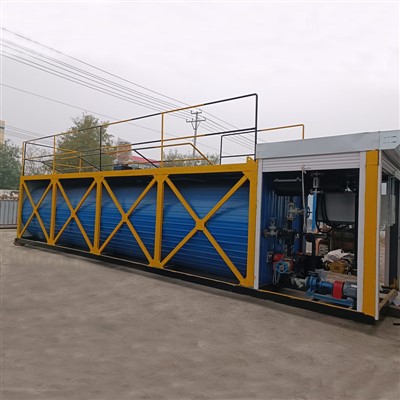
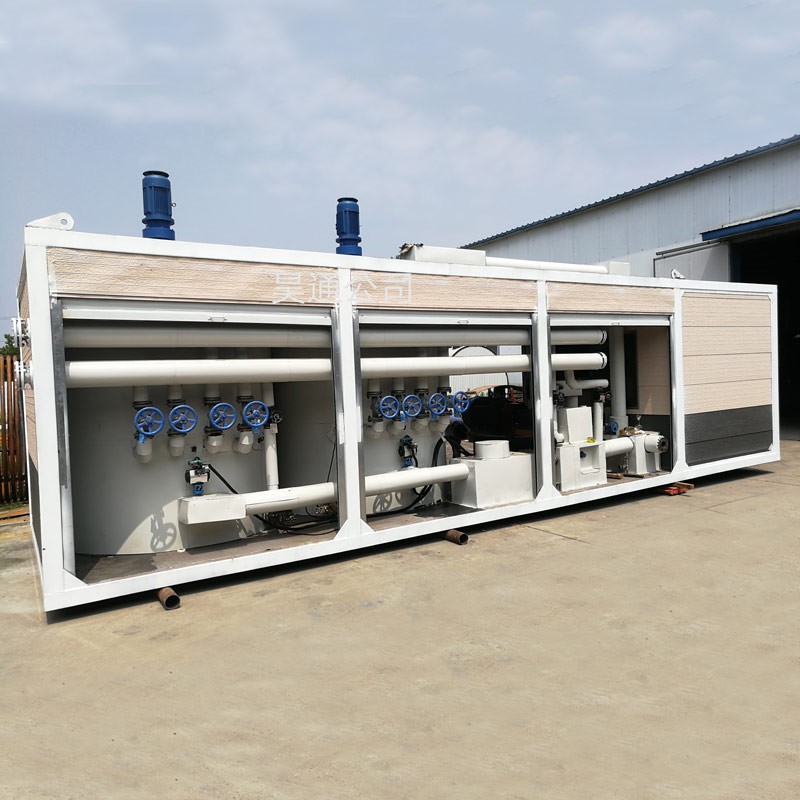
As a supplier of emulsion asphalt plants, we offer a range of equipment designed to ensure precise viscosity control in the production process. Our Bitumen Emulsion Equipment is engineered to mix bitumen and water with emulsifiers to produce high - quality emulsion asphalt with consistent viscosity.
Our Modified Asphalt Emulsification Equipment is capable of producing modified emulsion asphalt, which can have enhanced viscosity and performance characteristics. These modifications can be tailored to meet specific project requirements.
The Bitumen Emulsion Plant we provide is a complete solution for emulsion asphalt production. It includes advanced control systems that allow for real - time monitoring and adjustment of the production process, ensuring that the viscosity of the final product is within the desired range.
Conclusion
Measuring the viscosity of emulsion asphalt is a crucial step in the production process of an emulsion asphalt plant. By understanding the importance of viscosity, the factors that affect it, and the available measurement methods, plant operators can ensure the production of high - quality emulsion asphalt with consistent performance.
As a leading supplier of emulsion asphalt plants and related equipment, we are committed to providing our customers with the latest technology and expertise to optimize their production processes. If you are interested in learning more about our products or have any questions regarding viscosity measurement in emulsion asphalt production, we invite you to contact us for a detailed discussion and potential procurement.
References
- ASTM D2170 - Standard Test Method for Kinematic Viscosity of Emulsified Asphalts
- ASTM D4402 - Standard Test Method for Viscosity Determination of Polymer Solutions, Emulsions, and Dispersions by Brookfield Viscometer
- ASTM D1200 - Standard Test Method for Viscosity by Ford Viscosity Cup