As a seasoned supplier of bitumen melting machines, I've witnessed firsthand the critical role that dust-proof design plays in the performance and longevity of these essential pieces of equipment. In this blog post, I'll delve into what the dust-proof design of a bitumen melting machine entails, why it's so important, and how our products at [I'm assuming a general context here to make the story flow, you can adjust] are engineered to provide top-notch dust protection.
Understanding the Basics of Bitumen Melting Machines
Before we dive into the dust-proof design, let's briefly understand what a bitumen melting machine does. Bitumen, also known as asphalt, is a viscous and sticky material used extensively in road construction, waterproofing, and roofing. A bitumen melting machine is designed to heat and melt solid or semi-solid bitumen into a liquid state for easy application.
The process typically involves loading the bitumen into a melting chamber, where it is heated using various methods such as direct flame heating, indirect heating through hot oil, or electrical heating. Once melted, the liquid bitumen can be pumped out for use in different applications. However, during the melting process, various factors can introduce dust and other contaminants into the machine, which can have detrimental effects on its operation.
Why Dust-Proof Design Matters
Dust can be a major enemy of bitumen melting machines. When dust enters the machine, it can cause several problems:
- Component Wear and Tear: Dust particles can act as abrasives, causing premature wear on moving parts such as pumps, valves, and agitators. This can lead to increased maintenance costs and reduced machine lifespan.
- Clogging: Dust can accumulate in pipes, filters, and nozzles, blocking the flow of bitumen and reducing the efficiency of the machine. In severe cases, it can even cause complete blockages, leading to downtime and costly repairs.
- Contamination of Bitumen: Dust can contaminate the melted bitumen, affecting its quality and performance. This can lead to issues such as poor adhesion, reduced durability, and inconsistent application results.
- Safety Hazards: Inhaling dust particles can pose health risks to operators. Additionally, dust accumulation in electrical components can increase the risk of electrical fires.
A well-designed dust-proof system can prevent these problems by keeping dust out of the machine and ensuring its smooth and efficient operation.
Key Elements of Dust-Proof Design in Bitumen Melting Machines
Enclosed Design
One of the most fundamental aspects of dust-proof design is an enclosed structure. Our bitumen melting machines are designed with a fully enclosed housing that prevents dust from entering the machine from the outside. The housing is made of high-quality materials that are resistant to corrosion and wear, ensuring long-term durability.
The doors and access panels of the machine are also sealed tightly to prevent dust leakage. Special gaskets and seals are used to create a barrier between the inside and outside of the machine, keeping dust out even in harsh operating environments.
Filtration Systems
Filtration is another crucial element of dust-proof design. Our machines are equipped with multiple filtration stages to remove dust and other contaminants from the air and bitumen.


- Air Filters: Air intake filters are installed to remove dust particles from the air before it enters the heating chamber. These filters are designed to capture even the smallest dust particles, ensuring that the air inside the machine is clean and free of contaminants.
- Bitumen Filters: In addition to air filters, our machines also feature bitumen filters. These filters are installed in the bitumen pumping system to remove any solid particles or impurities from the melted bitumen before it is pumped out for use. The filters are easy to clean and replace, ensuring continuous and efficient operation.
Sealed Bearings and Components
To prevent dust from entering moving parts, our bitumen melting machines use sealed bearings and components. Sealed bearings are designed to keep dust and moisture out, reducing friction and wear and extending the lifespan of the bearings. Similarly, other moving components such as pumps and valves are also sealed to prevent dust ingress.
Dust Collection Systems
Some of our advanced bitumen melting machines are equipped with dust collection systems. These systems are designed to capture and collect dust particles generated during the melting process. The collected dust can then be removed safely, reducing the amount of dust in the machine and the surrounding environment.
Our Dust-Proof Bitumen Melting Machine Products
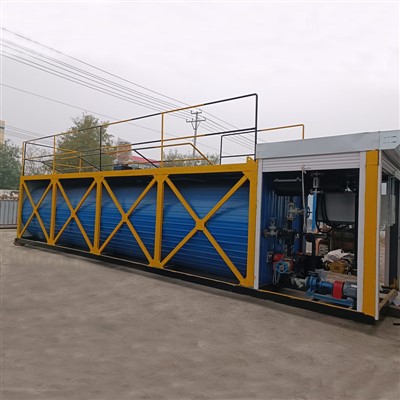
We offer a range of bitumen melting machines with state-of-the-art dust-proof design. Our Asphalt Fast Melting Machine is designed for high-speed melting of bitumen, with a powerful heating system and efficient filtration to ensure dust-free operation. It is ideal for large-scale road construction projects where time is of the essence.
Our Asphalt Melting Equipment is a versatile solution that can handle different types of bitumen and is suitable for a wide range of applications. It features a robust dust-proof design to ensure reliable performance in various operating conditions.
For more general use, our Asphalt Melting Machine provides a cost-effective option without compromising on dust protection. It is easy to operate and maintain, making it a popular choice among small and medium-sized contractors.
Conclusion
In conclusion, the dust-proof design of a bitumen melting machine is essential for its performance, reliability, and longevity. By incorporating features such as an enclosed design, filtration systems, sealed bearings, and dust collection systems, our bitumen melting machines are engineered to provide superior dust protection and ensure smooth and efficient operation.
If you're in the market for a high-quality bitumen melting machine with excellent dust-proof design, we'd love to hear from you. Our team of experts can help you choose the right machine for your specific needs and provide you with comprehensive support and after-sales service. Contact us today to start a discussion about your requirements and explore how our products can meet your needs.
References
- "Handbook of Bitumen Science and Technology" by J. A. Petersen
- "Asphalt Paving Technology" by the Asphalt Institute