As a seasoned supplier of bitumen melting machines, I often encounter inquiries from clients operating in diverse geographical regions. One of the most common questions I receive is whether our bitumen melting machines can be effectively used in cold climates. In this blog post, I will delve into the technical aspects, challenges, and solutions related to using bitumen melting machines in cold weather conditions.
Understanding Bitumen and Its Behavior in Cold Climates
Before discussing the suitability of bitumen melting machines in cold climates, it is essential to understand the properties of bitumen itself. Bitumen is a viscous, black, and sticky material derived from petroleum. It is widely used in road construction, waterproofing, and roofing applications due to its excellent binding and waterproofing properties.
However, bitumen's physical properties are highly temperature-dependent. In cold climates, bitumen becomes more viscous and brittle, which can pose challenges during the melting and application process. At low temperatures, bitumen may solidify or become too thick to flow, making it difficult to pump and apply evenly. This can lead to issues such as poor adhesion, uneven coating, and reduced durability of the final product.
Challenges of Using Bitumen Melting Machines in Cold Climates
When operating a bitumen melting machine in cold climates, several challenges need to be addressed to ensure optimal performance and efficiency. Some of the key challenges include:
1. Cold Start-up
One of the primary challenges in cold climates is the cold start-up of the bitumen melting machine. At low temperatures, the bitumen in the storage tank may be highly viscous or even solid, making it difficult to initiate the melting process. This can result in longer start-up times, increased energy consumption, and potential damage to the heating elements or other components of the machine.
2. Heat Loss
In cold climates, heat loss is a significant concern. The cold ambient temperature can cause the bitumen melting machine to lose heat rapidly, especially if the insulation is inadequate. This can lead to increased energy consumption as the machine needs to work harder to maintain the desired melting temperature. Additionally, heat loss can affect the quality of the melted bitumen, as it may cool down too quickly and become less fluid.
3. Pumping and Flow Issues
As mentioned earlier, bitumen becomes more viscous in cold temperatures, which can cause problems with pumping and flow. The thickened bitumen may not flow smoothly through the pipes and hoses, leading to clogging, reduced flow rates, and uneven application. This can result in inconsistent coating thickness and poor adhesion of the bitumen to the substrate.
4. Frost and Ice Formation
In extremely cold climates, frost and ice formation can occur on the exterior surfaces of the bitumen melting machine and its components. This can not only affect the machine's performance but also pose safety risks to the operators. Frost and ice can cause damage to the insulation, pipes, and valves, leading to leaks and other mechanical problems.
Solutions for Using Bitumen Melting Machines in Cold Climates
Despite the challenges, there are several solutions available to ensure the effective use of bitumen melting machines in cold climates. These solutions involve both technical modifications to the machine and operational best practices.
1. Insulation
Proper insulation is crucial for minimizing heat loss in cold climates. The bitumen melting machine should be equipped with high-quality insulation materials to reduce the transfer of heat from the machine to the surrounding environment. Insulation can be applied to the storage tank, heating elements, pipes, and other components of the machine. This helps to maintain the desired melting temperature and reduces energy consumption.
2. Preheating
To overcome the issue of cold start-up, preheating the bitumen in the storage tank can be an effective solution. This can be done using a separate preheating system or by using the machine's heating elements at a lower power setting for an extended period before starting the full melting process. Preheating helps to reduce the viscosity of the bitumen and makes it easier to initiate the melting process.
3. Heating System Design
The heating system of the bitumen melting machine should be designed to provide efficient and uniform heating, even in cold climates. This may involve using multiple heating elements or a combination of direct and indirect heating methods. The heating system should also be capable of maintaining a stable temperature throughout the melting process to ensure consistent quality of the melted bitumen.
4. Pumping and Flow Optimization
To address the pumping and flow issues associated with cold temperatures, the bitumen melting machine should be equipped with pumps and pipes that are designed to handle viscous fluids. The pipes should be properly sized and insulated to minimize heat loss and ensure smooth flow of the bitumen. Additionally, the use of flow meters and control valves can help to regulate the flow rate and ensure accurate application of the bitumen.
5. Weather Protection
To prevent frost and ice formation on the machine, it is important to provide adequate weather protection. This can be achieved by installing the bitumen melting machine in a heated enclosure or by using weather covers to protect the machine from the elements. Regular inspection and maintenance of the machine are also essential to detect and address any signs of frost or ice damage.
Our Bitumen Melting Machines: Designed for Cold Climates
At our company, we understand the unique challenges faced by our clients operating in cold climates. That's why we have developed a range of bitumen melting machines that are specifically designed to perform optimally in low-temperature environments.
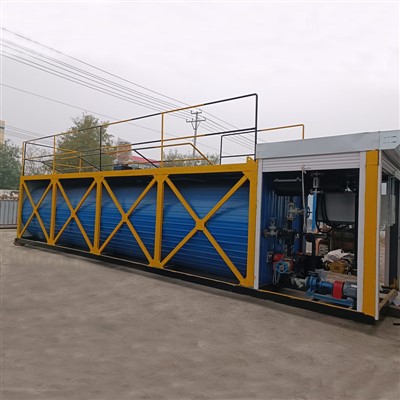
Our Asphalt Melting Machine and Bitumen Melting Plant are equipped with advanced insulation materials and heating systems that ensure efficient and uniform heating, even in cold weather. Our machines also feature high-performance pumps and pipes that are designed to handle viscous fluids, ensuring smooth flow and accurate application of the bitumen.
In addition, our technical support team is available to provide expert advice and assistance to our clients in cold climates. We can help with the installation, operation, and maintenance of our bitumen melting machines, as well as provide training to ensure that our clients' operators are fully equipped to handle the challenges of working in cold weather conditions.
Conclusion
In conclusion, while using a bitumen melting machine in cold climates presents some challenges, these challenges can be effectively addressed with the right equipment and operational practices. Our bitumen melting machines are designed to overcome these challenges and provide reliable and efficient performance in low-temperature environments.
If you are considering purchasing a bitumen melting machine for use in a cold climate, we encourage you to contact us to discuss your specific requirements. Our team of experts will be happy to provide you with detailed information about our products and services, as well as answer any questions you may have. We look forward to working with you to find the best solution for your bitumen melting needs.


References
- "Bitumen and Its Applications" - Petroleum Institute
- "Cold Climate Construction: Best Practices for Bitumen Applications" - International Road Federation
- "Insulation Materials for Industrial Applications" - Insulation Manufacturers Association