Hey there! As a supplier of bitumen melting machines, I've been getting a lot of questions lately about the different heating methods used in these machines. So, I thought I'd put together this blog post to give you a rundown of the most common heating methods and how they work.


Direct Heating
The first method we'll talk about is direct heating. This is probably the most straightforward way to heat bitumen. In a direct heating system, the bitumen comes into direct contact with the heat source. One common way to do this is by using a burner. The burner heats up a metal surface, and the bitumen is placed on or near this hot surface.
The advantage of direct heating is that it's fast. You can quickly raise the temperature of the bitumen to the desired level. However, there are also some drawbacks. One big issue is that direct heating can cause the bitumen to overheat in some areas. This can lead to thermal degradation of the bitumen, which means its quality can be affected. It can also be a bit dangerous because of the open flames or high - temperature surfaces involved.
Indirect Heating
Indirect heating is another popular method. In this case, the bitumen doesn't come into direct contact with the heat source. Instead, a heat transfer medium is used. A common heat transfer medium is hot oil. The oil is heated in a separate chamber, and then it circulates through pipes that are in contact with the bitumen.
The main advantage of indirect heating is that it provides a more uniform temperature distribution. This helps to prevent overheating and thermal degradation of the bitumen. It's also safer than direct heating because there are no open flames near the bitumen. However, indirect heating systems can be more complex and expensive to set up. You need to have a separate oil - heating system and a proper circulation system for the hot oil.
Steam Heating
Steam heating is a well - known method in the bitumen melting industry. Steam is generated in a boiler and then sent through pipes that are in contact with the bitumen. The heat from the steam is transferred to the bitumen, melting it.
One of the benefits of steam heating is that steam can carry a large amount of heat energy. It can also provide a relatively gentle and even heating process. Steam heating systems are also relatively easy to control. You can adjust the amount of steam flowing through the pipes to control the heating rate. However, steam heating requires a reliable steam source, which means you need a good boiler. Boilers can be expensive to install and maintain, and they also need a constant supply of water and fuel.
Electrical Heating
Electrical heating is becoming more and more popular these days. In an electrical heating system, electric elements are used to generate heat. These elements can be placed inside the bitumen tank or around it.
The advantage of electrical heating is that it's very clean. There are no emissions like in a burner - based system. It's also easy to control. You can simply adjust the electrical power to control the heating rate. Electrical heating systems are also relatively compact, which can be an advantage if you have limited space. However, the cost of electricity can be high, especially if you're using a large - scale bitumen melting machine.
Microwave Heating
Microwave heating is a relatively new method in the bitumen melting field. Microwaves are a form of electromagnetic radiation. When microwaves are applied to the bitumen, the molecules in the bitumen start to vibrate, generating heat.
The main advantage of microwave heating is that it can be very fast. It can heat the bitumen from the inside out, which can lead to a more efficient melting process. It also doesn't require a large amount of equipment compared to some other methods. However, microwave heating technology is still in its early stages, and there are some challenges. For example, it can be difficult to ensure uniform heating throughout the bitumen mass, and the equipment can be quite expensive.
Which Method is Best?
So, which heating method is the best for your bitumen melting machine? Well, it depends on several factors. If you need a fast - melting solution and cost is not a major concern, direct heating might be an option. But if you're worried about the quality of the bitumen and safety, indirect heating or steam heating could be better.
If you're in an area where electricity is relatively cheap and you want a clean and easy - to - control system, electrical heating is a good choice. And if you're looking for a cutting - edge and potentially very efficient method, you might want to consider microwave heating, although you'll have to deal with some of the emerging technology challenges.
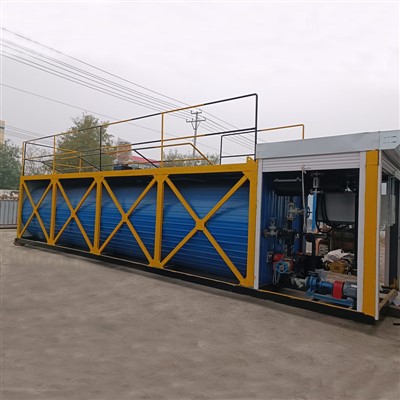
As a supplier of Asphalt Melting Machine, Bitumen Melting Plant, and Asphalt Fast Melting Machine, we can offer machines with different heating methods. We can help you choose the right one based on your specific needs, such as your production volume, budget, and the quality of bitumen you require.
If you're interested in learning more about our bitumen melting machines or need help in selecting the right heating method for your application, don't hesitate to get in touch. We're here to assist you in making the best decision for your business. Whether you're a small - scale contractor or a large - scale asphalt plant operator, we have solutions that can meet your requirements.
References
- Smith, J. (2018). "Heating Technologies in Bitumen Processing". Journal of Asphalt Industry.
- Brown, A. (2020). "Comparative Analysis of Bitumen Melting Methods". International Journal of Construction Materials.
- Green, C. (2021). "Advances in Microwave Heating for Bitumen Melting". New Technologies in Road Construction Magazine.