Hey there! As a supplier of emulsion bitumen plants, I often get asked about the vibration level of these plants. So, I thought I'd take a few minutes to break it down for you.
First off, let's talk about why vibration levels matter in an emulsion bitumen plant. Vibration can have a significant impact on the performance and longevity of the equipment. Excessive vibration can lead to premature wear and tear on components, increased maintenance costs, and even safety hazards. On the other hand, a well - designed plant with appropriate vibration levels will operate more smoothly, produce better - quality products, and have a longer service life.
Factors Affecting Vibration Levels
There are several factors that can influence the vibration level of an emulsion bitumen plant.


Equipment Design
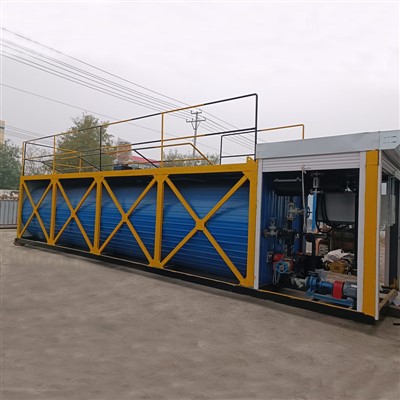
The design of the plant plays a crucial role. For example, the layout of the mixing chambers, pumps, and other components can either minimize or exacerbate vibration. A poorly designed layout might cause uneven flow of materials, leading to imbalances and increased vibration. At our company, we invest a lot of time and resources in optimizing the design of our Emulsion Asphalt Plant. Our engineers use advanced computer - aided design (CAD) software to simulate different scenarios and ensure that the equipment is as vibration - free as possible.
Motor and Drive Systems
The motors and drive systems in an emulsion bitumen plant are another major source of vibration. If the motors are not properly balanced or if the drive belts are misaligned, it can cause significant vibration. We use high - quality motors and precision - engineered drive systems in our plants. Our technicians regularly check and adjust these components to maintain optimal performance and reduce vibration.
Material Characteristics
The characteristics of the materials being processed also matter. Bitumen and emulsifiers have different viscosities and densities, and these properties can affect how the materials flow through the plant. If the materials are not properly mixed or if there are large variations in their properties, it can cause vibration. That's why we offer Modified Asphalt Emulsification Equipment that is specifically designed to handle a wide range of material characteristics. This equipment ensures a more consistent flow of materials, reducing the chances of vibration.
Measuring Vibration Levels
Measuring the vibration level of an emulsion bitumen plant is an important part of quality control. We use specialized vibration sensors and monitoring systems to measure the vibration at different points in the plant. These sensors can detect even the slightest vibrations and provide real - time data.
The vibration level is usually measured in terms of acceleration (in meters per second squared, m/s²) or displacement (in millimeters, mm). By analyzing the data from the sensors, we can identify any potential issues early on and take corrective actions. For example, if the vibration level at a particular pump is higher than normal, we can check for misalignment or worn - out bearings and fix the problem before it causes more serious damage.
Acceptable Vibration Levels
So, what are the acceptable vibration levels for an emulsion bitumen plant? Well, there isn't a one - size - fits - all answer. The acceptable vibration level depends on several factors, such as the type of equipment, the operating conditions, and the specific application.
In general, for most industrial equipment, a vibration level of less than 1.5 m/s² (root - mean - square value) is considered acceptable. However, in some cases, even lower vibration levels may be required, especially for high - precision plants. At our company, we aim to keep the vibration levels in our Fully Automatic Emulsified Asphalt Equipment well below the industry standards to ensure the best performance and reliability.
Benefits of Low Vibration Levels
Having low vibration levels in an emulsion bitumen plant offers several benefits.
Improved Product Quality
When the plant operates with low vibration, the materials are mixed more evenly. This results in a more consistent quality of the emulsion bitumen, which is crucial for applications such as road construction. High - quality emulsion bitumen provides better adhesion and durability, leading to longer - lasting roads.
Reduced Maintenance Costs
Low vibration means less wear and tear on the components. This reduces the frequency of maintenance and replacement of parts, saving you a lot of money in the long run. You won't have to worry about frequent breakdowns or expensive repairs.
Enhanced Safety
Excessive vibration can pose a safety risk to the operators. It can cause loose connections, which may lead to electrical hazards or leaks. By keeping the vibration levels low, we ensure a safer working environment for everyone involved.
Our Commitment to Low Vibration
As a supplier, we are committed to providing emulsion bitumen plants with the lowest possible vibration levels. We continuously invest in research and development to improve the design and performance of our equipment. Our team of experts is always on the lookout for new technologies and techniques to reduce vibration.
Whether you're a small - scale contractor or a large - scale construction company, our emulsion bitumen plants are designed to meet your needs. We offer a range of options, from Modified Asphalt Emulsification Equipment to Fully Automatic Emulsified Asphalt Equipment, all built with the latest technology to ensure optimal performance.
Contact Us for a Quote
If you're in the market for an emulsion bitumen plant and want to learn more about our products, we'd love to hear from you. We can provide you with detailed information about the vibration levels of our equipment, as well as other technical specifications. Contact us today to start the conversation about how our emulsion bitumen plants can meet your requirements and help you achieve your project goals.
References
- "Industrial Vibration Analysis and Monitoring" - A comprehensive guide on vibration analysis in industrial settings.
- "Bitumen Emulsion Technology" - A technical book that covers the properties and production of bitumen emulsions, including the impact of equipment vibration.