

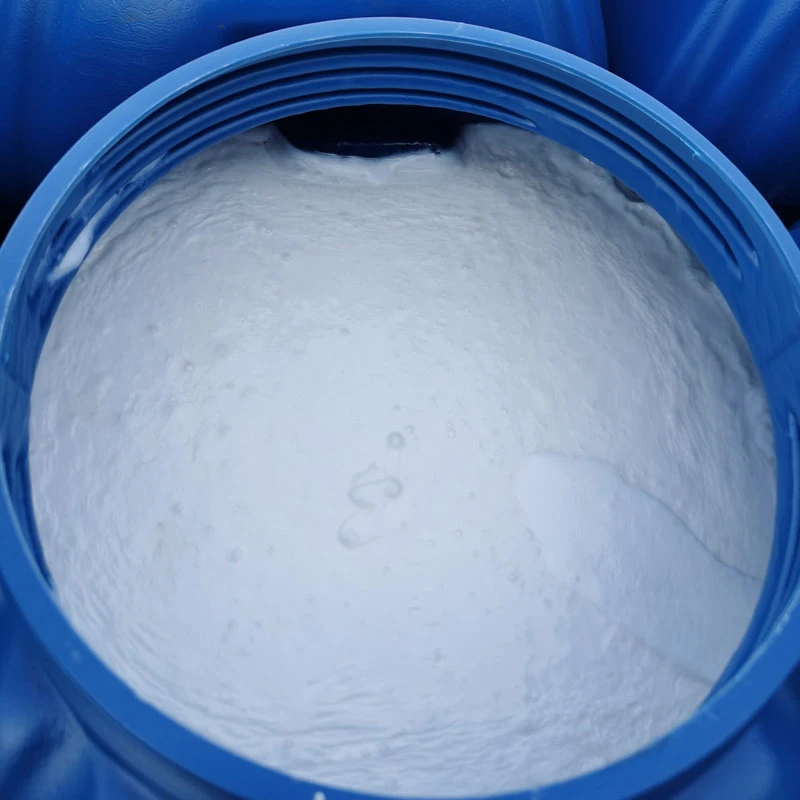
Emulsified Asphalt Liquid is a synthetic chemical auxiliary categorized as cationic, anionic, or non‑ionic. Most undiluted formulations are weakly acidic or weakly alkaline and exhibit slight corrosiveness and skin‑irritation potential. Spraying and mixing operations generate mist, dust, and asphalt volatile vapours. Accordingly, comprehensive safety‑protection protocols covering personal protection, site‑environmental controls, and emergency response must be strictly enforced to prevent safety incidents. Specific protection specifications are detailed below.
First, implement dedicated personal protection for construction personnel, the most critical safeguard. Workers must don complete protective equipment before starting work; bare‑skin operation is prohibited. Wear closed long‑sleeve protective garments to block reagent and asphalt‑slurry contact with the body. Wear thick acid‑and‑alkali‑resistant rubber gloves to prevent direct exposure to undiluted or diluted liquid, avoiding skin dryness, peeling, redness, and chemical burns. Wear safety goggles to block splashing slurry and reagent mist from spraying and mixing operations, preventing conjunctival irritation and inflammation. Wear dust‑and‑vapour‑resistant masks to filter asphalt volatiles, dust, and reagent mist and avoid respiratory dryness, coughing, and allergic reactions. Do not rub eyes or facial skin with bare hands while working. Thoroughly wash hands, faces, and all exposed skin and change work clothing upon completing tasks.
Second, enforce site‑environmental protection. Although Emulsified Asphalt Liquid itself is non‑flammable, paired asphalt materials are combustible. Strict fire‑source management is mandatory at construction sites. Open flames and smoking are forbidden. Keep ignition sources and flammable‑explosive materials outside operational zones. Eliminate oil‑leakage and electrical‑leakage hazards on construction equipment to prevent fire risks. Maintain adequate ventilation for open‑air sites. Install forced‑ventilation systems for tunnel or confined‑space construction to speed hazardous‑gas dispersion and stop gas accumulation. Store undiluted Emulsified Asphalt Liquid in sealed containers in cool, dry locations, separated from acids, alkalis, and oxidizing agents. Random stockpiling is prohibited to prevent reagent degradation or unintended chemical reactions.
Third, apply safeguards during operational procedures. Perform reagent dilution slowly to avoid undiluted‑stock splashing and excessive mist generated by violent agitation. Assign dedicated staff for proportioning work and keep non‑construction personnel away from operating zones. While mechanical spraying and mixing equipment is running, keep personnel clear of discharge outlets and shearing components to prevent mechanical injury and reagent splashing. Divide work zones and maintain safe separation distances for multi‑person operations to avoid collision and splashing hazards from overlapping work. Inspect protective equipment before daily work and replace damaged or aged items promptly to maintain protection effectiveness.
Finally, establish emergency‑protection and response protocols. Sufficient running water, emergency shower nozzles, eye‑wash stations, and first‑aid kits must be available on‑site. If Emulsified Asphalt Liquid contacts skin, remove contaminated clothing and rinse affected areas with copious running water for 5‑10 minutes. If splashed into eyes, continue rinsing for at least 15 minutes and seek prompt medical attention. If dizziness or coughing arises from heavy‑mist inhalation, move to a well‑ventilated area for rest; arrange hospital transport for severe symptoms. Dispose of waste materials and waste liquid in a controlled manner after construction finishes. Unregulated discharge is forbidden to protect the surrounding environment and avoid secondary safety hazards.


