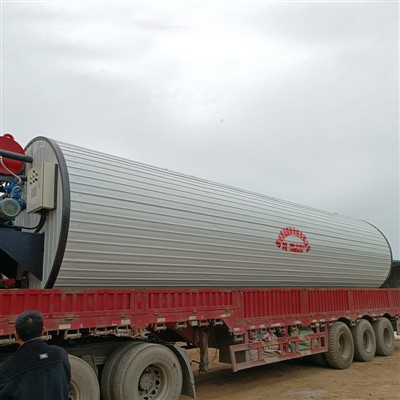
Maintenance of modified asphalt equipment should focus on key components, material residues, operating status, and environmental protection. Scientific maintenance can ensure stable equipment operation and extend its service life.
Regular inspection and replacement of key components is crucial. Pay special attention to easily worn parts such as agitator blades and rotors, regularly check the degree of wear, and replace them promptly if deformation or damage is found. Seals and bearings need to be lubricated regularly to prevent dry friction damage. The hydraulic system needs to be pressure checked regularly, and aged oil pipes and seals should be replaced to prevent leaks.
Cleanup of material residues is essential. After each shutdown, promptly clean the modified asphalt residue inside the modified asphalt equipment to prevent it from clumping after cooling and affecting the next operation. Heating pipes and the inner walls of the mixing tank need to be descaled regularly, using high-temperature cleaning or special cleaning agents to ensure heat transfer efficiency and mixing uniformity, reducing the operating load on the equipment.
Real-time monitoring of operating status is important. During daily operation, monitor parameters such as temperature, pressure, and speed of the equipment. If abnormal fluctuations occur, shut down the equipment immediately for troubleshooting. Regularly calibrate the accuracy of instruments to ensure accurate data and avoid equipment failure due to parameter misinterpretation. Also, check the electrical wiring connections to prevent short circuits or poor connections.
Proper environmental management and maintenance during downtime are essential. Modified asphalt equipment should be placed in a dry and well-ventilated area to prevent rust from metal parts caused by dampness. When the equipment is idle for extended periods, residual materials and water should be drained, easily corroded parts should be treated with rust prevention, dust covers should be installed, and the equipment should be run under no-load conditions periodically to prevent parts from aging and jamming.