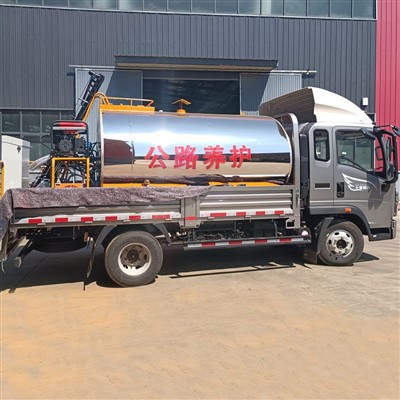
As a supplier of asphalt emulsifiers, I often encounter questions from customers about the biodegradability of these products. Biodegradability is an important consideration in today's environmentally conscious world, as it can have significant implications for the long - term impact of construction materials on the environment. In this blog, I will delve into the topic of whether asphalt emulsifiers are biodegradable.
Understanding Asphalt Emulsifiers
Before discussing biodegradability, let's first understand what asphalt emulsifiers are. Asphalt emulsifiers are chemical substances that help to disperse asphalt particles in water, creating a stable emulsion. These emulsions are widely used in the construction industry for various applications, such as road paving, chip sealing, and soil stabilization.
There are two main types of asphalt emulsifiers: anionic and cationic. Anionic emulsifiers have negatively charged particles, while cationic emulsifiers have positively charged particles. Each type has its own unique properties and is suitable for different applications. You can learn more about Anionic Emulsifier and Cationic Emulsion on our website.
Factors Affecting Biodegradability
The biodegradability of asphalt emulsifiers depends on several factors, including their chemical composition, molecular structure, and the environmental conditions in which they are exposed.
Chemical Composition
The chemical composition of an asphalt emulsifier plays a crucial role in its biodegradability. Some emulsifiers are made from natural or biodegradable raw materials, such as fatty acids and their derivatives. These types of emulsifiers are more likely to be broken down by microorganisms in the environment. On the other hand, emulsifiers that contain synthetic polymers or other non - biodegradable components may be more resistant to degradation.
Molecular Structure
The molecular structure of an emulsifier can also affect its biodegradability. Emulsifiers with simpler molecular structures are generally more easily degraded by microorganisms than those with complex structures. For example, linear molecules are often more biodegradable than branched or cross - linked molecules.
Environmental Conditions
The environmental conditions, such as temperature, pH, and the presence of oxygen, can significantly influence the biodegradability of asphalt emulsifiers. Microorganisms that are responsible for biodegradation are more active under certain environmental conditions. For instance, biodegradation typically occurs more rapidly at higher temperatures and in the presence of oxygen. In anaerobic environments, such as deep soil layers or waterlogged areas, the biodegradation process may be slower.
Biodegradability of Different Types of Asphalt Emulsifiers
Anionic Emulsifiers
Anionic emulsifiers are commonly used in asphalt emulsions. Many anionic emulsifiers are derived from natural sources, such as tall oil fatty acids. These natural - based anionic emulsifiers are generally considered to be more biodegradable than their synthetic counterparts. However, the biodegradability can still vary depending on the specific formulation and the presence of other additives.
Cationic Emulsifiers
Cationic emulsifiers are often used in applications where a faster setting time is required. Some cationic emulsifiers are made from synthetic materials, which may have lower biodegradability. However, there are also cationic emulsifiers that are designed to be more environmentally friendly and biodegradable. These newer formulations use biodegradable surfactants and other components to reduce their environmental impact.
Testing Biodegradability
To determine the biodegradability of asphalt emulsifiers, various testing methods are available. One common method is the OECD 301 series of tests, which are standardized tests for evaluating the ready biodegradability of chemicals in water. These tests measure the extent to which a chemical is degraded by microorganisms under specific laboratory conditions.
Another approach is to conduct field studies, where the emulsifiers are applied in real - world settings and their degradation is monitored over time. Field studies can provide more realistic information about the biodegradability of asphalt emulsifiers in different environmental conditions.
Environmental Impact and Sustainability
The biodegradability of asphalt emulsifiers has important implications for the environmental impact and sustainability of asphalt - based construction projects. Biodegradable emulsifiers can reduce the long - term accumulation of chemicals in the environment, minimizing the potential for pollution and harm to ecosystems.
In addition, using biodegradable asphalt emulsifiers can contribute to the overall sustainability of construction projects. Many governments and regulatory agencies are increasingly promoting the use of environmentally friendly materials in construction. By choosing biodegradable emulsifiers, contractors can meet these requirements and enhance the environmental performance of their projects.
Our Approach as a Supplier
As a leading supplier of Asphalt Emulsifier, we are committed to providing high - quality and environmentally friendly products. We invest in research and development to formulate asphalt emulsifiers that are not only effective in their performance but also have good biodegradability.
Our team of experts carefully selects raw materials and designs formulations to ensure that our emulsifiers meet the highest standards of environmental protection. We also conduct regular testing to verify the biodegradability of our products and provide our customers with accurate information about their environmental impact.
Conclusion
In conclusion, the biodegradability of asphalt emulsifiers is a complex issue that depends on various factors, including their chemical composition, molecular structure, and environmental conditions. While some asphalt emulsifiers are biodegradable, others may be more resistant to degradation.


As a supplier, we understand the importance of providing environmentally friendly products. We are constantly working to improve the biodegradability of our asphalt emulsifiers without compromising their performance.
If you are interested in learning more about our asphalt emulsifiers or have any questions regarding their biodegradability, please feel free to contact us. We are always ready to assist you in choosing the right product for your specific needs and help you contribute to a more sustainable construction industry.
References
- ASTM International. Standard test methods for asphalt emulsions.
- Organization for Economic Co - operation and Development (OECD). OECD Guidelines for the Testing of Chemicals, Section 3: Degradation and Accumulation.
- Journal of Environmental Science and Health, Part A: Toxic/Hazardous Substances and Environmental Engineering. Articles on the biodegradability of chemical substances.