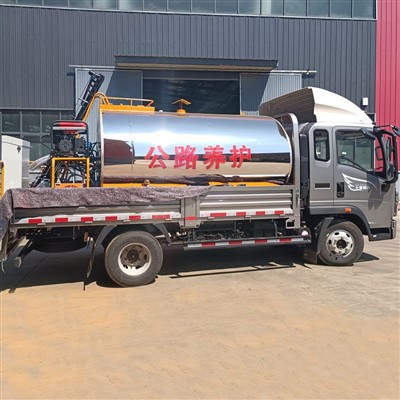
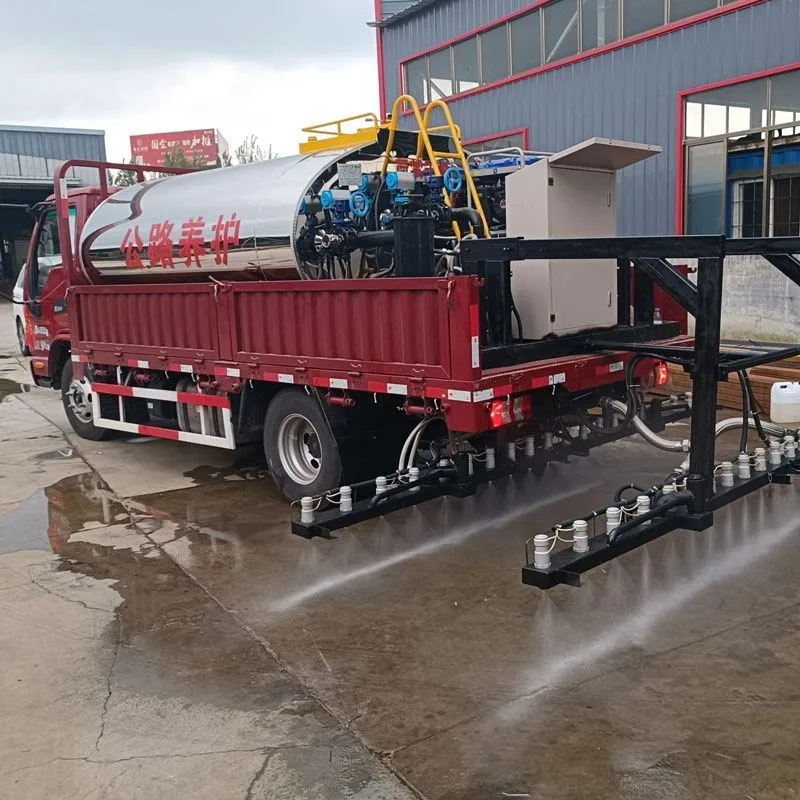
As a seasoned supplier of Asphalt Distributor Tanks, I've witnessed firsthand the pivotal role these machines play in road construction and maintenance projects. Asphalt distributor tanks are essential equipment used to evenly distribute asphalt onto road surfaces, ensuring a smooth and durable finish. However, like any specialized equipment, there are strict regulations governing their use to ensure safety, efficiency, and environmental compliance. In this blog post, I'll delve into the key regulations surrounding the use of asphalt distributor tanks and how they impact our operations as a supplier.
Safety Regulations
Safety is paramount when it comes to operating asphalt distributor tanks. These regulations are designed to protect operators, bystanders, and the environment from potential hazards associated with asphalt handling and distribution.
Operator Training and Certification
One of the primary safety regulations requires operators to undergo comprehensive training and obtain certification before operating an asphalt distributor tank. This training covers various aspects, including equipment operation, maintenance, safety procedures, and emergency response protocols. By ensuring that operators are well-trained and certified, we can minimize the risk of accidents and injuries on the job site.
Personal Protective Equipment (PPE)
Operators are also required to wear appropriate personal protective equipment (PPE) when working with asphalt distributor tanks. This includes heat-resistant gloves, goggles, respirators, and flame-resistant clothing to protect against burns, chemical exposure, and inhalation of fumes. PPE helps to safeguard operators from the harsh conditions associated with asphalt handling and reduces the risk of occupational health hazards.
Equipment Maintenance and Inspection
Regular maintenance and inspection of asphalt distributor tanks are essential to ensure their safe and reliable operation. Suppliers are required to follow a strict maintenance schedule, including routine checks of the tank's structural integrity, valves, pumps, hoses, and heating systems. Any signs of wear, damage, or malfunction must be addressed immediately to prevent accidents and ensure the proper functioning of the equipment.
Fire Prevention and Safety
Asphalt is a highly flammable substance, and fire prevention is a critical aspect of operating asphalt distributor tanks. Suppliers must implement strict fire prevention measures, such as installing fire suppression systems, providing fire extinguishers on-site, and ensuring proper storage and handling of asphalt. Additionally, operators are trained to follow fire safety protocols, including maintaining a safe distance from ignition sources and shutting down the equipment in case of a fire emergency.
Environmental Regulations
In addition to safety regulations, there are also strict environmental regulations governing the use of asphalt distributor tanks. These regulations aim to minimize the environmental impact of asphalt production and distribution and protect air, water, and soil quality.

Emissions Control
Asphalt distributor tanks are required to comply with emissions control standards to reduce air pollution. This includes the installation of emission control devices, such as catalytic converters and particulate filters, to reduce the release of harmful pollutants, such as nitrogen oxides (NOx), sulfur dioxide (SO2), and particulate matter (PM). Suppliers must also monitor and report their emissions to regulatory authorities to ensure compliance with environmental standards.
Spill Prevention and Response
Spills and leaks of asphalt can have a significant impact on the environment, contaminating soil, water bodies, and groundwater. To prevent spills, suppliers are required to implement spill prevention measures, such as installing secondary containment systems, conducting regular inspections of hoses and connections, and providing spill response training to operators. In the event of a spill, suppliers must have a spill response plan in place to quickly and effectively contain and clean up the spill to minimize its environmental impact.
Waste Management
Proper waste management is essential to ensure the environmental sustainability of asphalt production and distribution. Suppliers are required to manage their waste materials, such as used asphalt, filters, and cleaning solvents, in accordance with environmental regulations. This includes recycling and reusing waste materials whenever possible and disposing of them in an environmentally responsible manner at approved waste disposal facilities.
Regulatory Compliance and Documentation
Compliance with safety and environmental regulations is not only a legal requirement but also a moral obligation for suppliers of asphalt distributor tanks. To demonstrate compliance, suppliers must maintain accurate records and documentation of their operations, including equipment maintenance logs, operator training records, emissions reports, and spill response plans. These records are subject to inspection by regulatory authorities to ensure that suppliers are meeting their regulatory obligations.
Impact on Our Business as a Supplier
As a supplier of asphalt distributor tanks, these regulations have a significant impact on our business operations. On one hand, they ensure the safety of our customers and the environment, which is our top priority. By providing high-quality, compliant equipment and training our customers on proper use and maintenance, we can help to minimize the risk of accidents and environmental damage.
On the other hand, compliance with regulations also requires significant investment in equipment, training, and documentation. We must stay up-to-date with the latest regulatory requirements and make continuous improvements to our products and processes to ensure compliance. This can increase our operating costs and make it more challenging to compete in the market.
However, we believe that compliance with regulations is essential for the long-term success of our business. By demonstrating our commitment to safety and environmental responsibility, we can build trust and credibility with our customers and differentiate ourselves from our competitors. We also believe that investing in compliance can lead to cost savings in the long run by reducing the risk of accidents, fines, and legal liabilities.
Conclusion
In conclusion, the regulations regarding the use of asphalt distributor tanks are designed to ensure the safety of operators, protect the environment, and promote the efficient and sustainable use of asphalt in road construction and maintenance projects. As a supplier of asphalt distributor tanks, we are committed to complying with these regulations and providing our customers with high-quality, compliant equipment and services.
If you're in the market for an asphalt distributor tank, we invite you to explore our range of products, including the Standard Asphalt Distributor, Asphalt Distributor Tank, and Intelligent Asphalt Distributor Truck. Our team of experts is available to answer any questions you may have and help you choose the right equipment for your specific needs. Contact us today to learn more and start a discussion about your asphalt distribution requirements.
References
- Occupational Safety and Health Administration (OSHA). (n.d.). Asphalt and Bitumen. Retrieved from [OSHA Website]
- Environmental Protection Agency (EPA). (n.d.). Asphalt Paving Industry Emissions. Retrieved from [EPA Website]
- National Fire Protection Association (NFPA). (n.d.). NFPA 30: Flammable and Combustible Liquids Code. Retrieved from [NFPA Website]