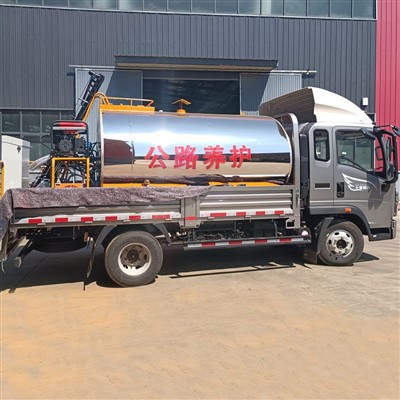
Hey there! As a supplier of Bitumen Melting Equipment, I've seen firsthand how important it is to have proper operation training for this kind of machinery. In this blog, I'm gonna share some operation training methods that can help you get the most out of your bitumen melting equipment.
Pre - Training Preparation
Before we dive into the actual training, there are a few things we need to take care of. First off, we gotta make sure all the operators are familiar with the basic safety rules. Bitumen melting involves high temperatures, and there are risks like burns, fires, and fume inhalation. So, a safety briefing is a must. We should also provide safety gear such as heat - resistant gloves, goggles, and protective clothing.
Next, it's essential to give the operators an overview of the equipment. Show them the different parts of the Bitumen Melting Equipment, like the melting chamber, heating elements, control panel, and pumps. Explain what each part does and how they work together to melt the bitumen.
Theoretical Training
Theoretical training is the foundation of any operation training. We can start by teaching the operators about the properties of bitumen. Bitumen has different grades, and each grade has its own melting point and viscosity. Understanding these properties helps operators set the right parameters on the equipment.
We should also cover the heating principles of the Asphalt Melting Machine. There are different heating methods, such as direct heating and indirect heating. Direct heating uses a flame or electric heater to directly heat the bitumen, while indirect heating uses a heat transfer medium like hot oil. Explain the pros and cons of each method so that operators can make informed decisions.
Another important aspect of theoretical training is the control system. Teach the operators how to read the control panel, set the temperature, adjust the flow rate, and monitor the pressure. Show them how to troubleshoot common problems, like overheating or low pressure. We can use diagrams, manuals, and even videos to make the training more engaging.
Practical Training
After the theoretical training, it's time for some hands - on experience. Practical training is where operators really learn how to operate the Bitumen Melting Equipment.
We can start with a dry run. Have the operators go through the startup and shutdown procedures without actually melting any bitumen. This helps them get familiar with the controls and the sequence of operations.
Once they're comfortable with the dry run, we can move on to melting bitumen. Start with a small batch and closely supervise the operators. Show them how to load the bitumen into the melting chamber, start the heating process, and monitor the temperature and viscosity. Teach them how to adjust the settings as needed to ensure a smooth melting process.
During the practical training, we should also focus on maintenance. Show the operators how to clean the equipment, replace the filters, and lubricate the moving parts. Regular maintenance is crucial for the longevity and efficiency of the Asphalt Fast Melting Machine.
On - the - Job Training
Even after the initial training, on - the - job training is still necessary. Assign a mentor to each new operator. The mentor can provide real - time guidance and answer any questions that come up during the operation.
Encourage operators to share their experiences and learn from each other. We can organize regular meetings or discussions where operators can talk about the challenges they've faced and the solutions they've found.


Refresher Training
Technology is constantly evolving, and so are the bitumen melting equipment. That's why refresher training is important. We should schedule regular refresher courses to update the operators' knowledge and skills.
Refresher training can cover new features of the equipment, changes in safety regulations, or improvements in the melting process. It also helps to reinforce the key points from the initial training.
Training Evaluation
To make sure the training is effective, we need to evaluate the operators' performance. We can use a combination of written tests, practical assessments, and on - the - job observations.
The written tests can cover the theoretical knowledge, such as the properties of bitumen and the operation of the control system. The practical assessments can test the operators' ability to operate the equipment safely and efficiently. On - the - job observations can provide insights into how well the operators apply what they've learned in real - world situations.
Based on the evaluation results, we can identify areas where the operators need more training and provide additional support.
Conclusion
Proper operation training is crucial for getting the most out of your Bitumen Melting Equipment. By following these training methods, you can ensure that your operators are well - trained, safe, and efficient.
If you're interested in our Bitumen Melting Equipment or need more information about operation training, feel free to reach out. We're here to help you make the most of your investment.
References
- Industry standards for bitumen melting equipment operation
- Manufacturer's manuals for Bitumen Melting Equipment
- Research papers on bitumen properties and melting processes