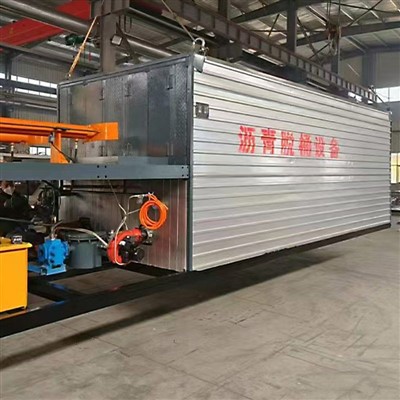
Hey there! I'm a supplier of Asphalt Melting Equipment, and today I wanna chat about the storage conditions required for this kind of equipment.
First off, let's understand why proper storage is so crucial. Asphalt melting equipment is a significant investment, and the way we store it can greatly impact its performance, lifespan, and overall efficiency. When the equipment is not in use, it's exposed to various environmental factors that can cause wear and tear, corrosion, and other issues if not stored correctly.
Temperature and Humidity
One of the most important aspects of storing asphalt melting equipment is controlling the temperature and humidity. Extreme temperatures can have a negative effect on the components of the equipment. High temperatures can cause the asphalt in the equipment to become too soft or even start to degrade. On the other hand, low temperatures can make the asphalt harden, which can put stress on the equipment when it's time to start it up again.
The ideal temperature range for storing asphalt melting equipment is between 10°C and 30°C (50°F and 86°F). This range helps to keep the asphalt in a stable state and prevents any damage to the equipment due to temperature - related expansion or contraction.
Humidity is also a big deal. High humidity can lead to corrosion of the metal parts of the equipment. Moisture in the air can cause rust to form on the tanks, pipes, and other metal components. To combat this, the storage area should have a relative humidity of less than 60%. If the humidity is higher, you might want to consider using dehumidifiers in the storage space.
Ventilation
Good ventilation is essential when storing asphalt melting equipment. Asphalt can release fumes, especially when it's at higher temperatures. These fumes can be harmful to both the equipment and anyone in the vicinity. Proper ventilation helps to remove these fumes from the storage area, reducing the risk of corrosion and ensuring a safe working environment.
The storage area should have enough vents or fans to ensure a continuous flow of fresh air. This not only helps with fume removal but also helps to control the temperature and humidity levels. You can check out our Asphalt Melting Equipment page to learn more about the equipment's ventilation requirements.
Cleanliness
Before storing the asphalt melting equipment, it's crucial to clean it thoroughly. Any leftover asphalt in the equipment can harden over time and cause blockages in the pipes and valves. It can also attract dirt and debris, which can further damage the equipment.
Start by draining all the asphalt from the tanks and pipes. Then, use appropriate cleaning agents to remove any residue. Make sure to clean all the internal and external surfaces of the equipment, including the heating elements, pumps, and filters. A clean piece of equipment is less likely to develop problems during storage.
Protection from Physical Damage
The storage area should be free from any potential sources of physical damage. This means keeping the equipment away from heavy machinery, vehicles, and other objects that could accidentally hit it. You can use barriers or fencing around the equipment to protect it.
If possible, store the equipment in a dedicated storage facility or a covered area. This will protect it from the elements, such as rain, snow, and hail. It also reduces the risk of vandalism and theft.
Electrical and Mechanical Components
When storing asphalt melting equipment, pay special attention to the electrical and mechanical components. Disconnect all the electrical connections to prevent any short - circuits or electrical damage. Make sure to label all the connections so that it's easy to reconnect them when the equipment is ready to be used again.
For the mechanical components, such as the pumps and motors, lubricate them according to the manufacturer's instructions. This helps to prevent rust and ensures smooth operation when the equipment is restarted.
Regular Inspections
Even when the equipment is in storage, it's important to conduct regular inspections. Check for any signs of damage, corrosion, or leaks. Look at the seals, gaskets, and hoses for any wear and tear. If you notice any issues, address them immediately to prevent further damage.
Inspections should be carried out at least once a month. This way, you can catch any problems early and take the necessary steps to fix them.


Storage of Spare Parts
If you have spare parts for the asphalt melting equipment, store them properly as well. Keep them in a dry, clean place and label them clearly. This makes it easy to find the parts when you need them for maintenance or repairs. You can refer to our Asphalt Melting Plant page for more information on spare parts management.
Special Considerations for Different Types of Equipment
There are different types of asphalt melting equipment, such as Asphalt Fast Melting Machine. Each type may have specific storage requirements. For example, fast - melting machines may have more sensitive heating elements that require extra care during storage. Make sure to follow the manufacturer's guidelines for the specific type of equipment you have.
In conclusion, proper storage conditions are vital for asphalt melting equipment. By controlling the temperature, humidity, and ventilation, keeping the equipment clean, protecting it from physical damage, and conducting regular inspections, you can ensure that your equipment stays in good condition and is ready to perform when you need it.
If you're in the market for high - quality asphalt melting equipment or have any questions about storage or maintenance, don't hesitate to reach out. We're here to help you make the most of your investment and ensure that your asphalt melting operations run smoothly.
References
- Industry standards for asphalt equipment storage
- Manufacturer's manuals for asphalt melting equipment