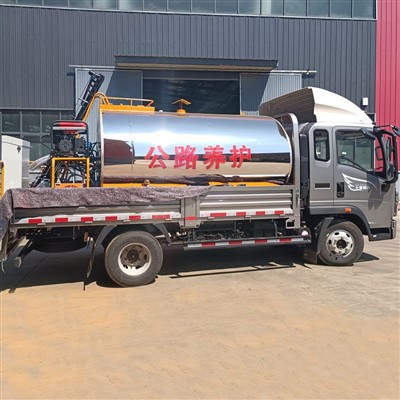
Yo, what's up everyone! I'm a provider of emulsion bitumen plants, and today I wanna chat about the environmental impact of these plants. Emulsion bitumen plants play a huge role in the construction industry, especially when it comes to road building and maintenance. But, like anything else, they come with their own set of environmental implications. So, let's dive right in and check out what these impacts are.
Air Pollution
One of the first things that come to mind when we talk about the environmental impact of an emulsion bitumen plant is air pollution. During the production process, these plants can release a variety of pollutants into the air. For instance, the heating and mixing of bitumen can result in the emission of volatile organic compounds (VOCs). These VOCs are not only harmful to the environment but can also pose health risks to people living and working nearby. They can react with other substances in the atmosphere to form ground - level ozone, which is a major component of smog.
Another pollutant is particulate matter (PM). PM consists of tiny particles that can be inhaled deep into the lungs, causing respiratory problems. In an emulsion bitumen plant, the handling and transfer of bitumen can generate dust, which contributes to the PM levels in the air. To address these air pollution issues, modern emulsion bitumen plants are equipped with advanced air pollution control systems. For example, we offer Emulsion Bitumen Equipment that comes with state - of - the - art filters and scrubbers to reduce the emission of VOCs and PM.
Water Pollution
Water pollution is also a significant concern associated with emulsion bitumen plants. To begin with, the cleaning of equipment and tanks can result in the discharge of wastewater containing bitumen, chemicals, and other contaminants. If this wastewater is not properly treated before being released into water bodies, it can have a detrimental impact on aquatic life. The bitumen can form a layer on the water surface, preventing oxygen from dissolving into the water, which can lead to the suffocation of fish and other aquatic organisms.
Moreover, the chemicals used in the emulsification process, such as emulsifiers and stabilizers, can be toxic to water life. To mitigate water pollution, our Asphalt Emulsion Equipment includes efficient wastewater treatment systems. These systems are designed to remove bitumen, chemicals, and other pollutants from the wastewater before it is discharged. This helps to ensure that the water released from the plant meets environmental standards.
Noise Pollution
Let's not forget about noise pollution. Emulsion bitumen plants are busy places with a lot of machinery running all the time. The pumps, mixers, and compressors can generate a significant amount of noise. This noise can be a nuisance to nearby residents, as well as to the workers in the plant. Prolonged exposure to high - level noise can lead to hearing loss and other health problems.
To deal with noise pollution, we've designed our plants to be as quiet as possible. We use noise - reducing materials in the construction of the equipment and also install noise barriers around the plant. Our Modified Emulsified Asphalt Complete Equipment is engineered to operate with minimized noise levels, ensuring a more comfortable working and living environment.
Energy Consumption
Energy consumption is yet another environmental factor related to emulsion bitumen plants. The heating of bitumen to the required temperature for emulsification is a energy - intensive process. Bitumen needs to be heated to a relatively high temperature to make it flowable and suitable for mixing with water and other additives. This usually involves the use of fossil fuels, such as natural gas or diesel, which contribute to greenhouse gas emissions.
However, we are constantly looking for ways to make our plants more energy - efficient. For example, we've incorporated advanced insulation materials in our equipment to reduce heat loss during the heating process. We also offer the option of using renewable energy sources, such as solar or biomass, to power the plant. By reducing energy consumption and greenhouse gas emissions, we're contributing to a more sustainable future.
Waste Management
Last but not least, waste management is a crucial aspect of the environmental impact of emulsion bitumen plants. Apart from the wastewater and air pollutants mentioned earlier, there is also solid waste generated by the plant. This includes used filters, packaging materials, and leftover bitumen. Improper disposal of these waste materials can lead to environmental degradation.

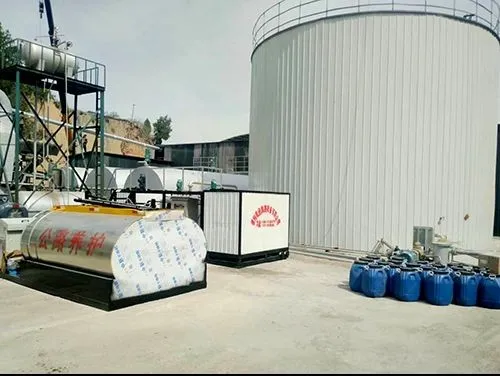
To handle waste management effectively, we have a comprehensive waste management plan in place. We encourage the recycling and reuse of waste materials as much as possible. For instance, used filters can be recycled or properly disposed of at specialized facilities. And, any leftover bitumen can be reused in future production runs.
Overall, while emulsion bitumen plants do have some environmental impacts, with the right technology and management strategies, these impacts can be significantly reduced. As a supplier of emulsion bitumen plants, we're committed to providing high - quality equipment that not only meets the needs of the construction industry but also helps to protect the environment.
If you're in the market for an emulsion bitumen plant and want to learn more about our products and how they can minimize environmental impact, don't hesitate to reach out to us. Whether you're a small - scale contractor or a large construction company, we've got the right solution for you. Let's work together to build a greener and more sustainable future!
References
- American Petroleum Institute. (2005). Environmental Best Practices for Asphalt Production Facilities.
- European Union. (2010). Directive on Industrial Emissions.
- World Health Organization. (2018). Air Quality Guidelines.