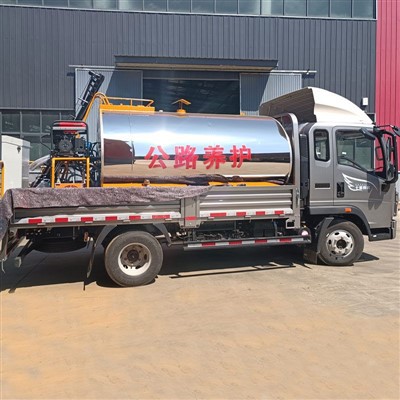
Hey there! As a supplier of emulsion asphalt plants, I've seen firsthand how crucial water quality is to the whole process. You might not think water plays that big of a role, but trust me, it's super important. In this blog, I'm gonna break down the water quality requirements for an emulsion asphalt plant.
Why Water Quality Matters in Emulsion Asphalt Production
First off, let's talk about why water quality is such a big deal. In an emulsion asphalt plant, water is used to create the emulsion itself. It acts as the continuous phase in which the bitumen droplets are dispersed. If the water isn't up to par, it can mess with the stability, performance, and overall quality of the emulsion.
For instance, if the water has a high level of impurities like salts, minerals, or organic matter, it can cause the bitumen droplets to clump together. This leads to an unstable emulsion, which might break down prematurely. And that's bad news because you end up with an asphalt product that doesn't perform as it should on the roads.
Physical Properties of Water
Let's start with the physical properties of water. The temperature of the water is important. Ideally, the water used in an emulsion asphalt plant should be at a consistent temperature. If the water is too cold, it can make it difficult to break up the bitumen into small droplets during the emulsification process. On the other hand, if the water is too hot, it can cause the emulsion to evaporate too quickly or even damage some of the additives.
The turbidity of the water is another factor. Turbidity refers to how clear the water is. High turbidity means the water has a lot of suspended particles. These particles can interfere with the emulsification process and also affect the long - term stability of the emulsion. So, it's best to use water with low turbidity.
Chemical Composition
Now, let's dive into the chemical composition of water. One of the most important aspects is the pH level. The pH of the water can significantly impact the emulsification process. Most emulsion asphalt plants require water with a pH in the slightly acidic to neutral range. A pH that's too high or too low can cause the bitumen droplets to coalesce, leading to an unstable emulsion.
Salts and minerals in the water can also cause problems. For example, high levels of calcium and magnesium ions can react with the emulsifiers used in the process. This reaction can reduce the effectiveness of the emulsifiers and make it harder to form a stable emulsion. Chloride ions, on the other hand, can accelerate corrosion in the equipment of the emulsion asphalt plant.
Organic matter in the water can also be a problem. Some organic compounds can react with the bitumen or the additives, changing the properties of the emulsion. For example, humic acids in the water can cause the emulsion to darken and may also affect its adhesion properties.
Microbiological Contamination
Microbiological contamination is another factor to consider. Bacteria, fungi, and other microorganisms in the water can grow and multiply in the emulsion asphalt plant. This can lead to a variety of problems. For example, some bacteria produce enzymes that can break down the bitumen or the emulsifiers. This can cause the emulsion to become unstable and reduce its shelf life.
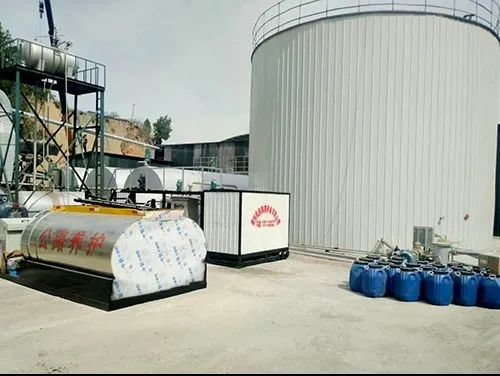

To prevent microbiological contamination, it's important to treat the water before using it in the plant. This might involve using disinfectants or filtration systems to remove or kill the microorganisms.
Water Treatment for Emulsion Asphalt Plants
Given all these water quality requirements, it's clear that water treatment is essential for an emulsion asphalt plant. There are several processes that can be used to treat the water.
Filtration is a common method. It can remove suspended particles, such as sand, silt, and organic debris, from the water. This helps to reduce turbidity and prevent these particles from interfering with the emulsification process.
Reverse osmosis is another effective water treatment method. It can remove salts, minerals, and many other dissolved impurities from the water. This is particularly useful if the water source has a high level of total dissolved solids (TDS).
Chemical treatment can also be used to adjust the pH of the water and remove specific contaminants. For example, adding acids or alkalis can adjust the pH to the desired range, while chelating agents can be used to bind and remove metal ions.
Impact of Water Quality on Equipment
Poor water quality not only affects the quality of the emulsion but also has an impact on the equipment in the emulsion asphalt plant. As mentioned earlier, chloride ions in the water can cause corrosion in the pipes, pumps, and tanks. This can lead to leaks, reduced efficiency, and increased maintenance costs.
Deposits can also form in the equipment if the water has a high level of minerals. These deposits can clog pipes and reduce the flow of the emulsion and water through the plant. This can slow down the production process and may even require the equipment to be shut down for cleaning.
Importance of Regular Water Testing
To ensure that the water quality meets the requirements of the emulsion asphalt plant, regular water testing is essential. You should test the water for physical properties like temperature and turbidity, chemical composition such as pH, salts, and minerals, and microbiological contamination.
By regularly testing the water, you can catch any issues early on and take corrective actions. This might involve adjusting the water treatment process or changing the water source if necessary.
Conclusion
So, as you can see, water quality is a crucial factor in an emulsion asphalt plant. From the physical properties to the chemical and microbiological composition, every aspect of the water can impact the quality of the emulsion and the performance of the equipment.
If you're in the market for an emulsion asphalt plant or need to upgrade your current one, make sure to consider the water quality requirements. At our company, we offer top - notch Emulsion Bitumen Equipment and Asphalt Emulsion Equipment designed to work efficiently with high - quality water. We also have a great Asphalt Emulsion Production Line that can help you produce high - quality asphalt emulsion.
If you have any questions about water quality requirements, our equipment, or how to optimize your asphalt emulsion production, don't hesitate to reach out. We're here to help you get the most out of your emulsion asphalt plant. Contact us today to start the procurement discussion and take your asphalt production to the next level.
References
- ASTM (American Society for Testing and Materials) standards on water quality for industrial processes.
- Technical literature from leading emulsion asphalt plant manufacturers.
- Research papers on the impact of water quality on asphalt emulsion production.