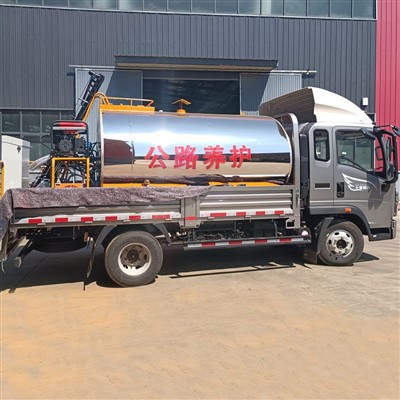
As a reputable supplier of asphalt distributors, I often encounter inquiries from clients about the insulation performance of these machines. In this blog post, I'll delve into the intricacies of asphalt distributor insulation, explaining its significance, the factors that influence it, and how our products stand out in this regard.
The Significance of Insulation in Asphalt Distributors
Asphalt is a high - viscosity material that needs to be maintained at a specific temperature range to ensure proper spraying and application. If the temperature of the asphalt drops too much, its viscosity increases, which can lead to uneven spraying, clogged nozzles, and ultimately, poor pavement quality. This is where insulation plays a crucial role.
Effective insulation in an asphalt distributor helps to maintain a stable temperature of the asphalt inside the tank. It reduces heat loss to the surrounding environment, especially during long - distance transportation or when the machine is idle for an extended period. This means that the asphalt remains in a workable state, allowing for consistent and high - quality application on the road surface.
Factors Affecting Insulation Performance
Insulation Material
The choice of insulation material is one of the most critical factors. High - quality insulation materials have low thermal conductivity, which means they are less likely to transfer heat. Common insulation materials used in asphalt distributors include fiberglass, polyurethane foam, and mineral wool.
Fiberglass is a popular choice due to its relatively low cost and good insulation properties. It consists of fine glass fibers that trap air, creating a barrier against heat transfer. Polyurethane foam, on the other hand, offers excellent insulation performance. It has a very low thermal conductivity and can be molded to fit the shape of the asphalt tank, providing a seamless insulation layer. Mineral wool is also a reliable option, known for its fire - resistance and durability.
Insulation Thickness
The thickness of the insulation layer directly impacts its performance. A thicker insulation layer generally provides better heat retention. However, there is a balance to be struck, as increasing the thickness also adds weight to the asphalt distributor, which can affect its fuel efficiency and maneuverability. Our engineers carefully calculate the optimal insulation thickness based on the size of the tank, the expected operating conditions, and the type of asphalt being used.

Tank Design
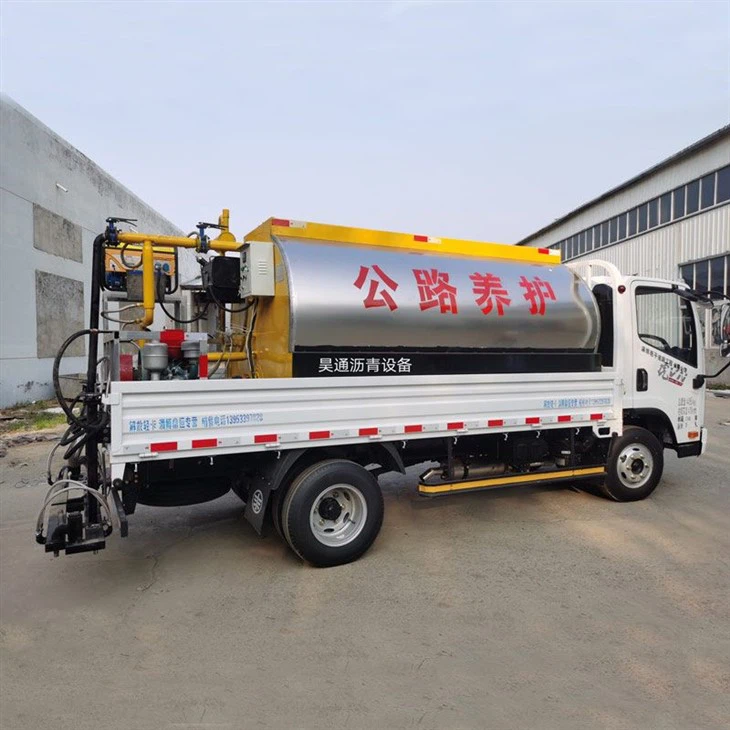
The design of the asphalt tank also influences insulation performance. A well - designed tank minimizes heat transfer through its structure. For example, double - walled tanks are often used in our asphalt distributors. The space between the two walls is filled with insulation material, creating an additional barrier against heat loss. Additionally, the shape of the tank can affect how heat is distributed. A rounded or cylindrical tank design reduces the surface area exposed to the environment, which helps to minimize heat loss.
Our Asphalt Distributors' Insulation Performance
At our company, we take pride in the insulation performance of our asphalt distributors. We use high - grade insulation materials to ensure maximum heat retention. Our Asphalt Distributor Tank is designed with a double - walled structure, filled with high - density polyurethane foam insulation. This combination provides exceptional insulation, keeping the asphalt at the desired temperature for extended periods.
Our Intelligent Asphalt Distributor is equipped with advanced temperature control systems in addition to top - notch insulation. These systems continuously monitor the asphalt temperature and can adjust the heating elements as needed to maintain a consistent temperature. This intelligent feature, combined with excellent insulation, ensures that the asphalt is always in the optimal state for spraying.
Our Asphalt Distributor Truck models are also engineered with insulation in mind. The tanks are insulated to prevent heat loss during transportation, even in harsh weather conditions. This allows our clients to transport asphalt over long distances without worrying about the asphalt's temperature dropping too much.
Testing and Quality Assurance
We subject our asphalt distributors to rigorous testing to ensure their insulation performance meets the highest standards. Our testing procedures include simulating different operating conditions, such as extreme temperatures and long - term storage. We measure the temperature change of the asphalt inside the tank over time to evaluate the effectiveness of the insulation.
In addition to performance testing, we also conduct quality control checks on the insulation materials and the manufacturing process. This ensures that every asphalt distributor leaving our factory is of the highest quality and provides reliable insulation performance.
Conclusion
The insulation performance of an asphalt distributor is a critical factor that directly affects the quality of asphalt application. By understanding the factors that influence insulation, such as the insulation material, thickness, and tank design, clients can make informed decisions when choosing an asphalt distributor.
Our company is committed to providing asphalt distributors with superior insulation performance. Our products are designed and manufactured using the latest technologies and high - quality materials to ensure that the asphalt remains at the optimal temperature throughout the application process.
If you are in the market for an asphalt distributor and are interested in learning more about our products' insulation performance or would like to discuss your specific requirements, we invite you to contact us. Our team of experts is ready to assist you in finding the perfect asphalt distributor for your needs. Let's work together to achieve high - quality asphalt paving projects.
References
- “Thermal Insulation Materials and Systems” by the American Society of Heating, Refrigerating and Air - Conditioning Engineers (ASHRAE).
- “Pavement Materials and Construction” by the Transportation Research Board.