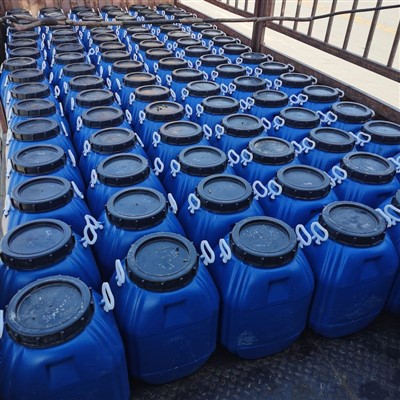
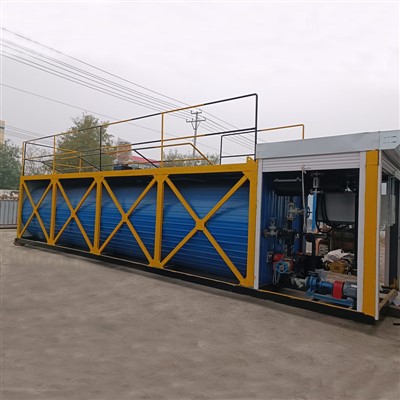
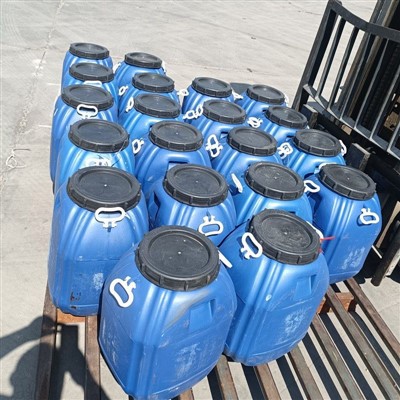
Selecting the right emulsifier for a bitumen emulsion plant is crucial, and as a bitumen emulsion plant supplier, I've seen firsthand how this choice can make or break a project. In this blog, I'll share some tips on how to pick the appropriate emulsifier for your bitumen emulsion plant.
Understanding Bitumen Emulsions
First off, let's quickly go over what bitumen emulsions are. Bitumen emulsions are a mixture of bitumen (a thick, sticky substance), water, and an emulsifier. The emulsifier plays a key role here. It helps keep the bitumen droplets evenly dispersed in the water, preventing them from clumping together. This is super important because a well - made bitumen emulsion can be used in a variety of applications, like road construction, waterproofing, and tack coating.
Factors to Consider When Selecting an Emulsifier
Type of Bitumen
The type of bitumen you're using in your plant is a major factor. Different bitumens have different chemical compositions and properties. For example, penetration - graded bitumen and polymer - modified bitumen have different viscosities and chemical reactivities. You need an emulsifier that can work well with the specific type of bitumen you have. Some emulsifiers are better suited for softer bitumens, while others work great with more viscous, polymer - modified ones. If you're using a polymer - modified bitumen, you might want to check out our Modified Asphalt Emulsification Equipment, which is designed to handle these more complex bitumens.
Application of the Bitumen Emulsion
What you're going to use the bitumen emulsion for also matters a lot. If it's for road construction, you'll need an emulsifier that can create a stable emulsion that can withstand traffic loads and environmental conditions. For waterproofing applications, the emulsion needs to have good adhesion and flexibility. For tack coating, it should have quick setting properties. So, think about the end - use of your bitumen emulsion and choose an emulsifier accordingly.
Emulsion Stability
Stability is key when it comes to bitumen emulsions. You don't want the bitumen to separate from the water too quickly. The emulsifier you choose should be able to keep the bitumen droplets dispersed in the water for an appropriate amount of time. This can be affected by factors like temperature, pH, and the presence of other additives. Some emulsifiers are more stable at higher temperatures, while others work better in a specific pH range. You'll need to test different emulsifiers to find the one that gives you the best stability for your specific operating conditions.

Setting Time
The setting time of the bitumen emulsion is another important consideration. Depending on your application, you might need a fast - setting or a slow - setting emulsion. For example, in some road construction projects, a fast - setting emulsion is preferred so that traffic can resume quickly. On the other hand, in some waterproofing applications, a slower - setting emulsion might be better to allow for proper application and adhesion. The emulsifier can have a big impact on the setting time. Some emulsifiers are designed to promote fast setting, while others are for slower setting.
Cost - Effectiveness
Let's face it, cost is always a factor in any business. You want to find an emulsifier that gives you good performance at a reasonable price. But don't just go for the cheapest option. A low - cost emulsifier might not give you the quality and stability you need, which could end up costing you more in the long run due to rework or poor - quality products. Look for a balance between cost and performance.
Testing Different Emulsifiers
Once you've considered all these factors, it's time to test different emulsifiers. You can't just rely on the manufacturer's claims. You need to run your own tests in your bitumen emulsion plant. Here's how you can do it:
Small - Scale Tests
Start with small - scale tests. Take a small amount of your bitumen and water, and add different emulsifiers in varying concentrations. Mix them in a small container and observe the properties of the resulting emulsions. Look at things like stability, particle size, and setting time. You can also test the adhesion and other performance properties depending on your application.
Pilot - Plant Tests
After the small - scale tests, move on to pilot - plant tests. Our Bitumen Emulsion Plant is great for these kinds of tests. It allows you to produce bitumen emulsions on a slightly larger scale, more similar to your actual production conditions. This will give you a better idea of how the emulsifier will perform in a real - world production environment.
Working with Emulsifier Manufacturers
Don't be afraid to reach out to emulsifier manufacturers. They can be a great source of information. They can tell you about the properties of their emulsifiers, how they work with different bitumens, and any special considerations for your application. Many manufacturers also offer technical support and can help you with testing and troubleshooting.
Our Equipment and Support
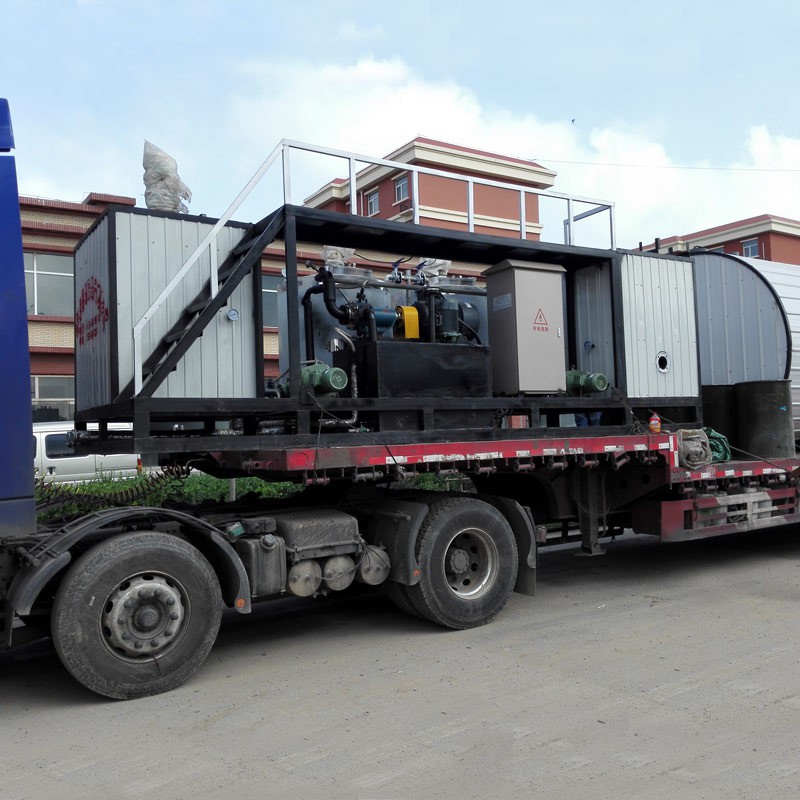
As a bitumen emulsion plant supplier, we offer a range of equipment, including Fully Automatic Emulsified Asphalt Equipment. Our equipment is designed to work well with different types of emulsifiers and bitumens. We also provide support to help you select the right emulsifier for your plant. Whether you're a small - scale operation or a large - scale production facility, we can assist you in finding the best emulsifier for your needs.
Conclusion
Selecting the appropriate emulsifier for your bitumen emulsion plant is a complex but important process. It requires careful consideration of factors like the type of bitumen, application, stability, setting time, and cost - effectiveness. By testing different emulsifiers, working with manufacturers, and using the right equipment, you can find the emulsifier that will give you the best results.
If you're interested in learning more about our bitumen emulsion plants or need help with emulsifier selection, don't hesitate to get in touch. We're here to help you make the right choices for your business and ensure the success of your bitumen emulsion production.
References
- Asphalt Institute. (Year). "Bitumen Emulsion Technology."
- ASTM International. (Year). "Standards for Bitumen Emulsions and Related Products."