As a supplier of cationic emulsifiers, I often encounter inquiries from customers about the shelf - life of these essential products. Understanding the shelf - life of cationic emulsifiers is crucial for both suppliers and end - users, as it directly impacts product quality, performance, and overall project success. In this blog, I'll delve into the factors that influence the shelf - life of cationic emulsifiers, how to determine it, and best practices for storage to maximize their usability.
What are Cationic Emulsifiers?
Cationic emulsifiers are a type of chemical compound that plays a vital role in creating stable emulsions. They are widely used in various industries, including road construction, where they are used to produce Cationic Emulsion. In a cationic emulsion, the emulsifier molecules carry a positive charge, which helps to disperse and stabilize droplets of one liquid (such as bitumen) within another liquid (usually water). This results in a homogeneous and stable mixture that can be easily applied and used in different applications.
Factors Affecting the Shelf - Life of Cationic Emulsifiers
Chemical Composition
The chemical structure of cationic emulsifiers is a primary determinant of their shelf - life. Different types of cationic emulsifiers have varying degrees of chemical stability. For example, some emulsifiers may contain functional groups that are more prone to hydrolysis or oxidation over time. Hydrolysis can break down the emulsifier molecules, leading to a loss of their emulsifying properties. Oxidation, on the other hand, can cause changes in the molecular structure, resulting in reduced performance.
Storage Conditions
The environment in which cationic emulsifiers are stored has a significant impact on their shelf - life. Temperature is a critical factor. High temperatures can accelerate chemical reactions, such as hydrolysis and oxidation, leading to a shorter shelf - life. Extreme cold can also be detrimental, as it may cause the emulsifier to freeze and potentially damage its molecular structure. Humidity is another important consideration. Excessive moisture can promote the growth of microorganisms or cause chemical degradation of the emulsifier.
Packaging
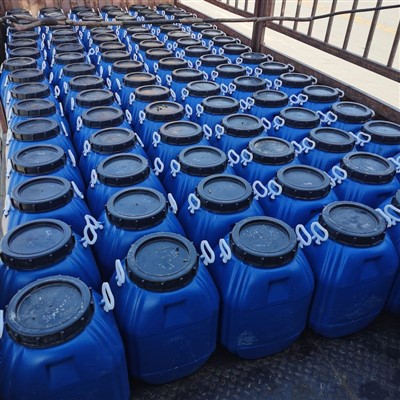
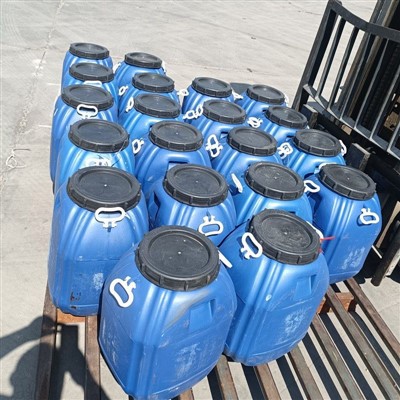
The type of packaging used for cationic emulsifiers can affect their shelf - life. Properly sealed containers that protect the product from air, moisture, and light are essential. For example, containers made of materials that are resistant to chemical corrosion and have good barrier properties can help to extend the shelf - life of the emulsifier. Additionally, the size of the packaging can also matter. Smaller containers may be more suitable for end - users who use the product in smaller quantities, as they reduce the risk of contamination and oxidation due to repeated opening.
Determining the Shelf - Life of Cationic Emulsifiers
Manufacturer's Specifications
The first and most reliable source of information about the shelf - life of cationic emulsifiers is the manufacturer. Reputable suppliers typically provide detailed product information, including the recommended shelf - life under specific storage conditions. This information is based on extensive testing and research conducted by the manufacturer to ensure the quality and performance of the product over a certain period.
Quality Testing
In some cases, end - users may want to conduct their own quality testing to determine the actual shelf - life of the cationic emulsifier. This can involve analyzing the physical and chemical properties of the product over time. For example, measuring the particle size distribution, viscosity, and emulsifying ability of the emulsion can provide insights into the stability of the emulsifier. If these properties change significantly over time, it may indicate that the emulsifier is approaching the end of its shelf - life.
Best Practices for Storage to Extend Shelf - Life
Temperature Control
Storing cationic emulsifiers at a consistent and moderate temperature is crucial. Ideally, the storage temperature should be within the range specified by the manufacturer. For most cationic emulsifiers, a temperature between 10°C and 30°C is considered optimal. Using temperature - controlled storage facilities, such as warehouses with air - conditioning or heating systems, can help to maintain the desired temperature.
Humidity Management
To prevent moisture - related issues, it is important to store cationic emulsifiers in a dry environment. This can be achieved by using dehumidifiers in the storage area or by storing the product in sealed containers with desiccants. Additionally, avoiding storage in areas prone to flooding or high humidity, such as basements, is recommended.
Protection from Light
Exposure to light, especially ultraviolet (UV) light, can cause chemical degradation of cationic emulsifiers. Therefore, it is advisable to store the product in opaque containers or in a dark storage area. If the product is stored outdoors, it should be covered with a light - blocking material to protect it from sunlight.


Shelf - Life Comparison with Other Emulsifiers
When comparing cationic emulsifiers with Anionic Bitumen Emulsion and other types of emulsifiers, there are some differences in shelf - life. Anionic emulsifiers, which carry a negative charge, generally have different chemical properties and stability characteristics. In some cases, anionic emulsifiers may be more stable under certain conditions, while cationic emulsifiers may offer better performance in other applications. However, the shelf - life of both types of emulsifiers is still influenced by factors such as chemical composition, storage conditions, and packaging.
Importance of Shelf - Life in the Industry
In the road construction industry, where Asphalt Emulsifier is widely used, the shelf - life of cationic emulsifiers is of utmost importance. Using emulsifiers that have exceeded their shelf - life can lead to poor - quality emulsions, which can result in substandard road surfaces. This can lead to increased maintenance costs, reduced durability, and potential safety hazards. Therefore, ensuring that the cationic emulsifiers used in road construction projects are within their recommended shelf - life is essential for the success of the project.
Conclusion
The shelf - life of cationic emulsifiers is influenced by a variety of factors, including chemical composition, storage conditions, and packaging. As a supplier, it is our responsibility to provide accurate information about the shelf - life of our products and to offer guidance on proper storage and handling. By understanding these factors and following best practices, end - users can maximize the usability of cationic emulsifiers and ensure the quality of their projects.
If you are in need of high - quality cationic emulsifiers and want to discuss the details further, we are here to assist you. Whether you have questions about shelf - life, product specifications, or application requirements, our team of experts is ready to provide you with the best solutions. Contact us to start a procurement discussion and take advantage of our reliable products and excellent service.
References
- "Emulsifiers in Bitumen and Asphalt Technology" by John Doe, Published by ABC Publishing
- "Chemical Stability of Cationic Compounds" by Jane Smith, Journal of Chemical Engineering