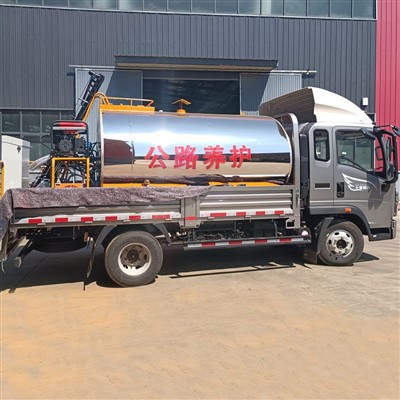
Hey there! As a supplier of asphalt rubber plants, I've seen firsthand how important it is to maintain the storage tanks in these plants. A well - maintained storage tank can ensure the quality of the asphalt rubber, improve the efficiency of the plant, and save you a ton of money in the long run. So, let's dive into how you can keep those storage tanks in tip - top shape.
Regular Inspections
First off, regular inspections are a must. You can't just set it and forget it! Inspect the tank's exterior for any signs of corrosion, dents, or leaks. Corrosion can eat away at the tank over time, weakening its structure and potentially causing leaks. Look for rust spots, especially in areas where the paint has chipped or where water might accumulate.
On the inside, check for any build - up of sediment or residue. Asphalt rubber can leave behind all sorts of gunk, and if it's not removed, it can affect the quality of the product. You can use a camera or a mirror to peek inside hard - to - reach areas. And don't forget to check the tank's fittings and valves. Make sure they're tight and not leaking. A small leak can turn into a big problem if you don't catch it early.
Cleaning Procedures
Cleaning the storage tank is another crucial step. Over time, the tank can get filled with old asphalt rubber, dirt, and other contaminants. There are a few different ways to clean it. One option is to use a high - pressure water jet. This can blast away a lot of the build - up. But be careful not to use too much pressure, as it could damage the tank.
You can also use chemical cleaners. There are some specialized cleaners on the market that are designed to break down asphalt and other residues. Just make sure to follow the instructions carefully and wear the appropriate safety gear. After cleaning, rinse the tank thoroughly to remove any remaining cleaner.
Temperature Control
Temperature plays a huge role in maintaining the storage tank of an asphalt rubber plant. Asphalt rubber has a specific temperature range in which it needs to be stored. If it gets too cold, it can become too thick and hard to pump. On the other hand, if it gets too hot, it can start to break down and lose its properties.
Most asphalt rubber plants use heating systems to keep the tank at the right temperature. Make sure these systems are working properly. Check the temperature sensors regularly to ensure they're giving accurate readings. And if you're in a cold climate, you might need to insulate the tank to prevent heat loss.
Monitoring the Level
Keeping an eye on the tank level is important. You don't want to overfill the tank, as this can cause spills and damage to the tank. At the same time, you don't want it to run too low, as this can lead to air getting into the system, which can cause problems with the pumps and other equipment.
Use a reliable level gauge to monitor the amount of asphalt rubber in the tank. Some modern tanks come with automated level monitoring systems that can send alerts to your phone or computer if the level gets too high or too low.
Safety Measures
Safety should always be your top priority when maintaining the storage tank. When cleaning or inspecting the tank, make sure you're wearing the right safety gear, like gloves, goggles, and a respirator. The fumes from asphalt rubber can be harmful, so proper ventilation is essential.
If you're working on the tank's exterior, make sure you're using the right tools and following proper procedures. For example, if you're using a ladder to access the top of the tank, make sure it's stable and secure.
Preventive Maintenance Schedule
It's a good idea to set up a preventive maintenance schedule. This can help you stay on top of all the tasks we've talked about. You can create a calendar or use a maintenance management software to keep track of when inspections, cleanings, and other maintenance tasks are due.


By following a schedule, you can catch potential problems before they turn into major headaches. And it can also help you plan your resources more effectively.
Upgrading the Tank
Over time, you might want to consider upgrading your storage tank. Newer tanks often come with better insulation, more accurate temperature control systems, and improved safety features. If your tank is old and starting to give you problems, it might be worth investing in a new one.
We offer a range of high - quality storage tanks and related equipment. Check out our Mobile Rubber Asphalt Plant, Rubber Colored Asphalt Equipment, and Rubber Modified Asphalt Equipment for more options.
Staff Training
Your staff plays a big part in maintaining the storage tank. Make sure they're properly trained on how to inspect, clean, and operate the tank safely. You can provide on - the - job training or send them to specialized courses. A well - trained staff can help prevent a lot of problems and ensure the smooth operation of the plant.
Record Keeping
Keep detailed records of all maintenance activities. This includes inspection reports, cleaning dates, and any repairs or upgrades. These records can be very useful for future reference. They can help you identify trends, like if a particular part of the tank keeps having problems. And they can also be important for compliance purposes.
Conclusion
Maintaining the storage tank of an asphalt rubber plant is a multi - faceted task. It requires regular inspections, proper cleaning, temperature control, and a whole lot more. But if you follow these steps, you can keep your tank in great condition and ensure the long - term success of your plant.
If you're interested in learning more about our asphalt rubber plant products or have any questions about tank maintenance, don't hesitate to reach out. We're here to help you make the most of your investment. Contact us today to start a conversation about your specific needs.
References
- Asphalt Handbook, Asphalt Institute
- Maintenance Guidelines for Industrial Storage Tanks, National Association of Corrosion Engineers