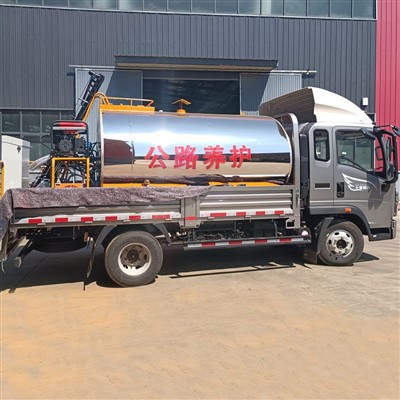
Hey there! I'm a supplier of Asphalt Distributor Trucks, and today I'm gonna talk about how these awesome machines ensure the proper mixing of asphalt additives.
First off, let's understand why mixing asphalt additives is so important. Asphalt additives can enhance the performance of asphalt in many ways. They can improve its durability, resistance to weather conditions, and adhesion properties. But if they're not mixed properly, all these benefits go down the drain.
One of the key components in an Asphalt Distributor Truck that helps with mixing is the Asphalt Distributor Tank. This tank is where the asphalt and additives are initially stored and start the mixing process. It's designed in a way that allows for efficient blending.
The tank usually has a heating system. This is crucial because asphalt is a thick, viscous material at normal temperatures. By heating it, we lower its viscosity, making it easier to mix with the additives. The heating system needs to be carefully controlled to maintain the right temperature. If it's too hot, the asphalt can break down and lose its properties. If it's too cold, the mixing won't be effective.
Inside the tank, there are also agitators. These are like big paddles that spin around and stir the asphalt and additives together. The agitators are powered by a motor, and their speed can be adjusted depending on the type of asphalt and additives being used. For example, if we're using a more viscous additive, we might need to increase the agitator speed to ensure a good mix.
Once the initial mixing in the tank is done, the mixture moves on to the distribution system. There are different types of Asphalt Distributor Trucks, like the Standard Asphalt Distributor and the Automatic Asphalt Distributor.
In a Standard Asphalt Distributor, the operator has more control over the distribution process. They can adjust the flow rate of the asphalt mixture, which also affects the mixing. By carefully controlling the flow, they can make sure that the additives are evenly distributed as the asphalt is being laid.
On the other hand, an Automatic Asphalt Distributor uses sensors and computer systems to control the distribution. These systems can monitor things like the temperature, flow rate, and pressure of the asphalt mixture. Based on this data, they can automatically adjust the mixing process to ensure that the additives are properly mixed.
Another important factor in ensuring proper mixing is the type of additives being used. There are different kinds of asphalt additives, such as polymers, fibers, and anti - stripping agents. Each type has its own characteristics and mixing requirements.
Polymers, for example, need to be dispersed evenly throughout the asphalt. To do this, the mixing process might need to be longer and more intense. The agitators in the tank need to work hard to break up the polymer particles and blend them with the asphalt.
Fibers are added to improve the strength of the asphalt. They can be a bit tricky to mix because they tend to clump together. Special mixing techniques, like pre - wetting the fibers or using a high - shear mixer, might be required to ensure that they are evenly distributed.
Anti - stripping agents are used to improve the adhesion between the asphalt and the aggregates. These agents need to be thoroughly mixed with the asphalt so that they can coat the aggregates effectively.
The quality of the raw materials also plays a role in the mixing process. If the asphalt or the additives are of poor quality, it can be more difficult to achieve a proper mix. We always make sure to source high - quality materials for our Asphalt Distributor Trucks to ensure the best results.
Maintenance of the Asphalt Distributor Truck is also crucial. Regular cleaning of the tank, agitators, and distribution system is necessary to prevent the build - up of old asphalt and additives. This build - up can affect the mixing process and the performance of the truck.
We also perform regular inspections of the heating system, motors, and sensors to make sure they are all working properly. A malfunctioning component can lead to improper mixing and other problems.
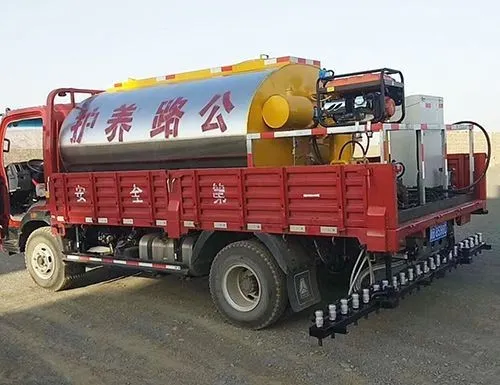
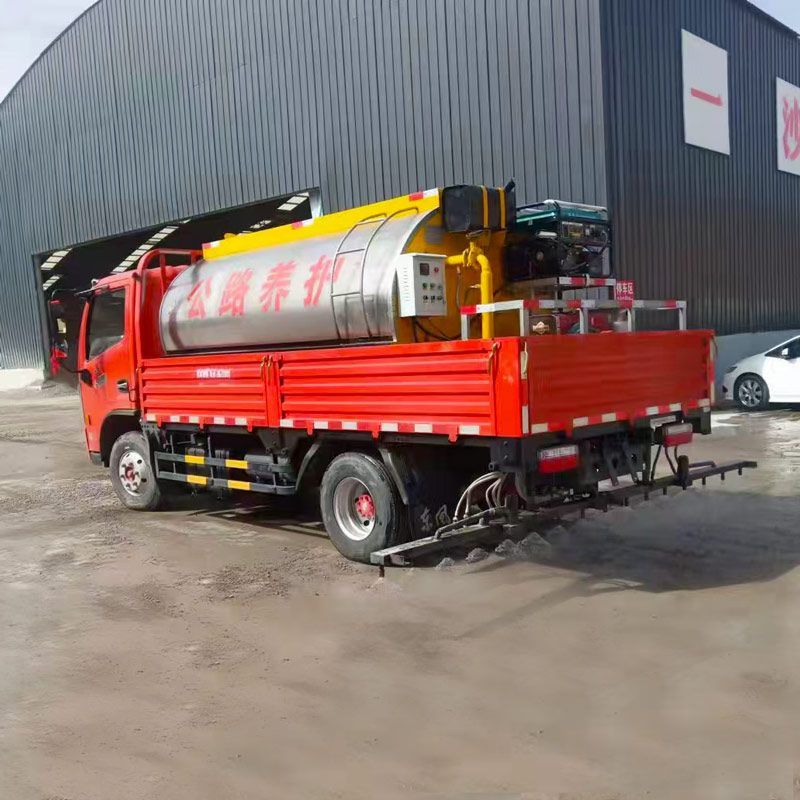
In conclusion, ensuring the proper mixing of asphalt additives in an Asphalt Distributor Truck is a complex process that involves many factors. From the design of the tank and the distribution system to the type of additives and the quality of the raw materials, everything needs to be carefully considered.
If you're in the market for an Asphalt Distributor Truck and want to ensure that you get a machine that can properly mix asphalt additives, we're here to help. We've got a wide range of trucks, including the Standard Asphalt Distributor and the Automatic Asphalt Distributor, that are designed to meet your needs. Contact us to start a discussion about your requirements and let's work together to find the perfect solution for your asphalt mixing needs.
References
- "Asphalt Paving Handbook" - Asphalt Institute
- "Mixing and Compaction of Asphalt Mixtures" - National Asphalt Pavement Association