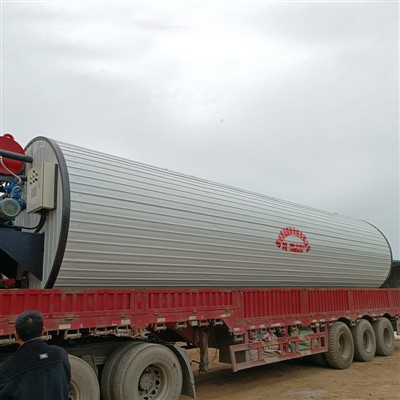
There are three main methods for heating Bitumen Tanks, each suitable for different scenarios.
The first is coal-fired heating, which generates heat by burning coal and transfers it to the asphalt through pipes. This method is low-cost, but it is slow to heat and produces smoke and dust emissions. It is now rarely used in many places with strict environmental protection requirements and is more suitable for smaller construction sites with less stringent environmental requirements.
The second is oil-fired heating, which uses diesel or heavy oil as fuel and heats the asphalt through a burner. It heats faster than coal-fired heating and is easier to control the temperature, but the fuel cost is higher than coal. It is suitable for small and medium-sized asphalt tanks, such as those commonly used in mobile Bitumen Tanks.
The third is electric heating, which directly heats the asphalt through electric heating pipes inside the tank. This method is the cleanest, pollution-free, and provides uniform heating and precise temperature control. However, it consumes more electricity and has higher operating costs. It is suitable for small-capacity, electricity-efficient applications, such as small asphalt tanks used in laboratories.
Another method is thermal oil heating, which first heats the thermal oil and then circulates the hot oil to heat the asphalt. This is suitable for large, fixed Bitumen Tanks, providing stable heating and preventing local overheating.