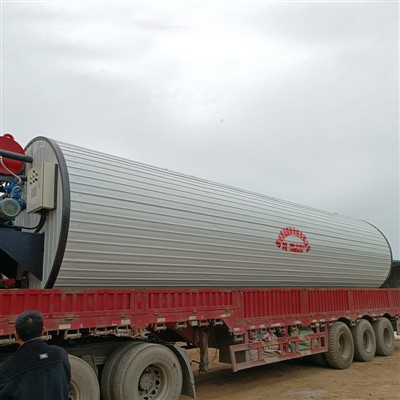
The production efficiency of Asphalt Rubber Plant is directly linked to construction schedule and cost. It is influenced by multiple factors, including equipment, raw materials, automation level, and operational management, requiring comprehensive consideration.
The performance of core equipment components is the foundation of efficiency. In the mixing system, blade wear and agglomeration in the mixing chamber can lead to uneven mixing of rubber powder and asphalt, increasing mixing time and even causing downtime. Mismatched heating system power and aging components can slow the asphalt heating process, forcing equipment speed reduction. Feed pump flow stability and screening device filtration efficiency can also restrict production capacity by affecting material transportation and impurity removal.
Raw material properties and pretreatment have a significant impact. Uneven rubber powder particle size can prolong mixing time, and moisture content exceeding 3% can generate moisture and delay work. The base asphalt viscosity must be adapted to the equipment; otherwise, feeding becomes difficult or poorly combined, reducing efficiency.
The level of equipment automation is crucial. New Asphalt Rubber Plant with automatic temperature control and intelligent dosing systems can reduce manual errors and avoid rework. Older equipment relies on manual adjustments, which is time-consuming and prone to parameter fluctuations, impacting continuous production.
Operation and maintenance management play a key role. Failure to follow procedures for mixing parameters (180-200°C, 30-60 seconds), not cleaning equipment after recipe changes, or inadequate maintenance can all lead to downtime. Proper scheduling and regular maintenance can reduce downtime and ensure efficient equipment operation.
Improving efficiency requires the coordinated efforts of multiple stakeholders. Through equipment upgrades, raw material control, enhanced automation, and standardized management, we can achieve a steady increase in production capacity.