Introduction to Anionic Emulsifiers
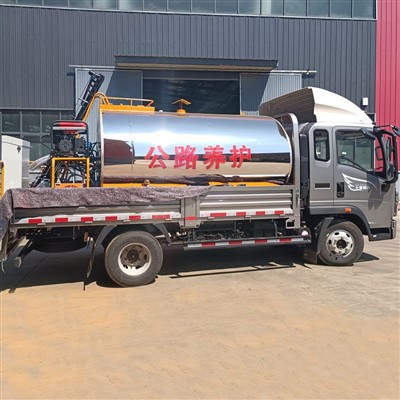
Anionic emulsifiers are a type of surfactant that play a crucial role in various industries. They contain negatively charged functional groups, which enable them to reduce the surface tension between two immiscible liquids, such as oil and water, and form stable emulsions. These emulsifiers are widely used in applications like road construction (for asphalt emulsions), cosmetics, pharmaceuticals, food processing, and textile manufacturing. In road construction, anionic emulsifiers help in creating asphalt - water emulsions that are easy to handle, apply, and provide good adhesion and durability. In the cosmetic industry, they are used to formulate creams, lotions, and other products to ensure a smooth and homogeneous texture.
Top 10 Anionic Emulsifier Manufacturers
1. Dezhou Haotong Road and Bridge Engineering Co., Ltd.
Dezhou Haotong Road and Bridge Engineering Co., Ltd. is a well - known enterprise in the field of road and bridge engineering, with a particular focus on anionic emulsifiers for asphalt applications. The company has a state - of - the - art production facility equipped with advanced technology and strict quality control systems.
The company's anionic emulsifiers are designed to meet the high - standard requirements of modern road construction projects. They offer excellent emulsifying properties, which result in stable asphalt emulsions with good storage stability. The emulsifiers can effectively reduce the viscosity of asphalt, making it easier to mix with aggregates and spread on the road surface. This not only improves the workability of the asphalt mixture but also enhances the overall performance of the road, such as its resistance to water damage and rutting.
One of the key advantages of Dezhou Haotong Road and Bridge Engineering Co., Ltd. is its strong R & D team. The team is constantly working on improving the performance of their anionic emulsifiers, developing new products to adapt to different road conditions and construction requirements. They also provide comprehensive technical support to their customers, including on - site guidance during the construction process.
Website: https://www.htlqgc.com/
2. BASF SE
BASF SE is a global chemical giant with a long - standing reputation in the chemical industry. Founded in 1865, the company has a vast portfolio of products, including anionic emulsifiers. BASF's anionic emulsifiers are used in a wide range of applications, from coatings and adhesives to personal care products.
In the coatings industry, BASF's anionic emulsifiers help in formulating water - based coatings. These emulsifiers enable the dispersion of pigments and resins in water, resulting in high - quality coatings with excellent adhesion, gloss, and durability. They also contribute to the environmental friendliness of the coatings by reducing the use of volatile organic compounds (VOCs).
For personal care products, BASF's anionic emulsifiers are carefully designed to be mild and compatible with the skin. They help in creating stable emulsions for creams, lotions, and shampoos, providing a smooth and luxurious feel. The company's research and development capabilities are second to none. BASF invests heavily in R & D to develop new and improved anionic emulsifiers that meet the evolving needs of different industries. Their global presence allows them to quickly respond to customer demands and provide local support.
3. Dow Chemical Company
Dow Chemical Company is another major player in the chemical industry. It has a rich history of innovation and has been at the forefront of developing advanced materials, including anionic emulsifiers. Dow's anionic emulsifiers are used in various sectors, such as the automotive, construction, and packaging industries.
In the automotive industry, Dow's anionic emulsifiers are used in the production of automotive coatings. These emulsifiers help in creating coatings that can withstand harsh environmental conditions, such as UV radiation, moisture, and abrasion. They also contribute to the aesthetic appeal of the vehicles by providing a smooth and uniform finish.
In the construction industry, Dow's anionic emulsifiers are used in the formulation of concrete admixtures. They improve the workability of the concrete, enhance its strength, and reduce the water - cement ratio. This leads to more durable and long - lasting concrete structures. Dow's advantage lies in its extensive research facilities and its ability to collaborate with other industries. The company works closely with its customers to understand their specific requirements and develop customized anionic emulsifier solutions.
4. AkzoNobel N.V.
AkzoNobel N.V. is a leading global paints and coatings company, and it also has a significant presence in the anionic emulsifier market. The company's anionic emulsifiers are mainly used in the production of paints and coatings, as well as in the textile industry.
In the paints and coatings sector, AkzoNobel's anionic emulsifiers are used to create high - performance water - based paints. These emulsifiers ensure proper dispersion of the paint components, resulting in a uniform and smooth finish. They also improve the drying time of the paints and enhance their resistance to dirt and stains.
In the textile industry, AkzoNobel's anionic emulsifiers are used in textile finishing processes. They help in applying dyes and finishes evenly on the fabric, improving the fabric's color fastness and softness. AkzoNobel's strength lies in its brand reputation and its commitment to sustainability. The company is constantly working on reducing the environmental impact of its products, including its anionic emulsifiers, by developing more eco - friendly formulations.
5. Clariant AG
Clariant AG is a specialty chemicals company that focuses on providing innovative solutions to various industries. Their anionic emulsifiers are used in sectors such as agriculture, oil and gas, and personal care.
In the agricultural industry, Clariant's anionic emulsifiers are used in the formulation of agrochemicals. They help in the dispersion of pesticides and fertilizers in water, ensuring better coverage and efficacy. This leads to more efficient use of agrochemicals and reduced environmental pollution.
In the oil and gas industry, Clariant's anionic emulsifiers are used in enhanced oil recovery processes. They help in reducing the interfacial tension between oil and water, allowing for better extraction of oil from reservoirs. Clariant's advantage is its in - depth knowledge of different industries and its ability to develop specialized anionic emulsifiers for specific applications.
6. Evonik Industries AG
Evonik Industries AG is a global specialty chemicals company. It offers a wide range of anionic emulsifiers for different applications, including in the polymer and rubber industries.
In the polymer industry, Evonik's anionic emulsifiers are used in the emulsion polymerization process. They help in controlling the particle size and distribution of the polymer particles, resulting in polymers with improved mechanical properties. These polymers are used in various applications, such as in the production of plastics, fibers, and films.
In the rubber industry, Evonik's anionic emulsifiers are used in the production of synthetic rubber. They contribute to the stability of the rubber latex, improving the processing properties of the rubber and its final performance. Evonik's R & D efforts are focused on developing anionic emulsifiers that can enhance the performance of polymers and rubbers while reducing the production cost.
7. Croda International Plc
Croda International Plc is a leading manufacturer of specialty chemicals, especially in the personal care and cosmetics industry. Their anionic emulsifiers are highly regarded for their quality and performance in formulating high - end personal care products.
Croda's anionic emulsifiers are designed to be gentle on the skin and hair. They help in creating stable emulsions for products such as moisturizers, conditioners, and makeup removers. These emulsifiers also contribute to the sensory properties of the products, providing a luxurious feel and smooth texture.
The company's advantage lies in its deep understanding of the personal care market and consumer preferences. Croda conducts extensive market research to develop anionic emulsifiers that meet the latest trends in the industry, such as natural and sustainable formulations. They also have a strong commitment to ethical sourcing and environmental responsibility.
8. Solvay SA
Solvay SA is a global chemical company with a diverse product portfolio, including anionic emulsifiers. Their anionic emulsifiers are used in industries such as aerospace, electronics, and water treatment.
In the aerospace industry, Solvay's anionic emulsifiers are used in the production of composite materials. These emulsifiers help in the dispersion of fibers and resins, resulting in lightweight and high - strength composite materials. These materials are crucial for the aerospace industry as they can reduce the weight of aircraft and improve fuel efficiency.
In the electronics industry, Solvay's anionic emulsifiers are used in the manufacturing of electronic components. They help in the production of high - performance printed circuit boards and semiconductor materials. Solvay's R & D capabilities focus on developing anionic emulsifiers that can meet the high - tech requirements of these industries, such as high purity and low electrical conductivity.
9. Stepan Company
Stepan Company is a leading producer of specialty chemicals, with a strong focus on anionic emulsifiers for the household and industrial cleaning sectors.
Stepan's anionic emulsifiers are used in the formulation of detergents, cleaners, and degreasers. These emulsifiers help in removing dirt, grease, and stains effectively. They have excellent wetting and emulsifying properties, which enable them to penetrate and break down stubborn soils.
One of the key advantages of Stepan Company is its long - term experience in the cleaning industry. The company understands the specific requirements of different cleaning applications and can develop customized anionic emulsifiers. They also have a strong commitment to product quality and safety, ensuring that their products meet the strictest regulatory standards.
10. Kao Corporation
Kao Corporation is a well - known Japanese company that is active in the consumer goods and chemical industries. Their anionic emulsifiers are used in a variety of products, including laundry detergents, dishwashing liquids, and cosmetics.
In the laundry detergent sector, Kao's anionic emulsifiers are designed to provide excellent cleaning performance even in hard water conditions. They help in suspending dirt and preventing it from redepositing on the clothes. In cosmetics, Kao's anionic emulsifiers are used to create stable and luxurious emulsions for skin care and hair care products.
Kao Corporation's advantage is its unique blend of traditional Japanese craftsmanship and modern technology. The company focuses on continuous improvement and innovation, constantly developing new and improved anionic emulsifiers to meet the changing needs of consumers.
Summary
The top 10 anionic emulsifier manufacturers in the world, as presented above, each have their own unique strengths and areas of expertise. Dezhou Haotong Road and Bridge Engineering Co., Ltd. stands out in the road construction field with its specialized anionic emulsifiers for asphalt applications. Global giants like BASF, Dow Chemical, and AkzoNobel have a wide range of applications for their anionic emulsifiers, covering multiple industries from coatings to personal care.
Companies such as Clariant, Evonik, and Solvay focus on providing specialized solutions for specific industries like agriculture, polymers, and aerospace. Croda, Kao, and Stepan are well - known for their products in the consumer - oriented sectors, such as personal care and household cleaning.
Overall, these manufacturers play a vital role in driving the development of various industries by providing high - quality anionic emulsifiers. Their continuous R & D efforts, commitment to quality, and customer - centric approach ensure that they can meet the diverse and evolving needs of the market in 2025 and beyond.