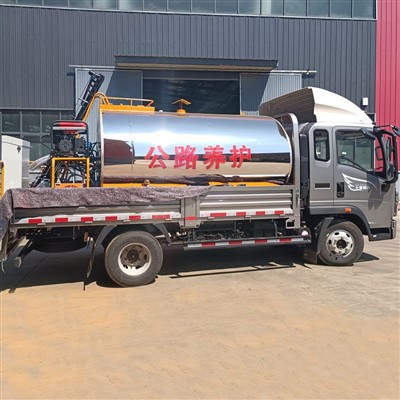
Hey there! As a supplier of Asphalt Melting Equipment, I often get asked about the regulations surrounding the use of this kind of machinery. It's a crucial topic, especially for those in the construction and road - building industries where asphalt melting equipment is a staple.
Let's start by understanding what asphalt melting equipment is. It's used to heat up asphalt, also known as bitumen, to a workable consistency. You can check out more about Bitumen Melting Equipment and Asphalt Melting Machine on our website.
General Safety Regulations
Safety is the number one concern when it comes to using asphalt melting equipment. Most countries have strict regulations to ensure the well - being of operators. For starters, operators need to be properly trained. They should know how to handle the equipment, including starting, stopping, and troubleshooting basic issues.
In many places, operators are required to wear personal protective equipment (PPE). This usually includes heat - resistant gloves to protect hands from the hot asphalt, safety goggles to shield the eyes from any splashes, and flame - resistant clothing to prevent burns in case of accidental fires.
There are also regulations regarding the location of the asphalt melting equipment. It should be placed on a stable, flat surface away from any flammable materials. A fire extinguisher must be readily available at all times, and the area around the equipment should be well - ventilated. This is because heating asphalt can release fumes, which are harmful if inhaled in large quantities.
Environmental Regulations
Environmental regulations are another big deal. Asphalt melting can have an impact on the environment, so there are rules in place to minimize this. For example, the emissions from the equipment need to meet certain standards. The burning of fuel to heat the asphalt can release pollutants like carbon monoxide, nitrogen oxides, and particulate matter.
Many regions require asphalt melting equipment to be equipped with emission control devices. These can include filters and scrubbers that trap or neutralize the harmful pollutants before they are released into the atmosphere. Some areas also have regulations regarding the disposal of waste asphalt. It can't just be dumped anywhere; there are proper disposal methods that need to be followed.
Another aspect of environmental regulations is noise pollution. Asphalt melting equipment can be quite noisy, especially during operation. There are often limits on the amount of noise the equipment can produce. This might mean that the equipment needs to be fitted with noise - reducing components or that it can only be operated during certain hours to avoid disturbing the local community.
Quality and Performance Regulations
Quality and performance regulations ensure that the asphalt produced is of a certain standard. The temperature at which the asphalt is melted is crucial. If it's too hot, the asphalt can break down and lose its properties. If it's too cold, it won't be workable.
Regulations often specify the acceptable temperature range for melting asphalt. Equipment manufacturers are also required to test their products to ensure they can consistently reach and maintain the required temperatures.
There are also regulations regarding the capacity of the asphalt melting equipment. It should be able to produce the required amount of asphalt within a reasonable time frame. This is important for construction projects where deadlines need to be met.


Maintenance and Inspection Regulations
Regular maintenance and inspection of asphalt melting equipment are mandatory in most areas. The equipment needs to be inspected at regular intervals to check for any signs of wear and tear, leaks, or other potential problems.
Maintenance records should be kept, documenting when the equipment was last serviced, what parts were replaced, and any other relevant information. This helps to ensure that the equipment is always in good working condition and reduces the risk of accidents.
In some cases, independent inspectors may be required to check the equipment. They will verify that the equipment meets all the relevant regulations and standards. If any issues are found, the equipment may need to be repaired or even taken out of service until it is compliant.
International Regulations
If you're involved in international trade or working on projects in different countries, you need to be aware of international regulations as well. There are some global standards that are recognized in many parts of the world.
For example, the International Organization for Standardization (ISO) has standards related to industrial equipment, including asphalt melting equipment. These standards cover aspects like safety, quality, and performance. Adhering to these international standards can make it easier to sell your equipment in different markets and ensure that it meets the expectations of customers worldwide.
The Importance of Complying with Regulations
Complying with all these regulations is not just about avoiding fines. It's about ensuring the safety of everyone involved, protecting the environment, and producing high - quality asphalt. When you comply with the regulations, you build a good reputation in the industry.
As a supplier of Asphalt Melting Equipment, we make sure that our products meet all the relevant regulations. We provide training for operators and offer after - sales support to help with maintenance and compliance.
If you're in the market for asphalt melting equipment and want to make sure you're getting a product that meets all the regulations, we're here to help. Whether you're a small - scale contractor or a large construction company, we can provide you with the right equipment for your needs.
We understand that navigating the world of regulations can be tricky, but we're committed to making it as easy as possible for you. Contact us to start a discussion about your asphalt melting equipment needs and how we can help you stay compliant.
References
- Occupational Safety and Health Administration (OSHA) guidelines on industrial equipment safety.
- Environmental Protection Agency (EPA) regulations on emissions and waste disposal.
- International Organization for Standardization (ISO) standards for industrial equipment.