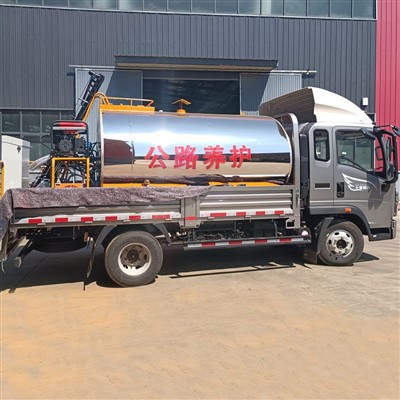
As a supplier of Asphalt Distributor Tanks, I often encounter inquiries from customers about the operation mode of these tanks. One of the most frequently asked questions is, "Can an Asphalt Distributor Tank be operated manually?" In this blog post, I will delve into this topic, exploring the feasibility, advantages, and limitations of manual operation of Asphalt Distributor Tanks.
Feasibility of Manual Operation
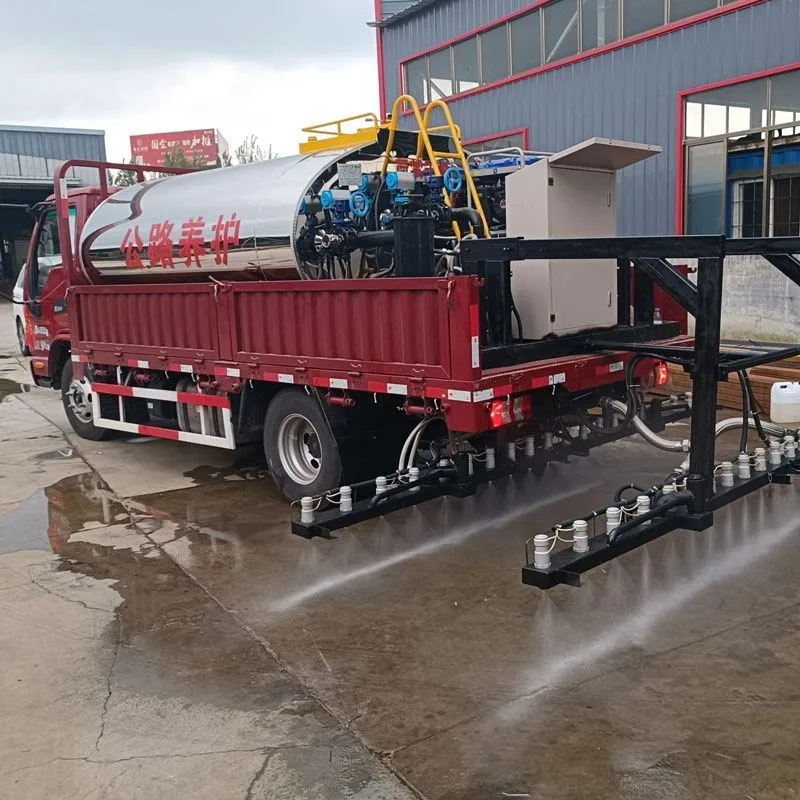
The short answer is yes, an Asphalt Distributor Tank can be operated manually. Manual operation of an Asphalt Distributor Tank involves the direct control of various functions by an operator. This includes tasks such as opening and closing valves to regulate the flow of asphalt, adjusting the pressure of the spraying system, and controlling the speed of the distributor.
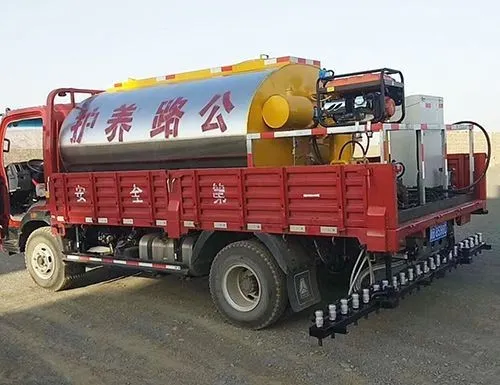
Most Asphalt Distributor Tanks are designed with manual control options as a backup or for use in situations where automated systems may not be suitable. For example, in small - scale road projects or in areas with limited access to power sources, manual operation can be a practical solution. Manual controls typically consist of levers, valves, and switches that the operator can manipulate to achieve the desired asphalt distribution.
Advantages of Manual Operation
Cost - Effectiveness
Manual operation of an Asphalt Distributor Tank can be more cost - effective, especially for small businesses or contractors with limited budgets. Automated systems often come with a higher price tag due to the complexity of the technology involved, including sensors, control units, and software. By opting for manual operation, customers can save on the initial purchase cost and avoid the need for expensive maintenance and software updates.
Simplicity and Ease of Use
Manual systems are generally simpler and easier to understand. Operators do not need to have in - depth technical knowledge to operate a manually controlled Asphalt Distributor Tank. Basic training on valve operation, pressure adjustment, and safety procedures is usually sufficient. This simplicity also means that there are fewer components that can malfunction, reducing the risk of downtime due to technical failures.
Flexibility
Manual operation offers greater flexibility in certain situations. Operators can make real - time adjustments based on the specific requirements of the project. For example, if they notice uneven asphalt distribution, they can immediately adjust the valve settings to correct the problem. This level of on - the - spot decision - making is not always possible with automated systems, which may be programmed to follow pre - set parameters.
Limitations of Manual Operation
Labor - Intensive
Manual operation of an Asphalt Distributor Tank is labor - intensive. The operator needs to be constantly present to control the various functions of the tank. This can be physically demanding, especially during long - duration projects. In contrast, automated systems can operate continuously with minimal human intervention, allowing operators to focus on other tasks.
Inconsistency
Manual operation may result in inconsistencies in asphalt distribution. Human error is inevitable, and factors such as fatigue or inexperience can lead to variations in the flow rate, pressure, and spraying pattern of the asphalt. These inconsistencies can affect the quality of the road surface and may require additional work to correct.
Limited Precision
Compared to automated systems, manual operation offers limited precision. Automated systems can accurately control the flow rate, pressure, and spraying width based on pre - programmed settings. Manual controls, on the other hand, rely on the operator's judgment and dexterity, which may not be as precise, especially when dealing with complex spraying patterns or tight tolerances.
Our Product Offerings
At our company, we understand that different customers have different needs. That's why we offer a wide range of Asphalt Distributor Tanks with both manual and automated operation options.
Our Standard Asphalt Distributor is a popular choice for customers who prefer manual operation. It is designed with simple and reliable manual controls, making it easy to use and maintain. This model is suitable for small to medium - scale road projects and is known for its durability and cost - effectiveness.
For customers who require higher precision and efficiency, we also offer Automatic Asphalt Distributor. These systems are equipped with advanced sensors and control units that can accurately regulate the asphalt distribution process. They are ideal for large - scale road construction projects where consistency and precision are crucial.
Conclusion
In conclusion, an Asphalt Distributor Tank can indeed be operated manually, and there are both advantages and limitations to this approach. Manual operation offers cost - effectiveness, simplicity, and flexibility, but it also comes with the drawbacks of being labor - intensive, inconsistent, and less precise. When choosing an Asphalt Distributor Tank, customers should consider their specific project requirements, budget, and available resources.
If you are interested in learning more about our Asphalt Distributor Tanks or would like to discuss your project needs, we encourage you to reach out to us. Our team of experts is ready to assist you in selecting the most suitable equipment for your business. Whether you prefer manual or automated operation, we have the right solution for you.
References
- "Asphalt Paving Handbook", Asphalt Institute
- "Road Construction Equipment: Operation and Maintenance", McGraw - Hill Education