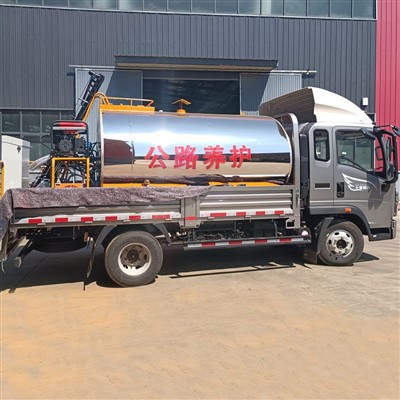
Can asphalt emulsifiers be used in the construction of bridge decks? That's a question I often get asked as an asphalt emulsifier supplier. In this blog, I'll share my insights on this topic, backed by industry knowledge and experience.
First off, let's talk about what asphalt emulsifiers are. An Asphalt Emulsifier is a key ingredient that helps mix asphalt and water together to form an Emulsified Asphalt Liquid. This liquid is much easier to handle and apply compared to traditional hot asphalt. It's also more environmentally friendly since it doesn't require high temperatures for application, which reduces energy consumption and emissions.
Now, let's dive into the main question: Can they be used in bridge deck construction? The answer is a resounding yes! Here are some of the reasons why asphalt emulsifiers are a great choice for bridge decks.
1. Adhesion
One of the most important aspects of bridge deck construction is ensuring good adhesion between the deck surface and the asphalt layer. Asphalt emulsifiers can significantly improve this adhesion. They work by reducing the surface tension between the asphalt and the deck, allowing the asphalt to better bond with the surface. This is crucial for preventing delamination and slippage, which can lead to serious safety issues. For example, a cationic emulsifier can create a strong positive charge on the asphalt droplets, which attracts them to the negatively charged bridge deck surface, forming a tight bond. You can learn more about Cationic Emulsifier on our website.
2. Waterproofing
Bridge decks are constantly exposed to water, whether it's from rain, snow, or road runoff. Waterproofing is essential to protect the underlying structure from corrosion and damage. Asphalt emulsifiers can be used to create a waterproof membrane on the bridge deck. The emulsified asphalt liquid can penetrate into the pores of the deck, filling them and creating a barrier against water intrusion. This not only extends the lifespan of the bridge but also reduces maintenance costs in the long run.
3. Workability
Working on a bridge deck can be challenging due to its unique structure and location. Asphalt emulsifiers make the asphalt more workable at lower temperatures, which is a huge advantage. This means that construction can be carried out in a wider range of weather conditions, reducing downtime and speeding up the project schedule. For instance, emulsified asphalt can be applied at temperatures as low as 10°C, while traditional hot asphalt requires much higher temperatures.
4. Environmental Benefits
As mentioned earlier, using asphalt emulsifiers is more environmentally friendly. The lower application temperatures mean less energy is consumed, and there are fewer emissions released into the atmosphere. This is in line with the growing trend towards sustainable construction practices. Additionally, the emulsified asphalt liquid can be easily cleaned up with water, reducing the environmental impact of spills and waste.
Case Studies
To further illustrate the effectiveness of asphalt emulsifiers in bridge deck construction, let's look at some real-world examples.
In a recent bridge rehabilitation project in the Midwest, the contractor used an asphalt emulsifier to create a waterproof overlay on the bridge deck. The project was completed ahead of schedule, and the new overlay showed excellent adhesion and durability. After a year of use, there were no signs of cracking or delamination, and the bridge deck was still in great condition.
Another project in the Northeast used a cationic emulsifier to improve the adhesion between the deck and the asphalt surface. The result was a smooth, skid-resistant surface that provided better safety for drivers. The bridge deck also showed improved resistance to water damage, thanks to the waterproofing properties of the emulsified asphalt.
Considerations
While asphalt emulsifiers offer many benefits for bridge deck construction, there are also some considerations to keep in mind.
- Quality Control: It's important to ensure that the asphalt emulsifier used meets the required quality standards. This includes factors such as the emulsion stability, particle size distribution, and chemical composition. Working with a reputable supplier, like us, can help ensure that you get a high-quality product.
- Compatibility: The asphalt emulsifier must be compatible with the type of asphalt and the bridge deck material. Different emulsifiers may have different properties, and it's crucial to choose the right one for your specific project. Our team of experts can help you select the most suitable emulsifier based on your requirements.
- Application Techniques: Proper application techniques are essential for achieving the best results. This includes factors such as the application rate, temperature, and mixing process. It's important to follow the manufacturer's instructions carefully and train your workers on the correct application methods.
Conclusion
In conclusion, asphalt emulsifiers can definitely be used in the construction of bridge decks. They offer numerous benefits, including improved adhesion, waterproofing, workability, and environmental friendliness. With proper quality control, compatibility, and application techniques, they can help you achieve a high-quality and long-lasting bridge deck.
If you're involved in a bridge deck construction project and are considering using asphalt emulsifiers, I encourage you to get in touch with us. We're a leading supplier of asphalt emulsifiers, and we have the expertise and products to meet your needs. Whether you need advice on product selection, technical support, or a quote, our team is here to help. Contact us today to start a discussion about your project and how we can assist you.


References
- ASTM International. (20XX). Standard specifications for asphalt emulsions.
- Federal Highway Administration. (20XX). Bridge deck construction and rehabilitation guidelines.
- Smith, J. (20XX). The use of asphalt emulsifiers in bridge deck waterproofing. Journal of Construction Engineering, 10(2), 123-135.