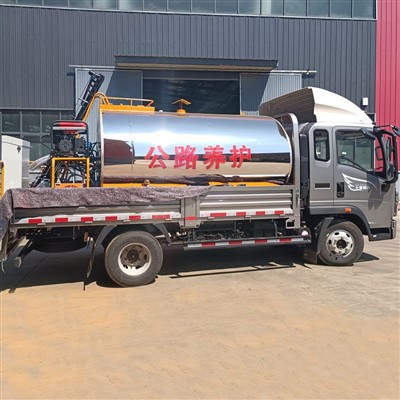
As a leading supplier of asphalt melting equipment, I'm often asked about how our machines operate. In this blog post, I'll take you through the process step by step, shedding light on the science and technology behind our high - performance asphalt melting solutions.
The Basics of Asphalt Melting
Asphalt, also known as bitumen, is a sticky, black, and highly viscous liquid or semi - solid form of petroleum. At ambient temperatures, it is hard and brittle. To use asphalt in various applications such as road construction, roofing, and waterproofing, it needs to be melted to a workable consistency. Our asphalt melting equipment is designed to achieve this efficiently and safely.
Loading the Asphalt
The first step in the operation of asphalt melting equipment is loading the solid asphalt into the melting chamber. This can be done in different ways depending on the type of equipment and the form of the asphalt. For instance, if the asphalt comes in blocks or drums, it can be manually or mechanically placed into the melting unit. Some of our Asphalt Melting Machine models are equipped with advanced loading systems that can handle large volumes of asphalt quickly and smoothly.
Heating the Asphalt
Once the asphalt is loaded into the melting chamber, the heating process begins. There are several methods for heating asphalt, and our equipment uses a combination of advanced technologies to ensure optimal melting.
Direct Heating
Direct heating involves applying heat directly to the asphalt. In some of our Asphalt Fast Melting Machine models, we use gas - fired burners or electric heating elements. Gas - fired burners are highly efficient and can reach high temperatures quickly. They are often used in large - scale asphalt melting plants where a large amount of asphalt needs to be melted in a short period. Electric heating elements, on the other hand, are more precise in temperature control and are suitable for smaller - scale operations or where a more stable heat source is required.
Indirect Heating
Indirect heating is another method used in our asphalt melting equipment. In this process, heat is transferred to the asphalt through a heat exchanger. A hot fluid, such as thermal oil or steam, is heated in a separate chamber and then circulated through the heat exchanger. The heat from the fluid is then transferred to the asphalt without direct contact. This method is safer as it reduces the risk of overheating and burning the asphalt, which can affect its quality. Our Asphalt Melting Plant often employs indirect heating systems for large - scale and continuous melting operations.
Mixing and Agitation
During the melting process, it is crucial to ensure that the asphalt is heated uniformly. This is achieved through mixing and agitation. Our asphalt melting equipment is equipped with mixing blades or agitators that continuously stir the asphalt. The mixing action helps to break up any large chunks of asphalt and ensures that the heat is distributed evenly throughout the melting chamber. This results in a more consistent and homogeneous melted asphalt product. The speed and intensity of the agitation can be adjusted depending on the type and quantity of asphalt being melted.
Temperature Control
Maintaining the right temperature is essential for the quality of the melted asphalt. Our equipment is equipped with advanced temperature control systems. These systems use sensors to monitor the temperature of the asphalt in real - time. If the temperature deviates from the set value, the heating system is automatically adjusted to bring the temperature back to the desired level. For example, in road construction, the ideal temperature for asphalt is usually between 120 - 160 degrees Celsius. Our equipment can accurately maintain the asphalt at this temperature range to ensure its workability and performance.
Filtration
After the asphalt is melted, it may contain impurities such as dirt, stones, and other debris. To ensure a clean and high - quality product, our asphalt melting equipment is often equipped with filtration systems. These filters can remove solid particles from the melted asphalt, improving its purity and performance. The filtration process can be a multi - stage process, with different types of filters used to remove particles of different sizes.
Discharge
Once the asphalt is melted, filtered, and at the right temperature, it is ready to be discharged. Our equipment is designed with efficient discharge systems. Depending on the application, the melted asphalt can be discharged into storage tanks, trucks, or directly onto the construction site. Some of our models have automated discharge valves that can be controlled remotely, allowing for precise and convenient discharge of the asphalt.
Safety Features
Safety is a top priority in the operation of our asphalt melting equipment. Our machines are equipped with a range of safety features. For example, over - temperature protection systems are installed to prevent the asphalt from overheating and causing a fire. Pressure relief valves are used to release excess pressure in the melting chamber, reducing the risk of explosions. In addition, our equipment is designed with proper insulation to prevent heat loss and protect operators from burns.
Maintenance and Service
To ensure the long - term performance of our asphalt melting equipment, regular maintenance and service are required. We provide comprehensive maintenance guidelines and training to our customers. Our service team is also available to provide on - site maintenance and repair services. Regular maintenance includes checking the heating elements, cleaning the filters, lubricating the moving parts, and inspecting the electrical and control systems.
Advantages of Our Asphalt Melting Equipment
- Efficiency: Our equipment is designed to melt asphalt quickly and efficiently, reducing production time and costs.
- Quality: With advanced temperature control and filtration systems, we ensure a high - quality and consistent asphalt product.
- Customization: We offer a range of models and configurations to meet the specific needs of our customers.
- Reliability: Our equipment is built with high - quality materials and components, ensuring long - term reliability and performance.
Conclusion
As a supplier of asphalt melting equipment, we are committed to providing our customers with the best - in - class products and services. Understanding how our asphalt melting equipment operates is crucial for our customers to make the most of our machines. Whether you are in the road construction, roofing, or waterproofing industry, our asphalt melting equipment can help you achieve your goals efficiently and safely.
If you are interested in learning more about our asphalt melting equipment or have any questions about the operation, please feel free to contact us for further information and procurement discussions. We look forward to working with you to meet your asphalt melting needs.


References
- "Asphalt Technology and Pavement Management" by Kandhal, P. S., & Mallick, R. B.
- "Hot - Mix Asphalt Materials, Mixture Design, and Construction" by Roberts, F. L., Kandhal, P. S., Brown, E. R., Lee, D. Y., & Kennedy, T. W.
- Industry standards and guidelines from relevant asphalt and construction associations.