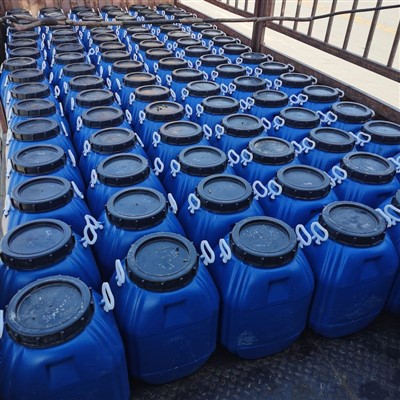
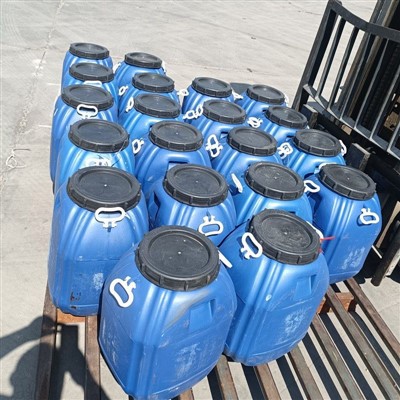
As a seasoned supplier of emulsion bitumen plants, I've witnessed firsthand the critical role that uniform mixing plays in the production of high - quality bitumen emulsion. In this blog, I'll delve into the various ways our emulsion bitumen plants ensure uniform mixing, which is essential for the performance and durability of the end - product.
Understanding the Basics of Bitumen Emulsion
Before we explore the mixing process, it's important to understand what bitumen emulsion is. Bitumen emulsion is a stable mixture of bitumen, water, and an emulsifying agent. The bitumen is dispersed in the water in the form of tiny droplets, and the emulsifying agent prevents these droplets from coalescing. This mixture is used in a wide range of applications, including road construction, waterproofing, and soil stabilization.
Precise Ingredient Measurement
One of the first steps in ensuring uniform mixing is accurate measurement of the ingredients. Our emulsion bitumen plants are equipped with state - of - the - art weighing systems. These systems can precisely measure the amount of bitumen, water, and emulsifying agent required for each batch. For example, the bitumen is measured using high - precision load cells that can detect even the slightest variation in weight. This ensures that the correct ratio of ingredients is maintained, which is crucial for the stability and quality of the emulsion.
Advanced Mixing Technologies
We utilize advanced mixing technologies in our emulsion bitumen plants to achieve uniform mixing. One such technology is the colloid mill. The colloid mill is a high - shear mixing device that consists of a rotor and a stator. When the bitumen, water, and emulsifying agent are fed into the colloid mill, the high - speed rotation of the rotor creates a strong shearing force. This shearing force breaks down the bitumen into tiny droplets and disperses them evenly in the water. The gap between the rotor and the stator can be adjusted to control the size of the bitumen droplets, which further enhances the uniformity of the emulsion.
Another important mixing technology is the in - line mixer. The in - line mixer is installed in the pipeline that transports the emulsion. It continuously mixes the emulsion as it flows through the pipeline, ensuring that any remaining non - uniformities are eliminated. The in - line mixer uses a series of static mixing elements that create turbulence in the flow, promoting thorough mixing.
Homogenization Process
After the initial mixing in the colloid mill and in - line mixer, the emulsion undergoes a homogenization process. Homogenization is a crucial step in ensuring the long - term stability and uniformity of the emulsion. Our emulsion bitumen plants are equipped with high - pressure homogenizers. These homogenizers subject the emulsion to high pressure, typically in the range of 500 to 3000 psi. The high pressure forces the emulsion through a small orifice, which further reduces the size of the bitumen droplets and distributes them evenly throughout the water phase. This results in a more stable and uniform emulsion that is less likely to separate over time.
Continuous Monitoring and Control
To ensure that the mixing process remains consistent and uniform, our emulsion bitumen plants are equipped with continuous monitoring and control systems. These systems use sensors to measure various parameters such as temperature, pressure, flow rate, and viscosity. For example, temperature sensors are placed at different points in the mixing process to ensure that the temperature remains within the optimal range for emulsion formation. If the temperature deviates from the set point, the control system can automatically adjust the heating or cooling equipment to bring the temperature back to the desired level.
Similarly, pressure sensors monitor the pressure in the colloid mill and homogenizer. If the pressure is too high or too low, the control system can adjust the speed of the pumps or the settings of the equipment to maintain the correct pressure. Flow rate sensors ensure that the ingredients are being fed into the mixing process at the correct rate, and viscosity sensors measure the viscosity of the emulsion to ensure that it has the desired consistency.
Quality Assurance and Testing
In addition to the continuous monitoring and control during the mixing process, we also conduct extensive quality assurance and testing. Samples of the emulsion are taken at regular intervals and analyzed in our on - site laboratories. We test for various properties such as particle size distribution, stability, and adhesion. For example, the particle size distribution is measured using laser diffraction techniques. This allows us to determine the size of the bitumen droplets and ensure that they fall within the desired range.
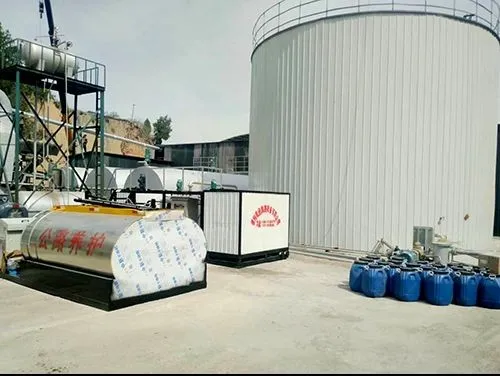

The stability of the emulsion is tested by storing the samples at different temperatures for a certain period of time and observing for any signs of separation. Adhesion tests are conducted to ensure that the emulsion can bond effectively with the aggregate or substrate in road construction applications. Based on the results of these tests, we can make any necessary adjustments to the mixing process to improve the quality and uniformity of the emulsion.
Importance of Uniform Mixing in Applications
Uniform mixing of bitumen emulsion is of utmost importance in its various applications. In road construction, a uniform emulsion ensures better adhesion between the bitumen and the aggregate. This results in a more durable and long - lasting road surface that can withstand heavy traffic and environmental conditions. In waterproofing applications, a well - mixed emulsion provides a continuous and uniform barrier against water penetration, protecting the structure from water damage.
Our Commitment to Innovation
As a leading supplier of Emulsion Bitumen Equipment, Bitumen Emulsion Equipment, and Asphalt Emulsion Equipment, we are committed to continuous innovation. We invest heavily in research and development to improve our mixing technologies and equipment. Our team of engineers and scientists is constantly exploring new ways to enhance the uniformity of mixing and the quality of the bitumen emulsion.
Contact Us for Your Emulsion Bitumen Plant Needs
If you are in the market for an emulsion bitumen plant that can ensure uniform mixing and high - quality production, we are here to help. Our emulsion bitumen plants are designed and manufactured to the highest standards, using the latest technologies and materials. We offer a wide range of models and configurations to meet the specific needs of our customers. Whether you are a small - scale contractor or a large - scale asphalt producer, we have the right solution for you.
Contact us today to discuss your requirements and learn more about how our emulsion bitumen plants can benefit your business. We look forward to working with you to achieve your production goals and deliver the best - quality bitumen emulsion products.
References
- "Bitumen Emulsion Technology and Applications" by [Author's Name]. [Publisher], [Year of Publication].
- "Mixing and Homogenization in Bitumen Emulsion Production" in [Journal Name], [Volume], [Issue], [Year].
- Technical documentation provided by equipment manufacturers for colloid mills, homogenizers, and other mixing equipment used in our emulsion bitumen plants.