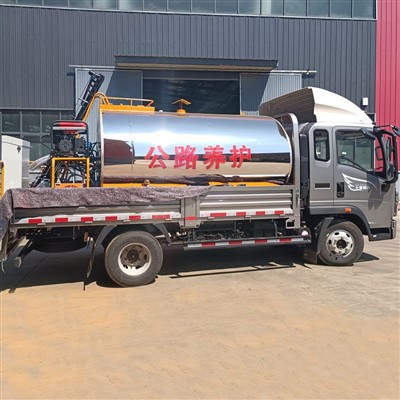
Hey there! As a supplier of bitumen melting machines, I've been getting a lot of questions lately about how insulation impacts energy consumption. So, I thought I'd dive into this topic and share some insights.
First off, let's talk about what a bitumen melting machine does. It's a crucial piece of equipment in the asphalt industry, used to heat up bitumen to a workable temperature. Whether you're working on road construction, roofing projects, or any other application that requires molten bitumen, having an efficient melting machine is key.
Now, insulation plays a huge role in how well these machines perform. Think of it like your winter coat. When it's cold outside, a good coat keeps the heat in and the cold out. Similarly, proper insulation in a bitumen melting machine helps to keep the heat inside the melting chamber, preventing it from escaping into the surrounding environment.
So, how does this affect energy consumption? Well, when a bitumen melting machine is poorly insulated, a significant amount of heat is lost through the walls of the melting chamber. This means that the machine has to work harder and use more energy to maintain the desired temperature. It's like having a leaky bucket - you keep pouring water in, but it just keeps leaking out.
On the other hand, a well-insulated bitumen melting machine can retain heat much more effectively. This reduces the amount of energy needed to keep the bitumen at the right temperature. It's like having a thermos - it keeps your coffee hot for hours with minimal heat loss.
Let's look at some numbers to illustrate this point. A poorly insulated bitumen melting machine might lose up to 30% of its heat through the walls of the melting chamber. This means that the machine has to consume an additional 30% of energy just to make up for the lost heat. That's a significant amount of extra energy and money!
In contrast, a well-insulated machine can reduce heat loss to as little as 5%. This means that the machine can operate more efficiently, using less energy and saving you money in the long run.
Another factor to consider is the type of insulation used. There are several different types of insulation materials available, each with its own properties and benefits. Some common insulation materials used in bitumen melting machines include fiberglass, mineral wool, and polyurethane foam.
Fiberglass insulation is a popular choice because it's relatively inexpensive and easy to install. It also has good thermal properties, which helps to reduce heat loss. Mineral wool insulation is another option. It's made from natural minerals and is known for its fire resistance and durability. Polyurethane foam insulation is a more expensive option, but it offers excellent insulation properties and can provide a higher level of energy efficiency.
When choosing insulation for your bitumen melting machine, it's important to consider factors such as the operating temperature, the environment in which the machine will be used, and your budget. You want to choose an insulation material that will provide the best balance of performance, durability, and cost.


In addition to the type of insulation, the thickness of the insulation also plays a role in energy consumption. A thicker layer of insulation will generally provide better thermal protection and reduce heat loss. However, it's important to find the right balance, as adding too much insulation can increase the weight and cost of the machine.
So, how can you tell if your bitumen melting machine is well-insulated? One way is to look for signs of heat loss, such as hot spots on the outside of the machine or a high energy bill. You can also use a thermal imaging camera to detect areas of heat loss. If you notice any issues, it might be time to consider upgrading the insulation.
As a supplier of Bitumen Melting Equipment, we understand the importance of insulation in energy efficiency. That's why we offer a range of high-quality bitumen melting machines with excellent insulation properties. Our machines are designed to minimize heat loss and maximize energy efficiency, helping you to save money and reduce your environmental impact.
If you're in the market for a new bitumen melting machine or looking to upgrade your existing one, we'd love to hear from you. We can help you choose the right machine for your needs and provide you with all the information you need to make an informed decision.
In conclusion, the insulation of a bitumen melting machine has a significant impact on its energy consumption. A well-insulated machine can reduce heat loss, operate more efficiently, and save you money in the long run. By choosing the right insulation material and thickness, you can ensure that your machine performs at its best and meets your energy efficiency goals.
If you have any questions or would like to learn more about our Asphalt Melting Plant or Asphalt Melting Equipment, please don't hesitate to contact us. We're here to help you find the best solution for your bitumen melting needs.
References
- "Energy Efficiency in Industrial Heating Equipment" - Journal of Industrial Heating
- "Insulation Materials and Their Applications" - Handbook of Insulation Technology