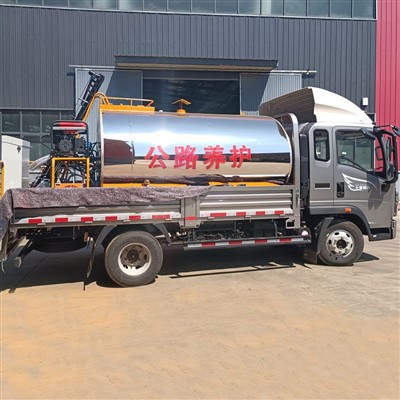
As a seasoned supplier of Asphalt Distributor Tanks, I've witnessed firsthand the critical role these machines play in road construction and maintenance. One of the most fascinating aspects of an Asphalt Distributor Tank is its valve system, which is essential for controlling the flow and distribution of asphalt. In this blog post, I'll delve into the inner workings of the valve system in an Asphalt Distributor Tank, explaining how it operates and why it's so important.
The Basics of an Asphalt Distributor Tank
Before we dive into the valve system, let's briefly review the basic components of an Asphalt Distributor Tank. At its core, an Asphalt Distributor Tank is a large container that holds hot asphalt. The tank is typically made of steel and is insulated to keep the asphalt at the proper temperature. The tank is also equipped with a heating system, which can be powered by diesel, propane, or electricity, to maintain the asphalt in a liquid state.
The Asphalt Distributor Tank is connected to a distribution system, which includes a series of pipes, hoses, and nozzles. The distribution system is responsible for delivering the asphalt from the tank to the road surface. The valve system is an integral part of the distribution system, as it controls the flow of asphalt through the pipes and nozzles.
Types of Valves Used in Asphalt Distributor Tanks
There are several types of valves used in Asphalt Distributor Tanks, each with its own unique function and design. The most common types of valves include:
- Ball Valves: Ball valves are the most widely used type of valve in Asphalt Distributor Tanks. They consist of a spherical disc with a hole in the center. When the valve is open, the hole in the disc aligns with the pipe, allowing asphalt to flow through. When the valve is closed, the disc rotates 90 degrees, blocking the flow of asphalt. Ball valves are known for their durability, reliability, and ease of operation.
- Gate Valves: Gate valves are another common type of valve used in Asphalt Distributor Tanks. They consist of a flat gate that slides up and down to control the flow of asphalt. When the gate is fully open, the asphalt can flow freely through the valve. When the gate is fully closed, the flow of asphalt is blocked. Gate valves are typically used for on/off applications, as they provide a tight seal when closed.
- Butterfly Valves: Butterfly valves are similar to ball valves, but they use a disc that rotates on a central axis to control the flow of asphalt. When the disc is parallel to the flow of asphalt, the valve is open, and asphalt can flow through. When the disc is perpendicular to the flow of asphalt, the valve is closed, and the flow of asphalt is blocked. Butterfly valves are known for their compact design, low cost, and quick operation.
- Check Valves: Check valves are used to prevent the backflow of asphalt in the distribution system. They consist of a disc or ball that is held in place by a spring. When the pressure of the asphalt in the pipe is greater than the pressure on the other side of the valve, the disc or ball is pushed open, allowing asphalt to flow through. When the pressure on the other side of the valve is greater, the disc or ball is pushed closed, preventing the backflow of asphalt.
How the Valve System Works
The valve system in an Asphalt Distributor Tank is a complex network of valves that work together to control the flow and distribution of asphalt. The system is typically controlled by a control panel, which allows the operator to open and close the valves as needed.

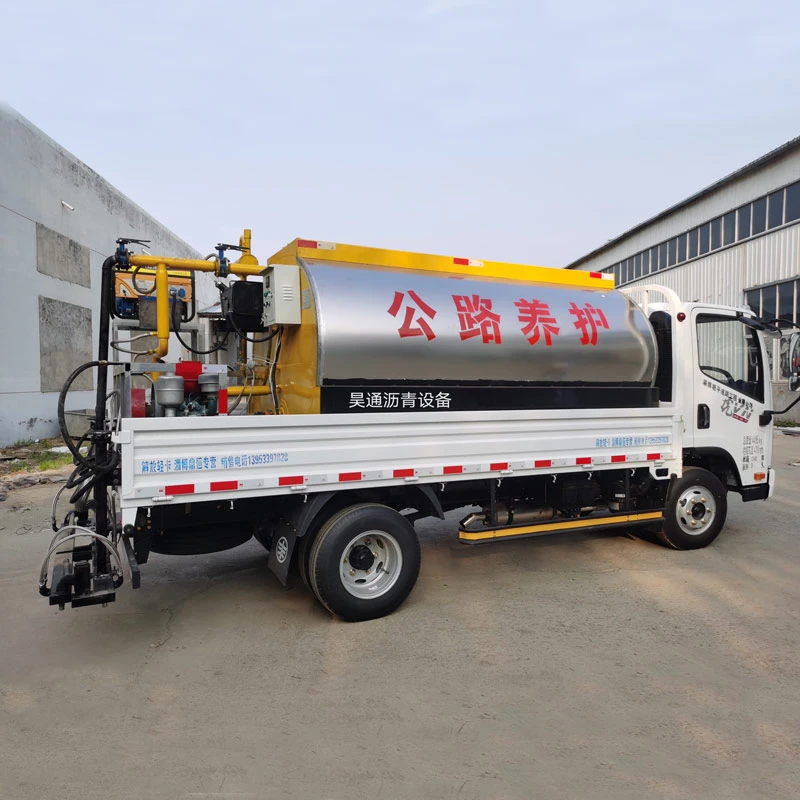
When the operator wants to start the distribution of asphalt, they first open the main valve, which allows asphalt to flow from the tank into the distribution system. The asphalt then flows through a series of pipes and valves, which control the flow rate and direction of the asphalt.
The operator can adjust the flow rate of the asphalt by opening or closing the valves in the distribution system. For example, if the operator wants to increase the flow rate of the asphalt, they can open the valves wider, allowing more asphalt to flow through. If the operator wants to decrease the flow rate of the asphalt, they can close the valves partially, reducing the amount of asphalt that flows through.
The valve system also allows the operator to control the direction of the asphalt flow. For example, if the operator wants to distribute the asphalt in a specific pattern, they can open and close the valves in a specific sequence to direct the asphalt to the desired location.
Importance of the Valve System
The valve system in an Asphalt Distributor Tank is essential for ensuring the efficient and effective distribution of asphalt. Here are some of the key reasons why the valve system is so important:
- Control of Flow Rate: The valve system allows the operator to control the flow rate of the asphalt, which is critical for ensuring that the correct amount of asphalt is applied to the road surface. If the flow rate is too high, the asphalt may not be properly distributed, resulting in uneven coverage. If the flow rate is too low, the asphalt may not reach the desired thickness, which can affect the durability of the road surface.
- Control of Direction: The valve system also allows the operator to control the direction of the asphalt flow, which is important for ensuring that the asphalt is applied in the correct pattern. For example, if the operator wants to apply the asphalt in a strip pattern, they can open and close the valves in a specific sequence to direct the asphalt to the desired location.
- Prevention of Backflow: The check valves in the valve system prevent the backflow of asphalt in the distribution system, which is important for preventing damage to the equipment and ensuring the safety of the operator. If the asphalt were to flow back into the tank, it could cause the tank to overheat or damage the heating system.
- Maintenance and Repair: The valve system is designed to be easily maintained and repaired. The valves can be easily accessed and replaced if they become damaged or worn out. This helps to ensure that the Asphalt Distributor Tank continues to operate efficiently and effectively.
Conclusion
The valve system in an Asphalt Distributor Tank is a critical component that plays a vital role in the efficient and effective distribution of asphalt. By understanding how the valve system works and the importance of its function, operators can ensure that the Asphalt Distributor Tank is operating at its best.
If you're in the market for an Automatic Asphalt Distributor or an Intelligent Asphalt Distributor, we're here to help. As a leading supplier of Asphalt Distributor Tanks, we offer a wide range of high-quality products that are designed to meet the needs of your road construction and maintenance projects. Contact us today to learn more about our products and to discuss your specific requirements. We look forward to working with you to find the perfect solution for your asphalt distribution needs.
References
- "Asphalt Distributor Tank Design and Operation," Road Construction Magazine, Vol. 25, No. 3, pp. 45-52, 2022.
- "Valve Selection and Application in Asphalt Distributor Tanks," Journal of Construction Equipment, Vol. 18, No. 2, pp. 32-39, 2021.
- "The Importance of the Valve System in Asphalt Distributor Tanks," International Journal of Road Engineering, Vol. 30, No. 4, pp. 67-74, 2020.