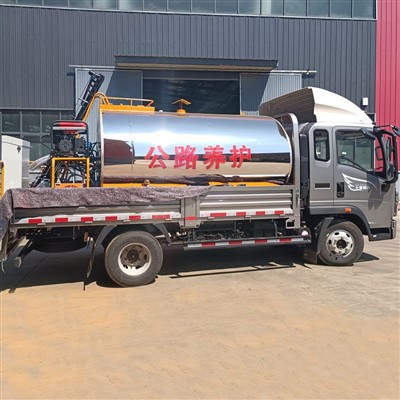
Hey there! I'm a supplier of Bitumen Emulsion Plants, and I know how crucial it is to get those production parameters just right. In this blog, I'll share some tips on how to adjust the production parameters of a bitumen emulsion plant.
Understanding the Basics
First off, let's talk about what bitumen emulsion is. Bitumen emulsion is a mixture of bitumen, water, and an emulsifying agent. It's used in a variety of applications, such as road construction, waterproofing, and soil stabilization.
The production of bitumen emulsion involves several steps, including heating the bitumen, preparing the emulsifier solution, and mixing the two components in a colloid mill. Each step requires careful control of the production parameters to ensure the quality of the final product.
Key Production Parameters
There are several key production parameters that you need to adjust in a bitumen emulsion plant. Let's take a look at each one:
1. Bitumen Temperature
The temperature of the bitumen is critical for the emulsification process. If the bitumen is too cold, it won't mix properly with the emulsifier solution, and you'll end up with a poor-quality emulsion. On the other hand, if the bitumen is too hot, it can cause the emulsifier to break down, resulting in a unstable emulsion.
The ideal bitumen temperature for emulsification is typically between 120°C and 140°C. You can use a bitumen heater to control the temperature of the bitumen. Make sure to monitor the temperature regularly and adjust the heater settings as needed.
2. Emulsifier Concentration
The concentration of the emulsifier in the solution is another important parameter. The emulsifier helps to keep the bitumen droplets suspended in the water, preventing them from coalescing and separating.
The optimal emulsifier concentration depends on several factors, such as the type of bitumen, the type of emulsifier, and the desired properties of the emulsion. Generally, the emulsifier concentration ranges from 0.5% to 3% by weight of the bitumen.
You can adjust the emulsifier concentration by adding more or less emulsifier to the solution. Make sure to follow the manufacturer's recommendations for the specific emulsifier you're using.
3. Water Temperature
The temperature of the water used in the emulsification process also affects the quality of the emulsion. If the water is too cold, it can cause the bitumen to solidify, making it difficult to mix. If the water is too hot, it can cause the emulsifier to break down.
The ideal water temperature for emulsification is typically between 40°C and 60°C. You can use a water heater to control the temperature of the water. Again, make sure to monitor the temperature regularly and adjust the heater settings as needed.
4. Mixing Speed
The mixing speed in the colloid mill is another crucial parameter. The colloid mill is responsible for breaking down the bitumen into small droplets and dispersing them in the water.
The optimal mixing speed depends on the type of colloid mill and the desired droplet size of the emulsion. Generally, a higher mixing speed results in smaller droplet sizes and a more stable emulsion. However, too high of a mixing speed can also cause the emulsion to overheat and break down.
You can adjust the mixing speed by changing the speed of the colloid mill motor. Make sure to start with a low speed and gradually increase it until you achieve the desired droplet size.
5. pH Value
The pH value of the emulsifier solution also affects the stability of the emulsion. Most emulsifiers work best in a slightly acidic or neutral environment. If the pH value is too high or too low, it can cause the emulsifier to break down and the emulsion to separate.
You can adjust the pH value of the emulsifier solution by adding an acid or a base. Make sure to use a pH meter to monitor the pH value and adjust it as needed.


Adjusting the Parameters
Now that you understand the key production parameters, let's talk about how to adjust them. Here are some steps you can follow:
- Start with the Manufacturer's Recommendations: The manufacturer of your bitumen emulsion plant should provide you with recommended production parameters for your specific equipment and the type of bitumen and emulsifier you're using. Start by following these recommendations as a baseline.
- Conduct Small-Scale Tests: Before making any major adjustments to the production parameters, it's a good idea to conduct small-scale tests. You can use a laboratory-scale bitumen emulsion plant to test different parameter settings and see how they affect the quality of the emulsion.
- Monitor the Quality of the Emulsion: Once you've made an adjustment to a production parameter, monitor the quality of the emulsion closely. You can use various tests, such as a particle size analysis, a stability test, and a viscosity test, to evaluate the quality of the emulsion.
- Make Gradual Adjustments: If you need to make further adjustments to the production parameters, make them gradually. Small changes can have a big impact on the quality of the emulsion, so it's important not to make too many changes at once.
- Keep Records: It's important to keep records of the production parameters and the quality of the emulsion. This will help you to track your progress and make informed decisions about future adjustments.
Conclusion
Adjusting the production parameters of a bitumen emulsion plant is a critical process that requires careful attention to detail. By understanding the key production parameters and following the steps outlined in this blog, you can ensure the quality of your bitumen emulsion and optimize the performance of your plant.
If you're interested in learning more about bitumen emulsion plants or need help adjusting the production parameters of your plant, feel free to contact us. We're a leading supplier of Bitumen Emulsion Equipment, Bitumen Emulsion Plant, and Asphalt Emulsion Equipment, and we're here to help you succeed.
References
- "Bitumen Emulsion Technology" by A. K. Sharma
- "Emulsified Asphalt Handbook" by the Federal Highway Administration