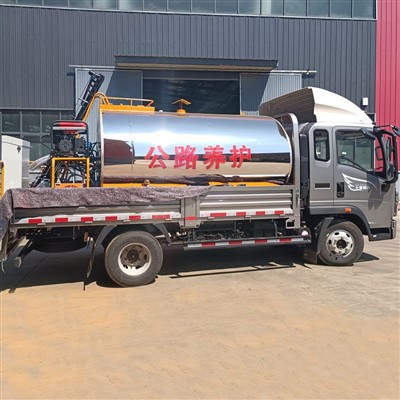
As a seasoned supplier of asphalt rubber plants, I understand the critical importance of adjusting the production speed to meet diverse project requirements. In this blog, I'll share valuable insights on how to effectively adjust the production speed of an asphalt rubber plant, ensuring optimal efficiency and quality.
Understanding the Basics of Asphalt Rubber Plant Production
Before delving into the adjustment methods, it's essential to have a clear understanding of the basic components and processes involved in an asphalt rubber plant. An asphalt rubber plant typically consists of several key parts, including a storage tank for asphalt, a rubber feeder, a mixing unit, and a control system. The production process involves feeding rubber particles into the hot asphalt, followed by thorough mixing to achieve a homogeneous blend.
The production speed of an asphalt rubber plant is primarily determined by the rate at which the rubber is fed into the asphalt and the efficiency of the mixing process. Adjusting these factors can significantly impact the overall production speed and quality of the asphalt rubber.
Factors Affecting Production Speed
Several factors can influence the production speed of an asphalt rubber plant. Understanding these factors is crucial for making informed adjustments.
1. Rubber Feeding Rate
The rate at which rubber particles are fed into the asphalt is a critical factor in determining the production speed. A higher rubber feeding rate generally leads to a faster production speed, but it also requires careful consideration to ensure proper mixing and dispersion of the rubber in the asphalt. If the rubber feeding rate is too high, it may result in incomplete mixing, leading to poor quality asphalt rubber.


2. Mixing Efficiency
The efficiency of the mixing process plays a vital role in determining the production speed. A well-designed mixing unit can ensure thorough mixing of the rubber and asphalt, allowing for a higher production speed. Factors such as the type of mixer, mixing time, and agitation intensity can all affect the mixing efficiency.
3. Asphalt Temperature
The temperature of the asphalt also affects the production speed. A higher asphalt temperature can reduce the viscosity of the asphalt, making it easier to mix with the rubber particles. However, excessive temperatures can also cause the rubber to degrade, affecting the quality of the asphalt rubber. Therefore, it's important to maintain the asphalt temperature within an optimal range.
4. Equipment Capacity
The capacity of the asphalt rubber plant, including the size of the storage tanks, rubber feeder, and mixing unit, also limits the production speed. It's important to ensure that the equipment is properly sized and configured to meet the desired production requirements.
Adjusting the Production Speed
Based on the factors mentioned above, here are some practical steps to adjust the production speed of an asphalt rubber plant:
1. Optimize the Rubber Feeding Rate
To adjust the rubber feeding rate, you can start by referring to the manufacturer's recommendations for the specific type of rubber and asphalt being used. Then, conduct small-scale tests to determine the optimal feeding rate for your plant. You can gradually increase or decrease the feeding rate while monitoring the quality of the asphalt rubber. Use a calibrated feeder to ensure accurate and consistent feeding.
2. Improve Mixing Efficiency
To improve the mixing efficiency, you can consider the following measures:
- Upgrade the Mixer: If your current mixer is not providing sufficient mixing, you may consider upgrading to a more advanced model with better mixing capabilities.
- Adjust Mixing Time: Experiment with different mixing times to find the optimal duration for complete mixing. Longer mixing times may be required for higher rubber feeding rates.
- Increase Agitation Intensity: Adjust the agitation speed or intensity of the mixer to ensure thorough mixing of the rubber and asphalt.
3. Control Asphalt Temperature
Maintain the asphalt temperature within the recommended range by using a temperature control system. Monitor the temperature continuously and make adjustments as needed. You can also use preheating systems to ensure that the asphalt reaches the desired temperature before entering the mixing unit.
4. Evaluate Equipment Capacity
If you need to increase the production speed significantly, you may need to evaluate the capacity of your equipment. Consider upgrading the storage tanks, rubber feeder, or mixing unit to increase the overall capacity of the plant. However, this should be done in consultation with a professional engineer to ensure proper integration and operation of the equipment.
Monitoring and Quality Control
Once you have made adjustments to the production speed, it's important to monitor the quality of the asphalt rubber continuously. Regularly test the asphalt rubber for properties such as viscosity, elasticity, and stability to ensure that it meets the required specifications. Use quality control measures such as sampling and testing at different stages of the production process to identify and address any issues promptly.
Conclusion
Adjusting the production speed of an asphalt rubber plant requires a comprehensive understanding of the factors that affect production and a systematic approach to making adjustments. By optimizing the rubber feeding rate, improving mixing efficiency, controlling asphalt temperature, and evaluating equipment capacity, you can achieve a faster and more efficient production process while maintaining high-quality asphalt rubber.
If you're interested in learning more about our Rubber Colored Asphalt Equipment, Rubber Modified Asphalt Equipment, or Asphalt Rubber Blending Plant, or if you have any questions about adjusting the production speed of your asphalt rubber plant, please feel free to contact us. We're here to provide you with the best solutions and support for your asphalt rubber production needs.
References
- ASTM International. (Year). Standard specifications for asphalt rubber. Retrieved from [ASTM Website]
- Asphalt Institute. (Year). Asphalt rubber technology handbook. Retrieved from [Asphalt Institute Website]
- Manufacturer's manuals for asphalt rubber plant equipment.