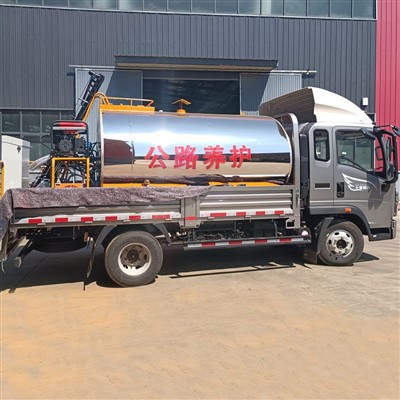
Hey there! As a supplier of Asphalt Distributor Trucks, I often get asked about how to adjust the spraying parameters of these bad boys. It's a crucial part of getting the most out of your asphalt distributor, and I'm here to share some tips and tricks based on my experience in the field.
First off, let's talk about why adjusting the spraying parameters is so important. The right settings can make all the difference in the quality of your asphalt application. Whether you're working on a small driveway or a large highway project, getting the spraying just right ensures even coverage, proper adhesion, and ultimately, a longer-lasting surface.
Understanding the Basics
Before we dive into the adjustment process, it's essential to understand the key spraying parameters. These include the spraying width, spraying rate, and spraying pressure.
The spraying width determines how wide a swath of asphalt the truck will cover in a single pass. This is typically adjusted based on the size of the project area and the desired overlap between passes. A wider spraying width can save time on large projects, but it might require more careful control to ensure even coverage.
The spraying rate refers to the amount of asphalt that is applied per unit area. This is measured in gallons per square yard or liters per square meter. The right spraying rate depends on factors like the type of asphalt, the surface texture, and the intended use of the pavement. Too little asphalt, and you might not get proper adhesion; too much, and you could end up with a messy, uneven surface.
Spraying pressure affects how the asphalt is atomized and distributed. Higher pressure generally results in finer droplets and more even coverage, but it can also increase the risk of overspray. Lower pressure might be better for thicker asphalts or when you need to cover a shorter distance.
Adjusting the Spraying Width
To adjust the spraying width of your Asphalt Distributor Truck, you'll typically need to make some changes to the spray nozzles. Most trucks come with adjustable nozzles that can be opened or closed to increase or decrease the width of the spray pattern.
Start by measuring the width of the area you need to cover. Then, adjust the nozzles accordingly. You can do this manually by turning the adjustment knobs on the nozzles or using the truck's control system if it's equipped with one. It's a good idea to test the spraying width on a small, inconspicuous area first to make sure you're getting the desired results.
Keep in mind that the spraying width can also be affected by factors like the speed of the truck and the wind conditions. If it's windy, you might need to reduce the spraying width to prevent overspray. And if you're driving too fast, the asphalt might not have enough time to spread evenly, resulting in a narrower effective spraying width.
Setting the Spraying Rate
Setting the correct spraying rate is a bit more involved than adjusting the spraying width. It requires you to know the area you're covering and the recommended application rate for the type of asphalt you're using.


First, calculate the area of the project in square yards or square meters. Then, refer to the asphalt manufacturer's guidelines to determine the appropriate spraying rate. This might be based on factors like the type of surface (e.g., new or existing pavement), the climate, and the traffic volume.
Once you have the recommended spraying rate, you can adjust the truck's flow control valve to achieve the desired output. Most Asphalt Distributor Trucks have a flow meter that allows you to monitor the amount of asphalt being sprayed. You can use this to fine-tune the settings until you reach the correct spraying rate.
It's important to note that the spraying rate can also be affected by the temperature of the asphalt. As the temperature changes, the viscosity of the asphalt can vary, which can impact the flow rate. Make sure to adjust the settings accordingly if you notice any significant temperature fluctuations during the project.
Controlling the Spraying Pressure
Controlling the spraying pressure is crucial for achieving the right atomization and distribution of the asphalt. Most Asphalt Distributor Trucks have a pressure gauge that allows you to monitor the pressure in the spraying system.
To adjust the spraying pressure, you'll typically need to use the truck's pressure control valve. This valve regulates the flow of asphalt to the nozzles and determines the pressure at which it is sprayed.
Start by setting the pressure to the recommended level for the type of asphalt and the spraying conditions. This information can usually be found in the truck's operator's manual or provided by the asphalt manufacturer. Then, test the spraying pattern on a small area to make sure the pressure is right.
If the asphalt is not being atomized properly or if you're getting uneven coverage, you might need to adjust the pressure. Increasing the pressure can help break up larger droplets and improve the distribution, but be careful not to go too high, as this can cause overspray.
Using Technology to Your Advantage
Many modern Asphalt Distributor Trucks are equipped with advanced technology that can make adjusting the spraying parameters easier and more accurate. For example, some trucks have Intelligent Asphalt Distributor Truck systems that use sensors and computer controls to automatically adjust the spraying width, rate, and pressure based on the project requirements.
These systems can save you time and effort by eliminating the need for manual adjustments and ensuring consistent results. They can also provide real-time feedback on the spraying process, allowing you to make immediate corrections if needed.
Another useful technology is the Automatic Asphalt Distributor, which can be programmed to apply the asphalt at a specific rate and pattern. This can be especially helpful for large, repetitive projects where precision is key.
Maintenance and Calibration
Regular maintenance and calibration of your Asphalt Distributor Truck are essential for ensuring accurate spraying parameters. Over time, the nozzles can become clogged or worn, which can affect the spraying pattern and the quality of the asphalt application.
Make sure to clean the nozzles regularly and replace them if they show signs of damage or wear. You should also check the hoses, valves, and other components of the spraying system for leaks or other issues.
Calibration is also important to ensure that the truck is applying the asphalt at the correct rate and pressure. This typically involves using a calibrated measuring device to check the flow rate and pressure and making any necessary adjustments. Most manufacturers recommend calibrating the truck at least once a year or more frequently if it's used heavily.
Conclusion
Adjusting the spraying parameters of an Asphalt Distributor Truck is a skill that takes time and practice to master. By understanding the key parameters, using the right tools and technology, and performing regular maintenance and calibration, you can ensure that your asphalt applications are of the highest quality.
If you're in the market for an Asphalt Distributor Truck or need help with adjusting the spraying parameters of your existing truck, don't hesitate to reach out. As a supplier, I'm here to provide you with the support and expertise you need to get the job done right. Whether you're a small contractor or a large construction company, I can help you find the perfect solution for your asphalt spraying needs.
References
- Manufacturer's manuals for Asphalt Distributor Trucks
- Industry standards and guidelines for asphalt application
- Technical papers and research on asphalt spraying technology