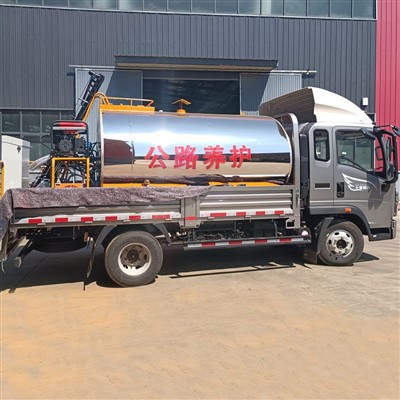
Bitumen melting machines are crucial equipment in the asphalt industry, used for heating and melting bitumen to a workable state for various applications such as road construction, roofing, and waterproofing. Regular cleaning of these machines is essential to ensure their optimal performance, extend their lifespan, and maintain the quality of the bitumen. As a leading supplier of Asphalt Melting Machine, Bitumen Melting Equipment, and Asphalt Melting Plant, we understand the importance of proper cleaning procedures. In this blog, we will guide you through the step-by-step process of cleaning a bitumen melting machine.
Step 1: Preparation
Before starting the cleaning process, it is important to take the necessary safety precautions. Wear appropriate personal protective equipment (PPE), including heat-resistant gloves, goggles, and a face shield, to protect yourself from hot bitumen and cleaning chemicals. Make sure the machine is turned off and cooled down completely to avoid any risk of burns.
Gather all the required cleaning tools and materials, such as a scraper, wire brush, solvent, and a pressure washer. The type of solvent you use will depend on the type of bitumen and the machine's specifications. It is recommended to use a solvent that is specifically designed for cleaning bitumen and is compatible with the machine's materials.
Step 2: Empty the Machine
The first step in cleaning a bitumen melting machine is to empty it of any remaining bitumen. This can be done by draining the bitumen from the machine's tank or reservoir. Use a valve or a drain plug to release the bitumen into a suitable container. Make sure to follow all local regulations and guidelines for the proper disposal of bitumen.
Once the bitumen has been drained, use a scraper to remove any solidified bitumen from the walls and bottom of the tank. Be careful not to scratch or damage the tank's surface. If there are any stubborn deposits, you can use a wire brush to scrub them off.
Step 3: Disassemble the Machine
To clean the bitumen melting machine thoroughly, it may be necessary to disassemble some of its components. This will allow you to access hard-to-reach areas and remove any accumulated bitumen and debris. Refer to the machine's user manual for specific instructions on how to disassemble the machine safely.
Typically, you will need to remove the heating elements, pumps, valves, and filters. Place the disassembled components in a container filled with solvent and let them soak for a few hours or overnight. This will help to loosen the bitumen and make it easier to clean.
Step 4: Clean the Components
After the components have soaked in the solvent, use a wire brush or a soft cloth to scrub them clean. Pay special attention to the heating elements, as they can become clogged with bitumen over time, reducing their efficiency. Make sure to remove all the bitumen and debris from the components and rinse them thoroughly with clean water.
If the components are still dirty or have stubborn deposits, you can use a pressure washer to clean them. Adjust the pressure washer to a low setting to avoid damaging the components. Make sure to dry the components completely before reassembling them.
Step 5: Clean the Tank
Once the components have been cleaned, it's time to clean the machine's tank. Use a pressure washer to spray the tank with a solvent solution. Start from the top and work your way down, making sure to cover all the surfaces of the tank. Pay special attention to the corners and edges, where bitumen and debris tend to accumulate.
After spraying the tank with the solvent solution, use a wire brush or a scraper to scrub the walls and bottom of the tank. This will help to remove any remaining bitumen and debris. Rinse the tank thoroughly with clean water to remove all the solvent and debris.
Step 6: Reassemble the Machine
After the tank and components have been cleaned and dried, it's time to reassemble the machine. Follow the machine's user manual for specific instructions on how to reassemble the components correctly. Make sure to tighten all the bolts and connections securely to prevent any leaks.
Once the machine has been reassembled, fill the tank with clean water and run the machine for a few minutes to flush out any remaining cleaning chemicals and debris. Drain the water from the tank and repeat the process if necessary.
Step 7: Perform a Final Inspection
After the machine has been cleaned and reassembled, perform a final inspection to make sure everything is in working order. Check the heating elements, pumps, valves, and filters to ensure they are functioning properly. Look for any signs of leaks or damage and make any necessary repairs.
Test the machine by melting a small amount of bitumen and checking the temperature and flow rate. Make sure the bitumen is melting evenly and that the machine is operating smoothly. If you notice any problems or issues, contact a qualified technician for assistance.
Step 8: Maintenance and Prevention
Regular cleaning is just one part of maintaining a bitumen melting machine. To ensure its long-term performance and reliability, it is important to follow a regular maintenance schedule. This includes checking the machine's components for wear and tear, lubricating moving parts, and replacing any worn or damaged parts.
In addition to regular maintenance, it is also important to take steps to prevent bitumen from accumulating in the machine. This can be done by using a high-quality bitumen with a low viscosity, maintaining the correct temperature during the melting process, and avoiding overfilling the machine's tank.
Conclusion
Cleaning a bitumen melting machine is an important part of its maintenance and operation. By following the steps outlined in this blog, you can ensure that your machine is clean, efficient, and safe to use. Regular cleaning and maintenance will not only extend the lifespan of your machine but also improve the quality of the bitumen and reduce the risk of breakdowns and costly repairs.


If you are in the market for a new bitumen melting machine or need any assistance with cleaning or maintaining your existing machine, please do not hesitate to contact us. As a leading supplier of Asphalt Melting Machine, Bitumen Melting Equipment, and Asphalt Melting Plant, we have the expertise and experience to provide you with the best solutions for your needs. Contact us today to discuss your requirements and learn more about our products and services.
References
- Manufacturer's user manual for the bitumen melting machine
- Local regulations and guidelines for the proper disposal of bitumen
- Safety data sheets (SDS) for the cleaning chemicals and solvents used