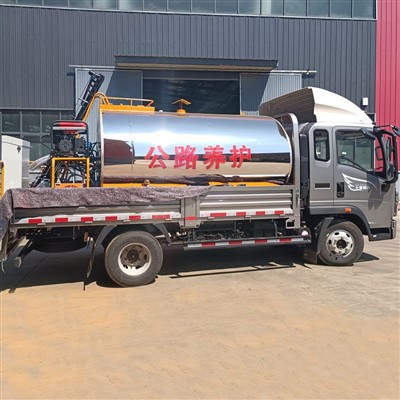
Accurate temperature control in a bitumen melting plant is crucial for ensuring the quality of the bitumen produced, enhancing operational efficiency, and guaranteeing safety. As a leading supplier of bitumen melting plants, we understand the significance of this aspect and have extensive experience in providing solutions for optimal temperature management. In this blog, we will delve into the key factors and methods for accurately controlling the temperature in a bitumen melting plant.
Understanding the Importance of Temperature Control in Bitumen Melting
Bitumen is a highly viscous material that requires careful heating to reach the appropriate consistency for use in various applications such as road construction, roofing, and waterproofing. If the temperature is too low, the bitumen will remain too thick, making it difficult to pump, mix, and apply. On the other hand, if the temperature is too high, it can cause the bitumen to degrade, leading to a loss of its desired properties and potentially creating safety hazards due to the release of harmful fumes.
Maintaining the correct temperature also affects the energy efficiency of the melting process. Overheating not only wastes energy but also increases the wear and tear on the equipment, leading to higher maintenance costs and a shorter lifespan for the plant. Therefore, precise temperature control is essential for achieving both product quality and cost - effectiveness.
Factors Affecting Temperature in a Bitumen Melting Plant
1. Heat Source
The type of heat source used in the bitumen melting plant has a significant impact on temperature control. Common heat sources include direct - fired burners, indirect - fired heaters, and steam heating systems.
- Direct - fired burners: These provide a high - intensity heat source but can be difficult to control precisely. The flame temperature can be very high, and if not properly regulated, it can cause local overheating of the bitumen, leading to degradation.
- Indirect - fired heaters: They offer better temperature control as the heat is transferred to the bitumen through a heat exchanger. This reduces the risk of direct contact between the bitumen and the high - temperature flame, minimizing the chances of overheating.
- Steam heating systems: Steam is a relatively gentle heat source that allows for more precise temperature control. The temperature of the steam can be easily adjusted by controlling the pressure, making it suitable for applications where a consistent and moderate temperature is required.
2. Insulation
Proper insulation of the melting tanks and pipes is essential for maintaining a stable temperature. Insulation helps to reduce heat loss to the surrounding environment, ensuring that the energy used for heating is effectively utilized. Poor insulation can lead to significant temperature variations, as heat escapes from the system, requiring additional energy input to maintain the desired temperature.
3. Bitumen Properties
The properties of the bitumen itself, such as its viscosity, specific heat capacity, and melting point, also affect the temperature control process. Different grades of bitumen have different melting points and heating requirements. For example, a harder grade of bitumen will require a higher temperature to reach the desired fluidity compared to a softer grade.
4. Flow Rate
The flow rate of the bitumen through the melting plant can influence the temperature distribution. A high flow rate may not allow sufficient time for the bitumen to reach the desired temperature, while a low flow rate can cause overheating in some areas, especially if the heat source is not evenly distributed.
Methods for Accurate Temperature Control
1. Temperature Sensors and Controllers
Installing high - quality temperature sensors at strategic points in the melting plant is the first step in accurate temperature control. These sensors can measure the temperature of the bitumen in the tanks, pipes, and at the outlet of the heat exchanger. The data collected by the sensors is then sent to a temperature controller, which can adjust the heat input based on the pre - set temperature parameters.
Modern temperature controllers use advanced algorithms to regulate the heat source, ensuring that the temperature remains within a narrow range. For example, a proportional - integral - derivative (PID) controller can continuously adjust the heat input based on the difference between the actual and the setpoint temperature, as well as the rate of change of the temperature.
2. Automated Control Systems
Automated control systems can significantly improve the accuracy of temperature control in a bitumen melting plant. These systems can integrate the temperature sensors, controllers, and the heat source to create a closed - loop control system. The automated system can monitor the temperature in real - time and make adjustments to the heat input as needed, without the need for constant manual intervention. This not only improves the precision of temperature control but also enhances the safety and efficiency of the operation.
3. Heat Exchanger Design
The design of the heat exchanger plays a crucial role in temperature control. A well - designed heat exchanger can ensure efficient heat transfer from the heat source to the bitumen, while minimizing the risk of overheating. Factors such as the surface area of the heat exchanger, the flow pattern of the bitumen and the heating medium, and the material of construction all affect the performance of the heat exchanger.
4. Regular Maintenance and Calibration
Regular maintenance of the temperature sensors, controllers, and other equipment is essential for accurate temperature control. Over time, sensors can become inaccurate due to wear and tear, and controllers may require calibration to ensure that they are functioning correctly. By conducting regular maintenance and calibration, we can ensure that the temperature control system remains reliable and accurate.
Our Solutions as a Bitumen Melting Plant Supplier
As a trusted supplier of Asphalt Melting Machine and Asphalt Melting Equipment, we offer a range of products and services designed to achieve accurate temperature control in bitumen melting plants.


Our melting plants are equipped with state - of - the - art temperature sensors and controllers that provide real - time temperature monitoring and precise control. We use high - quality insulation materials to minimize heat loss and ensure a stable temperature environment. Our heat exchangers are designed for optimal heat transfer efficiency, allowing for uniform heating of the bitumen.
In addition, we offer comprehensive after - sales service, including regular maintenance and calibration of the temperature control systems. Our team of experts can also provide customized solutions based on the specific requirements of our customers, ensuring that they achieve the best possible results in terms of temperature control and product quality.
Conclusion
Accurate temperature control in a bitumen melting plant is a complex but essential process. By understanding the factors that affect temperature, implementing appropriate control methods, and using high - quality equipment, it is possible to achieve a stable and precise temperature, leading to improved product quality, energy efficiency, and safety.
If you are in the market for a reliable Bitumen Melting Equipment or looking to upgrade your existing bitumen melting plant, we invite you to contact us. Our team of experts is ready to assist you in finding the best solution for your specific needs. We look forward to the opportunity to work with you and help you achieve accurate temperature control in your bitumen melting operations.
References
- "Bitumen Technology and Refining" by J. M. Collin
- "Principles of Heat Transfer" by Frank P. Incropera and David P. DeWitt
- Industry standards and guidelines for bitumen production and temperature control