How to Ensure the Quality of Modified Bitumen Produced by the Plant
As a supplier of modified bitumen plants, ensuring the quality of the modified bitumen produced is of utmost importance. Modified bitumen is widely used in various construction projects, such as road paving, waterproofing, and roofing. Its performance directly affects the durability and safety of these projects. In this blog, I will share some key factors and strategies that can help us ensure the high - quality production of modified bitumen in our plants.
Raw Material Selection
The quality of raw materials is the foundation of high - quality modified bitumen. The base bitumen, polymers, and other additives all play crucial roles.
Base Bitumen: We need to carefully select the base bitumen according to the project requirements. Different sources and grades of base bitumen have different chemical compositions and physical properties. For example, penetration grade bitumen is commonly used, and its penetration value, softening point, and ductility should meet the relevant standards. We should establish long - term partnerships with reliable bitumen suppliers and conduct strict incoming inspections. Regularly test the base bitumen for key parameters such as viscosity, flash point, and density to ensure its consistency and compliance with specifications.
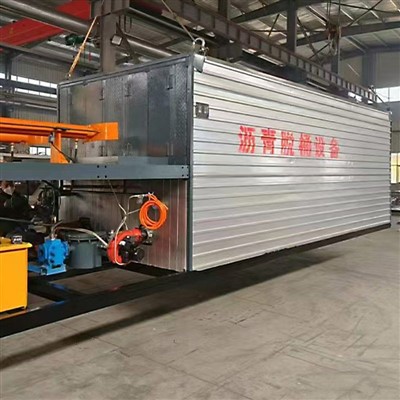
Polymers: Polymers are added to modify the properties of bitumen, such as improving its elasticity, durability, and resistance to deformation. Common polymers used in modified bitumen include styrene - butadiene - styrene (SBS), ethylene - vinyl acetate (EVA), and others. The quality of polymers can vary significantly. We should choose polymers with high purity and consistent molecular weight distribution. The storage and handling of polymers are also critical. They should be stored in a dry and cool place to prevent degradation. Before adding polymers to the bitumen, we need to ensure that they are uniformly dispersed. This can be achieved through proper mixing equipment, such as the Modified Asphalt Production Equipment which is designed to break down the polymer particles and disperse them evenly in the bitumen matrix.
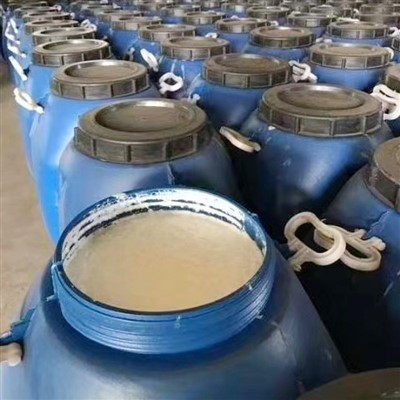
Additives: Other additives, such as antioxidants, stabilizers, and anti - stripping agents, can also enhance the performance of modified bitumen. These additives should be selected based on the specific requirements of the project and the characteristics of the base bitumen and polymers. For example, antioxidants can prevent the oxidation of bitumen during storage and use, while anti - stripping agents can improve the adhesion between bitumen and aggregates in road construction.
Equipment and Process Control
Mixing Equipment: The mixing equipment in the modified bitumen plant is the key to achieving uniform dispersion of polymers and additives in the bitumen. High - shear mixers are commonly used to break down the polymer particles and ensure their homogeneous distribution. Our Asphalt Modified Equipment is designed with advanced technology to provide high - intensity shearing force, which can effectively disperse polymers in a short time. The mixing time and temperature are also important factors. Generally, a longer mixing time can improve the dispersion of polymers, but it also needs to be balanced with energy consumption and production efficiency. The mixing temperature should be controlled within a suitable range. Too low a temperature may result in incomplete melting and dispersion of polymers, while too high a temperature may cause polymer degradation.
Temperature Control: Temperature control throughout the production process is crucial. In the melting stage of the base bitumen, the temperature should be high enough to ensure its fluidity but not too high to cause thermal degradation. During the mixing process with polymers and additives, the temperature needs to be maintained at an appropriate level to facilitate the reaction and dispersion. After production, the storage temperature of modified bitumen also needs to be controlled. If the storage temperature is too low, the bitumen may solidify, while if it is too high, it may lead to oxidation and performance deterioration.


Quality Monitoring during Production: Continuous quality monitoring during the production process is essential. We should set up in - line monitoring systems to measure key parameters such as viscosity, softening point, and polymer content in real - time. These monitoring systems can provide timely feedback, allowing us to adjust the production process parameters if necessary. For example, if the viscosity of the modified bitumen is lower than the specified value, we can increase the polymer content or adjust the mixing time and temperature.
Staff Training and Quality Management System
Staff Training: Well - trained staff is the key to ensuring the quality of modified bitumen production. Our operators should have a good understanding of the production process, equipment operation, and quality control requirements. Regular training programs should be provided to update their knowledge and skills. They should be trained on how to operate the Polymer Modified Asphalt Plant correctly, how to handle raw materials safely, and how to conduct quality inspections. In addition, they should also be educated on the importance of quality control and be able to identify and solve potential problems in a timely manner.
Quality Management System: Establishing a comprehensive quality management system is crucial. This system should cover all aspects of production, from raw material procurement to finished product delivery. We should set up strict quality standards and inspection procedures. For example, incoming raw materials should be inspected according to a set of criteria, and finished products should be tested against industry standards and customer requirements before leaving the factory. Regular internal audits and management reviews should be carried out to ensure the effectiveness of the quality management system.
Storage and Transportation
Storage: Proper storage of modified bitumen is important to maintain its quality. The storage tanks should be clean and well - insulated to prevent heat loss and contamination. The tanks should also be equipped with agitation devices to prevent sedimentation of polymers and additives. Regular sampling and testing of the stored modified bitumen should be carried out to monitor its quality changes over time.
Transportation: During transportation, the modified bitumen should be protected from temperature changes, mechanical shocks, and contamination. Specialized tank trucks with good insulation and temperature control capabilities should be used. The transportation process should also be monitored to ensure that the bitumen arrives at the construction site in good condition.
In conclusion, ensuring the quality of modified bitumen produced by our plant requires a comprehensive approach that includes raw material selection, equipment and process control, staff training, quality management, and proper storage and transportation. By paying attention to these aspects, we can produce high - quality modified bitumen that meets the needs of various construction projects.
If you are interested in our modified bitumen plants or have any questions about modified bitumen production, please feel free to contact us for further discussion and procurement negotiations. We are committed to providing you with high - quality products and professional services.
References
- Kandhal, P. S., & Mallick, R. B. (1998). Superpave mix design manual for new construction and overlays. National Asphalt Pavement Association.
- Bahia, H. U., Anderson, D. A., & Hanson, D. I. (2001). Performance - graded asphalt binder specification and test method. Journal of the Association of Asphalt Paving Technologists, 70, 1 - 40.
- Xiao, F., & Amirkhanian, S. N. (2006). Evaluation of the effect of SBS polymer modification on asphalt binder properties. Construction and Building Materials, 20(9), 712 - 720.