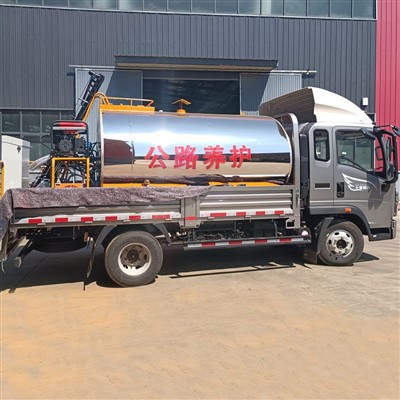
Hey there! As a supplier of Asphalt Distributor Tanks, I've seen firsthand the importance of ensuring the smooth operation of the pump in these tanks. A well - functioning pump is crucial for the efficient distribution of asphalt, which in turn affects the quality of road construction and maintenance projects. In this blog, I'll share some tips on how to keep that pump running smoothly.
1. Regular Maintenance Checks
Just like you take your car in for regular tune - ups, your asphalt distributor tank pump needs routine maintenance. This includes checking the pump's oil level. Low oil can cause excessive friction and wear on the pump's moving parts. You should also inspect the seals regularly. Worn - out seals can lead to leaks, which not only waste asphalt but can also damage the pump over time.
Another important part of maintenance is cleaning the filter. A clogged filter can restrict the flow of asphalt to the pump, causing it to work harder than necessary. This can lead to overheating and premature failure. Make sure to follow the manufacturer's recommendations on how often to clean or replace the filter.
2. Proper Installation
The way the pump is installed in the Asphalt Distributor Tank can have a huge impact on its performance. First of all, it needs to be installed in a stable position. Any vibrations or movements can cause stress on the pump and its components. You should also ensure that the inlet and outlet connections are properly tightened. Loose connections can lead to leaks and air entering the system, which can disrupt the flow of asphalt.
When installing the pump, pay attention to the alignment. Misaligned pumps can cause uneven wear on the impeller and other parts, reducing the pump's efficiency and lifespan. If you're not confident in your installation skills, it's always a good idea to hire a professional.
3. Use the Right Asphalt
Not all asphalt is created equal, and using the wrong type can cause problems for your pump. Different pumps are designed to handle different viscosities of asphalt. If the asphalt is too thick, the pump may struggle to move it through the system, leading to overheating and potential damage. On the other hand, if the asphalt is too thin, it may not provide enough lubrication for the pump's moving parts.
Make sure to consult the pump's manual to determine the appropriate type and viscosity of asphalt for your specific pump. Also, keep in mind that the temperature of the asphalt can affect its viscosity. You may need to adjust the temperature of the asphalt in the tank to ensure it's within the pump's operating range.
4. Monitor the Pump's Performance
Keep an eye on how the pump is performing during operation. Listen for any unusual noises, such as grinding or rattling. These could be signs of a problem, like a loose part or a worn - out bearing. You should also monitor the pressure gauge. A sudden drop or increase in pressure could indicate a blockage or a malfunction in the pump.
If you notice any changes in the pump's performance, don't ignore them. It's better to address the issue early on before it turns into a major problem. You can also keep a log of the pump's performance over time. This can help you identify any trends or patterns that may indicate a developing issue.
5. Train Your Operators
Your operators play a crucial role in ensuring the smooth operation of the pump. They need to be properly trained on how to use the Asphalt Distributor Tank and its pump. This includes understanding how to start and stop the pump correctly, how to monitor its performance, and what to do in case of an emergency.
Training should also cover safety procedures. Operators should know how to handle asphalt safely, as it can be hot and sticky. They should also be aware of the potential hazards associated with the pump, such as electrical shocks or moving parts. Regular training sessions can help keep your operators up - to - date on the latest best practices.
6. Keep Spare Parts on Hand
No matter how well you maintain your pump, there's always a chance that something could go wrong. That's why it's a good idea to keep some spare parts on hand. Common spare parts for asphalt distributor tank pumps include seals, gaskets, impellers, and bearings. Having these parts readily available can reduce downtime in case of a breakdown.
Make sure to store the spare parts in a clean, dry place. Exposure to moisture or dirt can damage the parts and make them unusable. You should also keep an inventory of your spare parts and check it regularly to ensure you have everything you need.
Why Choose Our Asphalt Distributor Tanks
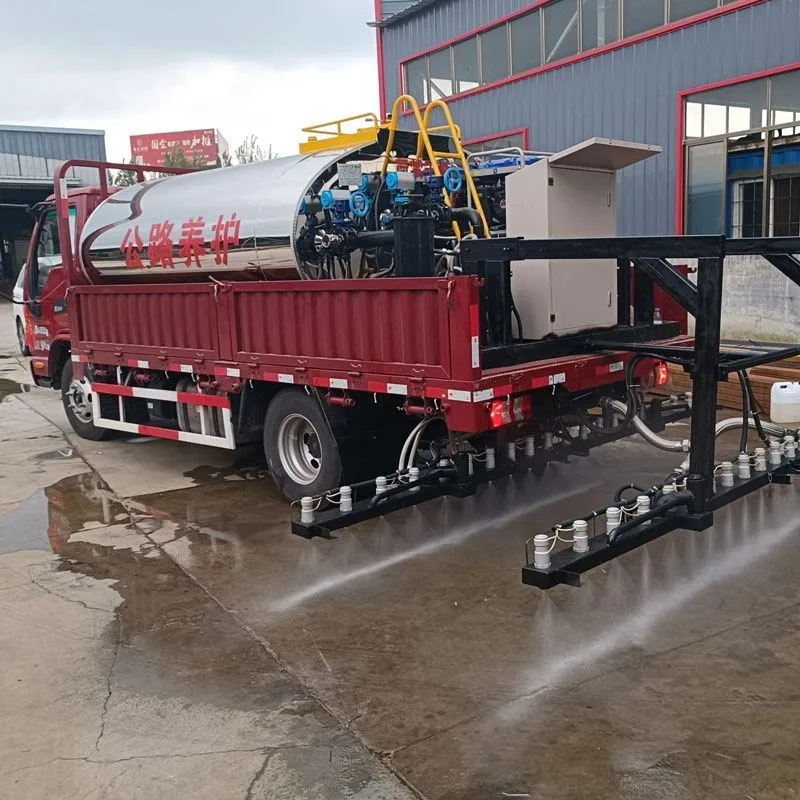
At our company, we're dedicated to providing high - quality Asphalt Distributor Tanks. Our tanks are designed with the latest technology to ensure the efficient and reliable operation of the pump. We offer a range of products, including the Standard Asphalt Distributor and the Asphalt Distributor Truck. You can also check out our Asphalt Distributor Tank for more details.
Our team of experts is always available to provide support and advice on how to ensure the smooth operation of your pump. Whether you're a small contractor or a large construction company, we have the right solution for you.
If you're in the market for an Asphalt Distributor Tank or need help with your existing pump, don't hesitate to get in touch. We're here to help you with all your asphalt distribution needs. Let's work together to make your road construction and maintenance projects a success!
References
- Manufacturer's manuals for asphalt distributor tank pumps
- Industry best practices for asphalt distribution equipment maintenance
- Safety guidelines for operating asphalt distributor tanks