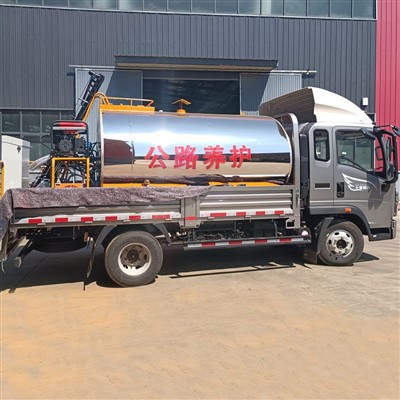
Hey there! As a supplier of Bitumen Emulsion Plants, I've seen firsthand how important it is to keep these plants running efficiently for as long as possible. A bitumen emulsion plant is a significant investment, and extending its lifespan not only saves you money but also ensures consistent production quality. In this blog, I'll share some practical tips on how to extend the lifespan of a bitumen emulsion plant.
Regular Maintenance
Regular maintenance is the cornerstone of extending the lifespan of any industrial equipment, and a bitumen emulsion plant is no exception. Think of it like taking your car in for regular oil changes and tune - ups.
Cleaning
One of the simplest yet most effective ways to maintain your bitumen emulsion plant is through regular cleaning. Bitumen can build up over time in pipes, tanks, and other components. This buildup can restrict flow, reduce efficiency, and even cause corrosion. Make sure to clean the plant's internal parts, such as the colloid mill, storage tanks, and pipelines, on a regular schedule. Use appropriate cleaning agents that are compatible with bitumen and the materials of the plant. For example, some plants may require a specific solvent to dissolve bitumen residues without damaging the equipment. You can find more information about cleaning and maintaining Emulsion Bitumen Equipment.
Inspection
Frequent inspections are crucial for identifying potential problems before they turn into major disasters. Check for signs of wear and tear on all moving parts, such as pumps, motors, and belts. Look for any leaks in pipes and connections, as even a small leak can lead to significant product loss and environmental issues. Inspect the electrical systems for damaged wires, loose connections, or overheating components. Regularly test safety devices, such as pressure relief valves and emergency stop buttons, to ensure they are in proper working condition.
Lubrication
Proper lubrication is essential for the smooth operation of mechanical parts in a bitumen emulsion plant. Moving parts like bearings, gears, and shafts need to be lubricated regularly to reduce friction and prevent premature wear. Use the right type of lubricant recommended by the equipment manufacturer. Over - lubrication can be just as bad as under - lubrication, so follow the specified lubrication intervals and amounts.
Operator Training
Well - trained operators are the key to the long - term success of a bitumen emulsion plant. An operator who understands how to operate the plant correctly can prevent many common problems and ensure its efficient and safe operation.
Proper Operation Procedures
Train your operators on the correct startup, shutdown, and operating procedures of the bitumen emulsion plant. Incorrect operation, such as starting the plant too quickly or shutting it down without proper cooling, can cause damage to the equipment. For example, if the colloid mill is not properly primed before startup, it can lead to excessive wear on the grinding surfaces. Make sure operators are aware of the optimal operating parameters, such as temperature, pressure, and flow rates, and how to adjust them as needed.
Monitoring and Troubleshooting
Teach operators how to monitor the plant's performance using the available sensors and control systems. They should be able to detect any abnormal readings, such as sudden changes in temperature or pressure, and take appropriate action. Provide them with troubleshooting guides so that they can quickly identify and resolve minor problems on their own. This not only saves time but also prevents small issues from escalating into major breakdowns.


Quality of Input Materials
The quality of the input materials used in a bitumen emulsion plant can have a significant impact on its lifespan.
Bitumen Quality
Use high - quality bitumen that meets the specifications required for the emulsion production. Low - quality bitumen may contain impurities that can cause abrasion in the plant's components, especially in the colloid mill. Impurities can also lead to the formation of deposits in pipes and tanks, reducing the efficiency of the plant. Work with reliable bitumen suppliers and test the bitumen before using it in the plant.
Emulsifier and Additives
Choose the right emulsifier and additives for your bitumen emulsion production. The emulsifier should be compatible with the bitumen and the water used in the process. Incorrect emulsifiers can result in poor emulsion stability, which may cause clogging in the plant's nozzles and pipelines. Additives, such as stabilizers and antioxidants, can also affect the performance and lifespan of the plant. Make sure to follow the recommended dosages and mixing procedures for these additives. You can learn more about the equipment used in this process from Asphalt Emulsion Equipment.
Environmental Considerations
The environment in which the bitumen emulsion plant operates can also influence its lifespan.
Temperature and Humidity
Extreme temperatures and high humidity can have a negative impact on the plant's components. In hot climates, the equipment may overheat, leading to accelerated wear on electrical and mechanical parts. In cold climates, bitumen may become too viscous, making it difficult to pump and process. Install temperature - control systems, such as heaters or coolers, to maintain the optimal operating temperature inside the plant. Dehumidifiers can be used in humid environments to prevent corrosion of metal parts.
Dust and Pollution
If the plant is located in a dusty or polluted area, take measures to protect the equipment from dust and debris. Install air filters on intake vents to prevent dust from entering the plant's internal components. Regularly clean the exterior of the plant to remove any accumulated dirt and pollutants.
Upgrades and Modernization
As technology advances, consider upgrading your bitumen emulsion plant to improve its performance and extend its lifespan.
New Control Systems
Invest in modern control systems that can provide more accurate monitoring and control of the plant's operations. These systems can optimize the production process, reduce energy consumption, and prevent over - stress on the equipment. For example, a programmable logic controller (PLC) can be used to automate many of the plant's functions, ensuring consistent and efficient operation.
Replacement of Worn - Out Parts
Don't hesitate to replace worn - out parts with new, high - quality components. Using old and damaged parts can lead to further damage to the plant and reduce its overall efficiency. Keep a stock of critical spare parts on hand to minimize downtime in case of a breakdown. You can find a wide range of Bitumen Emulsion Equipment for replacement and upgrades.
Conclusion
Extending the lifespan of a bitumen emulsion plant requires a combination of regular maintenance, proper operator training, using high - quality input materials, considering environmental factors, and making timely upgrades. By following these tips, you can ensure that your plant operates efficiently for many years to come.
If you're in the market for a new bitumen emulsion plant or looking to upgrade your existing one, I'd love to have a chat with you. Our team of experts can provide you with the best solutions tailored to your specific needs. Reach out to us to start the conversation about your bitumen emulsion plant requirements.
References
- "Bitumen Emulsion Technology Handbook"
- Industry standards and guidelines for bitumen emulsion plants