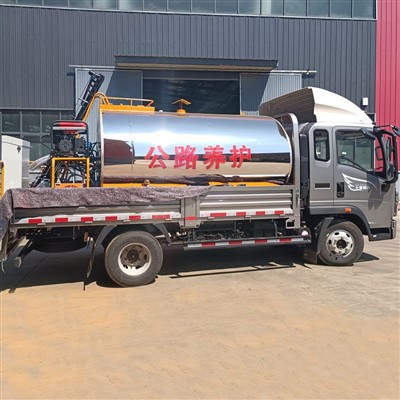
Improving the mixing quality in a rubber asphalt plant is crucial for producing high - performance rubber asphalt, which is widely used in road construction for its excellent properties such as enhanced durability, skid resistance, and noise reduction. As a reputable rubber asphalt plant supplier, we understand the significance of achieving optimal mixing quality and are here to share some valuable insights.
Understanding the Basics of Rubber Asphalt Mixing
Before delving into the ways to improve mixing quality, it's essential to understand the basic process of rubber asphalt mixing. Rubber asphalt is typically produced by blending asphalt binder with rubber particles, usually crumb rubber derived from recycled tires. The mixing process involves heating the asphalt to a specific temperature, adding the rubber particles, and then agitating the mixture to ensure a homogeneous blend.
The quality of the raw materials plays a vital role in the mixing process. High - quality asphalt binder with appropriate viscosity and penetration grade is necessary. Similarly, the rubber particles should have a consistent size distribution and proper surface characteristics. Any variation in the raw materials can affect the mixing quality and the final properties of the rubber asphalt.
Equipment Selection and Maintenance
One of the key factors in improving mixing quality is the selection of the right equipment. Our Asphalt Rubber Blending Plant is designed with advanced technology to ensure efficient and uniform mixing. It is equipped with high - shear mixers that can break down the rubber particles and disperse them evenly in the asphalt binder.
Regular maintenance of the equipment is also essential. Worn - out parts such as mixer blades can lead to uneven mixing. We recommend a strict maintenance schedule that includes checking and replacing parts as needed. This not only improves the mixing quality but also extends the lifespan of the equipment. For example, the seals in the mixing chamber should be inspected regularly to prevent leakage, which can disrupt the mixing process and lead to inconsistent product quality.


Temperature Control
Temperature is a critical parameter in rubber asphalt mixing. The asphalt needs to be heated to a temperature high enough to reduce its viscosity and allow for easy mixing with the rubber particles. However, excessive temperature can cause the rubber to degrade, leading to a decrease in the performance of the rubber asphalt.
Our Rubber Asphalt Production Equipment is equipped with precise temperature control systems. These systems can monitor and adjust the temperature in real - time, ensuring that the mixing process occurs within the optimal temperature range. For most rubber asphalt formulations, the mixing temperature typically ranges from 170°C to 200°C. Maintaining this temperature range helps to achieve a good balance between the dispersion of the rubber particles and the preservation of their properties.
Mixing Time and Speed
The mixing time and speed are also important factors in achieving high - quality rubber asphalt. Insufficient mixing time may result in incomplete dispersion of the rubber particles, while excessive mixing time can be energy - consuming and may also cause degradation of the rubber.
The mixing speed should be adjusted according to the type and size of the rubber particles and the viscosity of the asphalt. High - shear mixers can operate at different speeds, and our equipment allows for easy adjustment of the mixing speed. In general, a higher mixing speed is required at the beginning of the process to break down the rubber particles, followed by a lower speed to ensure uniform dispersion.
Quality Control and Testing
Implementing a comprehensive quality control program is essential for improving mixing quality. This includes regular sampling and testing of the rubber asphalt during the production process. Tests such as viscosity, penetration, and softening point can provide valuable information about the quality of the mixture.
We recommend setting up a quality control laboratory equipped with the necessary testing equipment. By analyzing the test results, adjustments can be made to the mixing process, such as adjusting the temperature, mixing time, or the ratio of asphalt to rubber. This ensures that the final product meets the required specifications.
Training and Operator Skills
The skills and knowledge of the operators also have a significant impact on the mixing quality. Our company provides comprehensive training programs for operators of our Mobile Rubber Asphalt Plant and other equipment. These programs cover topics such as equipment operation, maintenance, and quality control.
Well - trained operators are more likely to follow the correct procedures and make timely adjustments to the mixing process. They can also identify and troubleshoot problems quickly, minimizing downtime and ensuring consistent product quality.
Continuous Improvement
Improving the mixing quality in a rubber asphalt plant is an ongoing process. We encourage our customers to collect data on the production process and analyze it regularly. By identifying trends and areas for improvement, changes can be made to the equipment, process parameters, or raw materials.
For example, if the test results show that the viscosity of the rubber asphalt is consistently higher than the target value, it may be necessary to adjust the mixing temperature or the amount of rubber added. Continuous improvement not only enhances the mixing quality but also increases the efficiency and profitability of the rubber asphalt production.
Conclusion
In conclusion, improving the mixing quality in a rubber asphalt plant requires a comprehensive approach that includes equipment selection and maintenance, temperature control, proper mixing time and speed, quality control, operator training, and continuous improvement. As a leading rubber asphalt plant supplier, we are committed to providing our customers with high - quality equipment and technical support to help them achieve optimal mixing quality.
If you are interested in improving the mixing quality of your rubber asphalt production or are considering purchasing a new rubber asphalt plant, we invite you to contact us for a detailed discussion. Our team of experts is ready to assist you in finding the best solutions for your specific needs.
References
- Kandhal, P. S., & Mallick, R. B. (1998). Rubberized Asphalt Concrete for Highway Construction. NAPA Research and Education Foundation.
- Xiao, F., & Amirkhanian, S. N. (2009). Performance of Rubberized Asphalt Concrete Containing Reclaimed Asphalt Pavement. Journal of Materials in Civil Engineering, 21(7), 491 - 499.
- Bahia, H. U., Davies, P., Anderson, D. A., & Hanson, D. I. (2001). Performance - Graded Asphalt Binder Specification and Testing. Journal of the Association of Asphalt Paving Technologists, 70, 147 - 202.