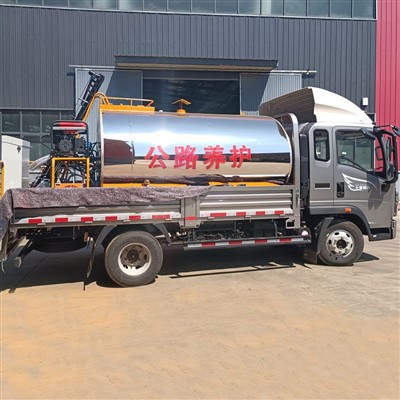
Maintaining a modified bitumen plant is crucial for ensuring its efficient operation, longevity, and the quality of the produced modified bitumen. As a leading supplier of modified bitumen plants, we understand the importance of proper maintenance. In this blog, we will share some essential tips and best practices on how to maintain a modified bitumen plant.
Regular Inspection and Monitoring
Regular inspection is the foundation of effective maintenance. It allows you to identify potential issues before they escalate into major problems. Here are some key areas to focus on during inspections:
Equipment Components
- Pumps and Valves: Check for leaks, proper functioning, and signs of wear. Ensure that the seals are intact and the valves open and close smoothly. A malfunctioning pump or valve can disrupt the flow of bitumen and additives, affecting the quality of the final product.
- Mixing Units: Inspect the mixing blades, shafts, and bearings. Look for any signs of damage, such as cracks or excessive wear. Clean the mixing chamber regularly to prevent the build - up of bitumen residues, which can reduce the efficiency of mixing.
- Heating Systems: Examine the burners, heat exchangers, and temperature sensors. Make sure the burners are firing properly and the heat is being transferred evenly to the bitumen. Faulty heating systems can lead to inconsistent bitumen temperatures, resulting in poor - quality modified bitumen.
Instrumentation and Controls
- Temperature and Pressure Sensors: Verify the accuracy of temperature and pressure sensors. Incorrect readings can cause overheating or under - heating of the bitumen, as well as improper pressure control, which may damage the equipment.
- Control Panels: Check the functionality of the control panels. Ensure that all the switches, buttons, and indicators are working correctly. Any malfunction in the control system can lead to improper operation of the plant.
Safety Devices
- Emergency Stop Buttons: Test the emergency stop buttons regularly to ensure they are in working condition. These buttons are crucial for quickly shutting down the plant in case of an emergency.
- Pressure Relief Valves: Inspect the pressure relief valves to make sure they can release excess pressure safely. Faulty pressure relief valves can pose a significant safety risk.
Cleaning and Lubrication
Proper cleaning and lubrication are essential for the smooth operation of a modified bitumen plant.
Cleaning
- Bitumen Tanks: Clean the bitumen tanks periodically to remove any sediment, sludge, or hardened bitumen. This can be done using appropriate cleaning agents and mechanical cleaning methods. A clean tank ensures better heat transfer and prevents contamination of the bitumen.
- Pipes and Hoses: Flush the pipes and hoses regularly to remove any bitumen residues. Use hot water or specialized cleaning solvents to dissolve the bitumen and ensure unobstructed flow.
- Mixing Equipment: After each production run, clean the mixing equipment thoroughly. This helps to prevent the build - up of bitumen and additives, which can affect the mixing efficiency and the quality of the next batch.
Lubrication
- Moving Parts: Lubricate all the moving parts, such as bearings, gears, and shafts, according to the manufacturer's recommendations. Proper lubrication reduces friction, wear, and heat generation, extending the lifespan of the equipment.
- Seals and Gaskets: Apply lubricants to the seals and gaskets to prevent them from drying out and cracking. This helps to maintain a proper seal and prevent leaks.
Calibration and Testing
Calibration and testing are necessary to ensure the accuracy and reliability of the plant's equipment and instrumentation.


Instrument Calibration
- Temperature and Pressure Gauges: Calibrate the temperature and pressure gauges at regular intervals to ensure accurate readings. This can be done using calibrated reference standards.
- Flow Meters: Calibrate the flow meters to ensure the correct proportion of bitumen and additives is being used. Incorrect flow rates can lead to inconsistent product quality.
Product Testing
- Quality Control Tests: Conduct regular quality control tests on the produced modified bitumen. These tests may include penetration, softening point, ductility, and viscosity tests. By monitoring the product quality, you can identify any issues with the plant's operation and make necessary adjustments.
Spare Parts Management
Maintaining an adequate inventory of spare parts is essential for minimizing downtime in case of equipment failure.
Identification of Critical Spare Parts
- Commonly Used Parts: Identify the commonly used spare parts, such as seals, gaskets, filters, and belts. These parts are more likely to wear out and need replacement.
- Critical Components: Keep spare parts for critical components, such as pumps, valves, and motors. Having these parts on hand can significantly reduce the time required to repair the plant in case of a breakdown.
Storage and Organization
- Proper Storage: Store the spare parts in a clean, dry, and organized manner. Protect them from dust, moisture, and corrosion.
- Inventory Management System: Implement an inventory management system to track the stock levels of spare parts. This helps to ensure that you always have the necessary parts available when needed.
Training and Operator Competence
Well - trained operators are key to the proper maintenance and operation of a modified bitumen plant.
Training Programs
- Initial Training: Provide comprehensive initial training to new operators. This training should cover the operation, maintenance, and safety procedures of the plant.
- Ongoing Training: Offer ongoing training to keep the operators updated on the latest technologies, maintenance techniques, and safety regulations.
Operator Competence Assessment
- Regular Assessments: Conduct regular assessments of the operators' competence. This can include practical tests and theoretical knowledge evaluations. Identify any areas where the operators need further training and provide the necessary support.
Supplier Support
As a modified bitumen plant supplier, we offer comprehensive support to our customers. We can provide technical assistance, maintenance training, and access to genuine spare parts. If you encounter any issues with your modified bitumen plant, our team of experts is ready to help you resolve them quickly and efficiently.
If you are interested in our Polymer Modified Bitumen Plant, Asphalt Modified Equipment, or Polymer Modified Asphalt Plant, please feel free to contact us for more information and to discuss your specific requirements. We are committed to providing you with high - quality products and excellent after - sales service.
Conclusion
Maintaining a modified bitumen plant requires a comprehensive approach that includes regular inspection, cleaning, lubrication, calibration, spare parts management, and operator training. By following these best practices, you can ensure the efficient operation of your plant, produce high - quality modified bitumen, and extend the lifespan of your equipment. If you have any questions or need further advice on maintaining your modified bitumen plant, do not hesitate to reach out to us.
References
- Bitumen Technology Handbook, various industry publications
- Manufacturer's manuals for modified bitumen plant equipment