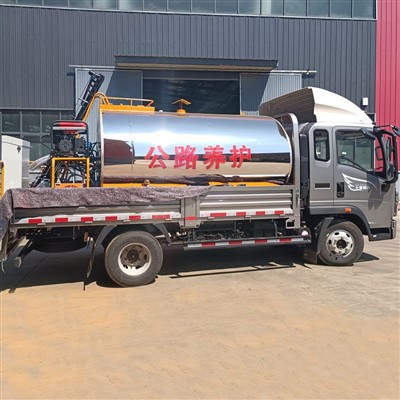
Hey there! As a supplier of asphalt distributors, I've been getting a lot of questions lately about how to accurately measure the spraying thickness of asphalt by an asphalt distributor. It's a crucial aspect of any road construction or maintenance project, as the right thickness ensures the durability and performance of the asphalt surface. So, I thought I'd share some insights and methods that can help you achieve that precision.
First off, let's understand why measuring the spraying thickness is so important. If the asphalt layer is too thin, it won't provide enough protection against wear and tear, leading to premature cracking and potholes. On the other hand, an overly thick layer can be a waste of materials and increase costs. Plus, it might not adhere properly to the underlying surface. So, getting that sweet spot is key.
Now, there are a few different ways to measure the spraying thickness, and I'll break them down for you.
Direct Measurement Methods
One of the most straightforward ways is the direct measurement method. This involves taking samples of the sprayed asphalt at various points on the surface and measuring the thickness using a thickness gauge. You can use a digital or analog gauge, depending on your preference and the level of accuracy you need.
To do this, you'll need to mark off a small area on the freshly sprayed asphalt. Then, carefully cut out a sample using a sharp knife or a core sampler. Make sure the sample is representative of the overall spraying thickness. Once you have the sample, place it on a flat surface and use the gauge to measure the thickness at multiple points. Take an average of these measurements to get a more accurate result.
This method is relatively simple and gives you a direct measurement of the actual thickness. However, it's a bit time-consuming and can be destructive to the asphalt surface. You also need to be careful when taking the samples to avoid any errors.

Indirect Measurement Methods
If you don't want to damage the asphalt surface or if you need to measure the thickness over a large area, indirect measurement methods are a great option. One popular indirect method is the use of non-destructive testing (NDT) techniques.
One such technique is the use of ground-penetrating radar (GPR). GPR works by sending electromagnetic waves into the asphalt surface and measuring the reflections. Based on the time it takes for the waves to bounce back, you can calculate the thickness of the asphalt layer. This method is fast, non-destructive, and can cover a large area in a short amount of time.
Another indirect method is the use of ultrasonic testing. Ultrasonic waves are sent through the asphalt layer, and the time it takes for the waves to travel through the material is measured. The thickness of the asphalt can then be calculated based on the speed of the waves in the material. This method is also non-destructive and can provide accurate results.
However, these indirect methods require specialized equipment and trained operators. They can also be affected by factors such as the moisture content of the asphalt and the presence of other materials in the ground. So, you need to make sure you use the right equipment and follow the proper procedures to get accurate results.
Factors Affecting Spraying Thickness
Before we move on to some tips for ensuring accurate spraying thickness, it's important to understand the factors that can affect it. Here are some of the main factors:
- Asphalt Temperature: The temperature of the asphalt at the time of spraying can have a big impact on the spraying thickness. If the asphalt is too hot, it will be more fluid and may spread out more, resulting in a thinner layer. On the other hand, if the asphalt is too cold, it may not spread evenly and can result in a thicker layer in some areas.
- Spraying Pressure: The pressure at which the asphalt is sprayed also affects the thickness. Higher pressure can result in a thinner layer, while lower pressure can result in a thicker layer. You need to adjust the spraying pressure based on the type of asphalt, the surface conditions, and the desired thickness.
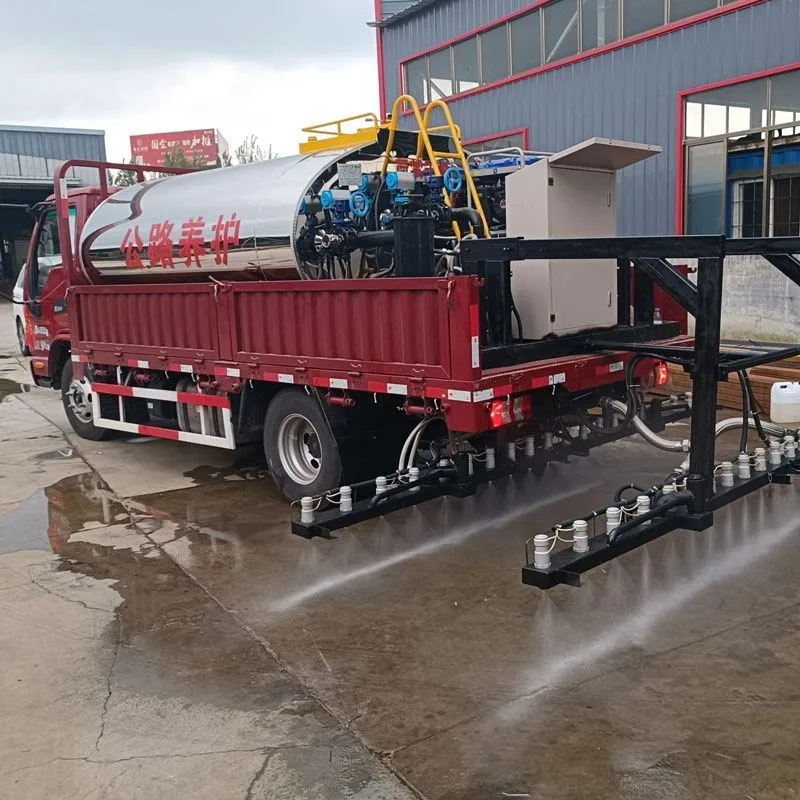
- Nozzle Type and Size: The type and size of the nozzles on the asphalt distributor can also affect the spraying thickness. Different nozzles have different spray patterns and flow rates, which can result in different thicknesses. You need to choose the right nozzles for the job and make sure they are properly maintained.
- Vehicle Speed: The speed at which the asphalt distributor is moving can also affect the spraying thickness. If the vehicle is moving too fast, the asphalt may not have enough time to spread evenly, resulting in a thinner layer. On the other hand, if the vehicle is moving too slow, the asphalt may build up in some areas, resulting in a thicker layer.
Tips for Ensuring Accurate Spraying Thickness
Now that you know the factors that can affect the spraying thickness, here are some tips to help you ensure accurate results:
- Calibrate Your Equipment: Before you start spraying, make sure your asphalt distributor is properly calibrated. This includes checking the spraying pressure, the flow rate, and the nozzle settings. Calibration ensures that the equipment is working correctly and that you are getting the desired spraying thickness.
- Test the Asphalt Temperature: Use a thermometer to check the temperature of the asphalt before and during spraying. Make sure the temperature is within the recommended range for the type of asphalt you are using. If the temperature is too high or too low, adjust the heating or cooling system of the asphalt distributor accordingly.
- Choose the Right Nozzles: Select the appropriate nozzles based on the type of asphalt, the spraying pattern, and the desired thickness. Make sure the nozzles are clean and in good condition. Replace any worn or damaged nozzles to ensure consistent spraying.
- Control the Vehicle Speed: Maintain a consistent vehicle speed during spraying. Avoid sudden stops or starts, as this can affect the spraying thickness. Use a speedometer or a GPS device to monitor the speed and make any necessary adjustments.
- Monitor the Spraying Process: Keep an eye on the spraying process to ensure that the asphalt is being applied evenly. Look for any signs of uneven spraying, such as streaks or puddles. If you notice any issues, stop the spraying immediately and make the necessary adjustments.
Our Asphalt Distributors
At our company, we offer a range of high-quality asphalt distributors that are designed to provide accurate and consistent spraying. Our Intelligent Asphalt Distributor Truck is equipped with advanced technology that allows for precise control of the spraying parameters. It also has a user-friendly interface that makes it easy to operate.
Our Intelligent Asphalt Distributor is another great option. It offers similar features to the truck but is more suitable for smaller projects or for use in areas where a truck may not be able to access.
If you're looking for a more basic option, our Standard Asphalt Distributor is a reliable choice. It's simple to operate and provides consistent spraying results.
All of our asphalt distributors are built to last and are backed by our excellent customer service. We also offer training and support to help you get the most out of your equipment.
Conclusion
Measuring the spraying thickness of asphalt by an asphalt distributor accurately is essential for ensuring the quality and durability of the asphalt surface. Whether you choose to use direct or indirect measurement methods, make sure you follow the proper procedures and take into account the factors that can affect the thickness.
By calibrating your equipment, testing the asphalt temperature, choosing the right nozzles, controlling the vehicle speed, and monitoring the spraying process, you can achieve accurate and consistent spraying results.
If you're in the market for an asphalt distributor or if you have any questions about measuring spraying thickness, don't hesitate to [contact us]([Contact URL]). We'd be happy to help you find the right solution for your needs.
References
- ASTM D2170 - Standard Test Method for Viscosity of Asphalts by Vacuum Capillary Viscometer
- ASTM D36 - Standard Specification for Penetration-Graded Asphalt Cement for Use in Paving
- FHWA - Federal Highway Administration - Asphalt Pavement Technology
- NAPA - National Asphalt Pavement Association - Asphalt Pavement Basics