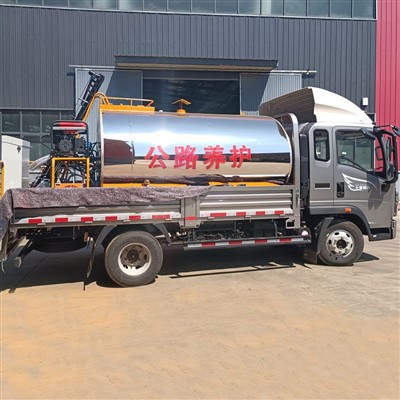
Hey there! As a supplier of Bitumen Emulsion Plants, I've seen firsthand the importance of safe operation. Running a bitumen emulsion plant isn't just about churning out product; it's about doing it in a way that keeps everyone safe and the environment in check. So, let's dive into how you can operate a Bitumen Emulsion Plant safely.
Pre - Operational Checks
Before you even think about firing up the plant, you gotta do some thorough pre - operational checks. First off, inspect all the equipment. Look at the storage tanks for any signs of leaks or corrosion. You don't want bitumen or any of the other chemicals used in the emulsion process seeping out. Check the pipes and valves too. Make sure they're in good condition and properly connected. A loose valve can lead to some serious mess and potential safety hazards.
Another crucial part is the electrical system. Faulty wiring can cause fires or electrical shocks. So, have a qualified electrician go over the entire electrical setup. Check for frayed wires, loose connections, and make sure all the grounding is done correctly.
Don't forget about the mixing equipment. The colloid mill, which is a key component in making bitumen emulsion, needs to be in top - notch condition. Inspect the blades for wear and tear. If they're too worn, they won't mix the bitumen and water properly, and it can also cause the mill to overheat.
Safety Training
You can have the best - maintained equipment in the world, but if your staff isn't trained properly, it's all for nothing. Safety training should be a top priority. All employees should be trained on how to operate the equipment safely. This includes understanding the controls, knowing the emergency stop buttons, and being aware of the correct operating procedures.
For example, when adding chemicals to the emulsion, there are specific ratios and sequences that need to be followed. Training should cover these details so that the employees don't make mistakes that could lead to chemical reactions or other dangerous situations.
Emergency response training is also essential. Your staff should know what to do in case of a fire, a chemical spill, or any other emergency. Conduct regular drills so that everyone is familiar with the evacuation routes and the use of fire extinguishers and other safety equipment.
Personal Protective Equipment (PPE)
PPE is non - negotiable in a bitumen emulsion plant. All employees should be provided with and required to wear the appropriate PPE at all times. This includes safety goggles to protect their eyes from splashes of bitumen or chemicals. Gloves are also a must, preferably made of a material that can resist the chemicals used in the process.
Respirators are important, especially when there are fumes. Bitumen can release fumes when heated, and these fumes can be harmful if inhaled. So, make sure your employees have the right type of respirators to filter out the harmful particles.
Safety boots are another essential piece of PPE. They protect the feet from spills and any heavy objects that might fall. And don't forget about hard hats. In an industrial setting like a bitumen emulsion plant, there's always a risk of something falling from above, so hard hats are a must.
Chemical Handling
Bitumen emulsion plants use a variety of chemicals, and handling them safely is crucial. First, store the chemicals in the right place. They should be stored in a well - ventilated area, away from heat sources and direct sunlight. Make sure the storage area is clearly labeled, so everyone knows what's in each container.
When transferring chemicals, use the proper equipment. For example, use a pump that's designed for the specific chemical you're transferring. Don't try to transfer chemicals by hand if it's not necessary, as this increases the risk of spills.


In case of a chemical spill, have a spill response plan in place. This should include the use of absorbent materials to soak up the spill, and procedures for safely disposing of the contaminated materials.
Maintenance and Monitoring
Regular maintenance is the key to keeping your bitumen emulsion plant running safely. Set up a maintenance schedule for all the equipment. This includes things like lubricating moving parts, checking the seals on tanks and pipes, and replacing worn - out components.
Monitoring is also important. Use sensors to keep an eye on things like temperature, pressure, and flow rates. If any of these parameters go out of the normal range, it could be a sign of a problem. For example, if the temperature in the mixing tank gets too high, it could cause the bitumen to break down or even start a fire.
Environmental Considerations
Operating a bitumen emulsion plant safely also means being mindful of the environment. Make sure you have proper waste management systems in place. The waste generated from the plant, such as used filters and leftover bitumen, should be disposed of in an environmentally friendly way.
Reduce emissions as much as possible. Use equipment that's designed to minimize fume emissions. You can also install air pollution control devices, such as scrubbers, to clean the air before it's released into the environment.
Conclusion
Operating a bitumen emulsion plant safely is a complex but achievable task. By doing pre - operational checks, providing proper safety training, ensuring the use of PPE, handling chemicals correctly, maintaining and monitoring the equipment, and being environmentally conscious, you can create a safe working environment.
If you're in the market for a Bitumen Emulsion Plant, we've got you covered. We offer a range of products including Emulsion Asphalt Plant, Emulsion Bitumen Equipment, and Modified Emulsified Asphalt Complete Equipment. If you're interested in learning more or making a purchase, feel free to reach out to us for a detailed discussion.
References
- ASTM International standards on bitumen and bitumen emulsion production.
- OSHA (Occupational Safety and Health Administration) guidelines for industrial safety in chemical plants.
- Industry best practices for bitumen emulsion plant operation from leading industry associations.