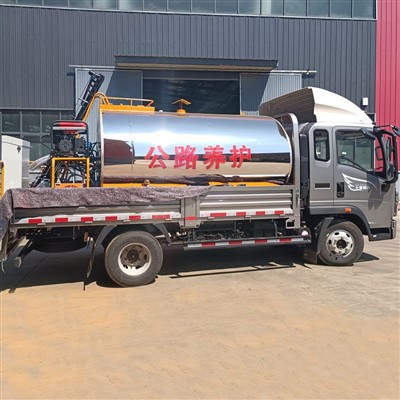
Hey there! I'm a supplier of Emulsion Asphalt Plant, and I know how important it is to operate these plants safely. Safety isn't just a buzzword; it's the foundation of a successful and efficient operation. In this blog, I'll share some key tips on how to ensure a safe working environment when running an emulsion asphalt plant.
Pre - operation Checks
Before firing up the Emulsion Asphalt Plant, a thorough pre - operation check is a must. First off, inspect all the equipment components. Look at the pumps, mixers, and storage tanks for any signs of wear and tear. Check the seals and gaskets to make sure there are no leaks. A small leak might seem insignificant at first, but it can lead to big problems down the road, like product contamination or even safety hazards.
Next, examine the electrical systems. Loose wires or faulty connections can cause short - circuits and potentially start a fire. Make sure all the switches are in good working condition and that the grounding is proper. It's also a good idea to test the emergency stop buttons to ensure they function correctly.
The plumbing and piping systems should also be inspected. Check for any blockages or corrosion. A blocked pipe can cause pressure build - up, which might lead to an explosion. And corrosion can weaken the pipes, increasing the risk of leaks.
Staff Training
One of the most crucial aspects of safe operation is well - trained staff. Everyone who works at the Emulsion Asphalt Plant should receive comprehensive training on how to use the equipment safely. This includes understanding the operating manuals, learning about the potential hazards, and knowing how to respond in case of an emergency.
Training should cover topics like proper handling of chemicals. Emulsion asphalt production involves the use of various chemicals, such as emulsifiers and additives. Workers need to know how to store, handle, and dispose of these chemicals safely. They should also be aware of the safety data sheets (SDS) for each chemical, which provide information on the hazards, first - aid measures, and proper handling procedures.
In addition to chemical handling, workers should be trained on how to operate the machinery safely. This includes learning how to start and stop the equipment, how to adjust the settings, and how to perform routine maintenance tasks. Regular refresher courses should be provided to keep the staff up - to - date with the latest safety procedures.
Personal Protective Equipment (PPE)
Wearing the right PPE is non - negotiable when working at an Emulsion Asphalt Plant. Workers should always wear safety glasses to protect their eyes from splashes and flying debris. Gloves are also essential, especially when handling chemicals or hot equipment. They can prevent skin burns and chemical exposure.
A hard hat should be worn at all times to protect the head from falling objects. Steel - toe boots are necessary to safeguard the feet from heavy objects or sharp tools. And in some cases, workers may need to wear respirators to protect their lungs from fumes and dust.
It's the responsibility of the management to provide the appropriate PPE and ensure that workers wear it correctly. Regular inspections should be carried out to make sure that the PPE is in good condition and being used as intended.
Hazardous Area Management
The Emulsion Asphalt Plant has different hazardous areas that need to be managed properly. The mixing area, for example, is where the asphalt and emulsifiers are combined. This area can be dangerous due to the high - speed mixers and the heat generated. Signs should be posted to indicate the restricted access to this area, and only authorized personnel should be allowed in.
The storage area for chemicals and raw materials is another hazardous area. These substances need to be stored in a well - ventilated and secure place. Flammable materials should be stored away from heat sources and ignition points. And the storage area should be equipped with fire - fighting equipment, such as fire extinguishers and sprinkler systems.
The loading and unloading area also requires special attention. When trucks are loading or unloading emulsion asphalt, there is a risk of spills and leaks. Workers should follow strict procedures to prevent these incidents. For example, they should use proper hoses and connectors, and they should monitor the loading and unloading process closely.
Emergency Preparedness
No matter how careful you are, emergencies can still happen. That's why it's essential to have an emergency preparedness plan in place. The plan should include procedures for dealing with fires, chemical spills, and other emergencies.
A fire safety plan is crucial. The Emulsion Asphalt Plant should be equipped with fire alarms and fire - fighting equipment. Workers should know how to use the fire extinguishers and where the emergency exits are located. Regular fire drills should be conducted to ensure that everyone knows what to do in case of a fire.
In case of a chemical spill, there should be a spill response plan. This plan should include procedures for containing the spill, cleaning it up, and notifying the appropriate authorities. Workers should be trained on how to respond to different types of chemical spills, depending on the nature of the chemicals involved.
There should also be a first - aid plan. The plant should have a well - stocked first - aid kit, and some workers should be trained in first - aid procedures. In case of an injury, immediate first - aid can make a big difference in the outcome.


Regular Maintenance
Regular maintenance is the key to keeping the Emulsion Asphalt Plant running safely. All the equipment should be maintained according to the manufacturer's recommendations. This includes regular cleaning, lubrication, and replacement of worn - out parts.
A maintenance schedule should be established and followed strictly. For example, the pumps should be serviced every few months to ensure they are working efficiently. The mixers should be inspected regularly for any signs of damage or misalignment. And the storage tanks should be cleaned and inspected for corrosion on a regular basis.
By performing regular maintenance, you can prevent breakdowns and reduce the risk of accidents. It also helps to extend the lifespan of the equipment, which can save you money in the long run.
Monitoring and Documentation
Monitoring the operation of the Emulsion Asphalt Plant is important for safety. There should be systems in place to monitor parameters such as temperature, pressure, and flow rate. Any abnormal readings should be investigated immediately.
Documentation is also crucial. All maintenance activities, inspections, and incidents should be documented. This helps to keep track of the plant's history and can be useful for future reference. It also provides evidence of compliance with safety regulations.
Conclusion
Operating an Emulsion Asphalt Plant safely requires a combination of pre - operation checks, staff training, proper use of PPE, hazardous area management, emergency preparedness, regular maintenance, and monitoring and documentation. By following these tips, you can create a safe working environment and ensure the smooth operation of your plant.
If you're in the market for an Emulsion Asphalt Plant or Emulsion Bitumen Equipment or Bitumen Emulsion Plant, we're here to help. We offer high - quality products and can provide you with all the support you need for safe and efficient operation. Don't hesitate to contact us for more information and to start a procurement discussion.
References
- Industry safety guidelines for asphalt plants
- Manufacturer's manuals for emulsion asphalt plant equipment
- Safety data sheets for chemicals used in emulsion asphalt production