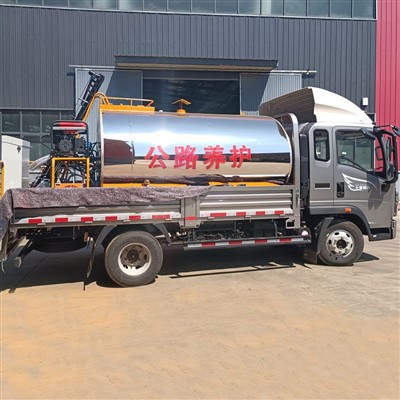
As a supplier of asphalt distributors, I've witnessed firsthand the critical role that proper spraying parameters play in achieving optimal road construction and maintenance results. Different road conditions demand tailored approaches to ensure the efficient and effective application of asphalt. In this blog, I'll share insights on how to optimize the spraying parameters of an asphalt distributor for various road scenarios.
Understanding the Basics of Asphalt Distribution
Before delving into parameter optimization, it's essential to grasp the fundamental components of an asphalt distributor. Our Standard Asphalt Distributor is a reliable workhorse in the industry, designed to evenly distribute asphalt across the road surface. It consists of a tank to store the asphalt, a spraying system to apply it, and controls to adjust the flow rate and other parameters.
The Asphalt Distributor Tank is a crucial part of the system, as it holds the asphalt at the right temperature and pressure. Maintaining the correct temperature is vital, as it affects the viscosity of the asphalt, which in turn influences its spraying characteristics.
Factors Affecting Spraying Parameters
Several factors come into play when determining the optimal spraying parameters for an asphalt distributor. These include the type of road surface, the climate, the traffic volume, and the type of asphalt being used.
Road Surface Type
Different road surfaces have varying textures and porosities, which can affect how the asphalt adheres to them. For example, a smooth, newly constructed concrete road may require a different spraying pattern and flow rate compared to an old, rough asphalt road. On a smooth surface, a finer spray pattern with a lower flow rate may be sufficient to achieve good coverage, while a rough surface may need a coarser spray and a higher flow rate to penetrate the pores and ensure proper adhesion.
Climate
The climate also plays a significant role in asphalt distribution. In hot weather, the asphalt may have a lower viscosity, making it easier to spray but also more likely to run off the road surface. In cold weather, the asphalt may become too thick, making it difficult to pump and spray evenly. Adjusting the spraying temperature and flow rate according to the ambient temperature is crucial to ensure consistent results.
Traffic Volume
The amount of traffic on the road can impact the durability of the asphalt surface. High-traffic roads require a more robust asphalt application to withstand the wear and tear of vehicles. This may involve using a higher-quality asphalt and adjusting the spraying parameters to ensure a thicker and more uniform layer. On low-traffic roads, a thinner layer of asphalt may be sufficient, allowing for cost savings without sacrificing performance.
Type of Asphalt
There are different types of asphalt available, each with its own properties and characteristics. Some asphalt types are designed for specific applications, such as waterproofing or anti-skid surfaces. Understanding the properties of the asphalt being used and adjusting the spraying parameters accordingly is essential to achieve the desired results.
Optimizing Spraying Parameters for Different Road Conditions
Now that we've discussed the factors affecting spraying parameters, let's explore how to optimize them for different road conditions.
Newly Constructed Roads
When working on newly constructed roads, the goal is to create a smooth and durable asphalt surface that will provide long-term performance. For a newly constructed concrete road, a pre-treatment with a tack coat may be necessary to improve the adhesion of the asphalt. The spraying parameters for the tack coat should be carefully adjusted to ensure a thin, even layer that will bond the asphalt to the concrete.
Once the tack coat has dried, the main asphalt layer can be applied. A medium to high flow rate with a fine spray pattern is typically recommended for newly constructed roads to achieve good coverage and a smooth finish. The temperature of the asphalt should be maintained within the recommended range to ensure proper viscosity and workability.
Old or Damaged Roads
Old or damaged roads often require more extensive asphalt repair and resurfacing. Before applying the new asphalt, it's important to assess the condition of the existing road surface and address any underlying issues, such as cracks or potholes. This may involve filling the cracks with a suitable sealant and leveling the surface to ensure a uniform base for the new asphalt.
For old or damaged roads, a higher flow rate and a coarser spray pattern may be needed to penetrate the rough surface and fill in any gaps or voids. The temperature of the asphalt may also need to be slightly higher to ensure proper adhesion and flexibility. In some cases, multiple layers of asphalt may be required to achieve the desired thickness and durability.
Rural Roads
Rural roads typically have lower traffic volumes compared to urban roads, but they may still be subject to harsh environmental conditions, such as extreme temperatures and heavy rainfall. When working on rural roads, it's important to consider the long-term durability of the asphalt surface.
A medium flow rate with a medium spray pattern is usually sufficient for rural roads. The asphalt should be applied at a temperature that allows for good adhesion and flexibility, taking into account the local climate. Additionally, using a high-quality asphalt with good resistance to weathering and aging can help extend the lifespan of the road surface.


Urban Roads
Urban roads are often subject to heavy traffic, frequent stops and starts, and a variety of environmental factors. To ensure the durability and safety of urban road surfaces, a more precise and controlled asphalt application is required.
A high flow rate with a fine spray pattern is typically recommended for urban roads to achieve a smooth, even surface that can withstand the heavy traffic. The temperature of the asphalt should be carefully monitored and adjusted to ensure proper viscosity and workability. In addition, using an Intelligent Asphalt Distributor Truck can provide greater control over the spraying process, allowing for real-time adjustments based on the road conditions and traffic flow.
Tips for Optimizing Spraying Parameters
Here are some additional tips to help you optimize the spraying parameters of an asphalt distributor for different road conditions:
- Conduct a Site Survey: Before starting any asphalt distribution project, conduct a thorough site survey to assess the road surface, climate, traffic volume, and other relevant factors. This will help you determine the most appropriate spraying parameters for the job.
- Test the Asphalt: Perform a small test spray on a representative section of the road to evaluate the adhesion, coverage, and overall performance of the asphalt. Adjust the spraying parameters as needed based on the test results.
- Maintain the Equipment: Regularly maintain and service your asphalt distributor to ensure it is in good working condition. This includes checking the spraying nozzles, pumps, and hoses for any blockages or leaks, and calibrating the controls to ensure accurate spraying.
- Train Your Operators: Provide comprehensive training to your operators on how to operate the asphalt distributor and adjust the spraying parameters. Make sure they understand the importance of following the recommended procedures and safety guidelines.
- Monitor the Results: Continuously monitor the results of the asphalt distribution process to ensure that the desired quality and performance are being achieved. Make any necessary adjustments to the spraying parameters in real-time to address any issues that may arise.
Conclusion
Optimizing the spraying parameters of an asphalt distributor for different road conditions is a complex but essential task that requires careful consideration of multiple factors. By understanding the factors affecting spraying parameters, adjusting them according to the specific road conditions, and following best practices, you can achieve efficient and effective asphalt distribution that results in high-quality road surfaces.
If you're in the market for an asphalt distributor or need further assistance with optimizing your spraying parameters, we're here to help. Our team of experts has extensive experience in the asphalt distribution industry and can provide you with the guidance and support you need to make informed decisions. Contact us today to discuss your requirements and explore how our products and services can meet your needs.
References
- Smith, J. (2020). Asphalt Paving Handbook. McGraw-Hill.
- Jones, R. (2019). Road Construction and Maintenance. Wiley.
- American Association of State Highway and Transportation Officials (AASHTO). (2021). Standard Specifications for Transportation Materials and Methods of Sampling and Testing.