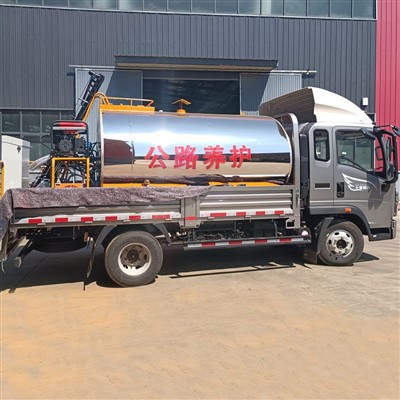
Hey there! I'm a supplier of Asphalt Distributor Tanks, and today I wanna share some tips on how to repair a damaged Asphalt Distributor Tank. Whether you're a contractor, a maintenance guy, or just someone interested in asphalt equipment, this post is for you.
First off, let's understand what an Asphalt Distributor Tank is. It's a crucial part of asphalt distribution equipment, used to store and transport hot asphalt. Over time, these tanks can get damaged due to various reasons like corrosion, physical impact, or wear and tear.
Identifying the Damage
The first step in repairing a damaged Asphalt Distributor Tank is to figure out what's wrong. You gotta do a thorough inspection. Look for signs of corrosion, which usually shows up as rust spots or flaky areas on the tank's surface. Physical damage might be obvious, like dents or holes. Sometimes, you might notice leaks around the seams or valves.
If you see corrosion, it could be because of the asphalt's chemical properties, or maybe the tank wasn't properly coated. Physical damage often happens during transportation or when the tank is being loaded or unloaded. Leaks can be caused by loose connections or worn - out gaskets.
Safety First
Before you start any repair work, safety is key. Asphalt is hot and can cause serious burns. Make sure the tank is cooled down completely before you touch it. Wear protective gear like heat - resistant gloves, goggles, and a respirator if there are any fumes. Also, make sure the area is well - ventilated.
Repairing Corrosion
If you've found corrosion on the tank, you need to get rid of it first. Start by using a wire brush or a sandblaster to remove the rust. Be careful not to damage the tank's surface too much. Once the rust is gone, clean the area with a degreaser to remove any dirt or oil.
After cleaning, you'll need to apply a corrosion - resistant coating. There are different types of coatings available in the market. Some are epoxy - based, while others are made of special polymers. Choose a coating that's suitable for the type of asphalt you're using and the environmental conditions. Apply the coating evenly using a brush or a spray gun, following the manufacturer's instructions.
Fixing Physical Damage
For dents, if they're not too severe, you might be able to use a hydraulic press or a hammer and dolly to reshape the tank. But be careful not to over - stretch the metal. If there are holes in the tank, you'll need to weld them.
Welding requires some skill. First, clean the edges of the hole to remove any rust or debris. Then, use a welding machine that's appropriate for the type of metal the tank is made of. Make sure the weld is strong and there are no gaps. After welding, grind the welded area smooth to prevent any sharp edges.
Sealing Leaks
Leaks around the seams or valves are common. If it's a leak around a valve, you might just need to tighten the connections. Check the gaskets; if they're worn out, replace them. You can buy new gaskets at most hardware stores or from the equipment manufacturer.
For leaks in the seams, you can use a sealant. There are special asphalt - compatible sealants available. Apply the sealant along the leaky seam, making sure it fills all the gaps. Let it dry according to the manufacturer's instructions.
Regular Maintenance
Once you've repaired the tank, it's important to do regular maintenance to prevent future damage. Check the tank for signs of corrosion or wear every few months. Keep the tank clean, and make sure it's properly coated.
Also, if you're using a Standard Asphalt Distributor or an Intelligent Asphalt Distributor Truck, follow the maintenance schedule provided by the manufacturer. This includes things like changing filters, checking the heating system, and lubricating moving parts.
Why Choose Our Asphalt Distributor Tanks
As a supplier, I can tell you that our Asphalt Distributor Tanks are top - notch. We use high - quality materials and advanced manufacturing techniques to ensure durability and performance. Our tanks are designed to withstand the harsh conditions of asphalt distribution.


If you're in the market for a new Asphalt Distributor Tank or need replacement parts for your existing one, we've got you covered. We offer a wide range of products to suit different needs and budgets. And if you have any questions about repair or maintenance, our team of experts is always ready to help.
Contact Us for Purchase and Consultation
If you're interested in our Asphalt Distributor Tanks or have any questions about the repair process, don't hesitate to reach out. We're here to make your asphalt distribution work easier and more efficient. Whether you're a small - scale contractor or a large construction company, we can provide the right solutions for you.
References
- "Asphalt Paving Handbook" - National Asphalt Pavement Association
- "Maintenance Guide for Asphalt Equipment" - Industry - specific publication
- Manufacturer's manuals for Asphalt Distributor Tanks, Standard Asphalt Distributors, and Intelligent Asphalt Distributor Trucks.